Carlos Alcaraz walked back into the New York glare looking like a question mark. Four months without a competitive singles match, a wrist that had ripped away his clay and grass seasons, doubts about whether he would even make it to Flushing Meadows.
By the end of the night, the only thing left in doubt was how far he can go here again.
Alcaraz returns – and reminds New York who he is
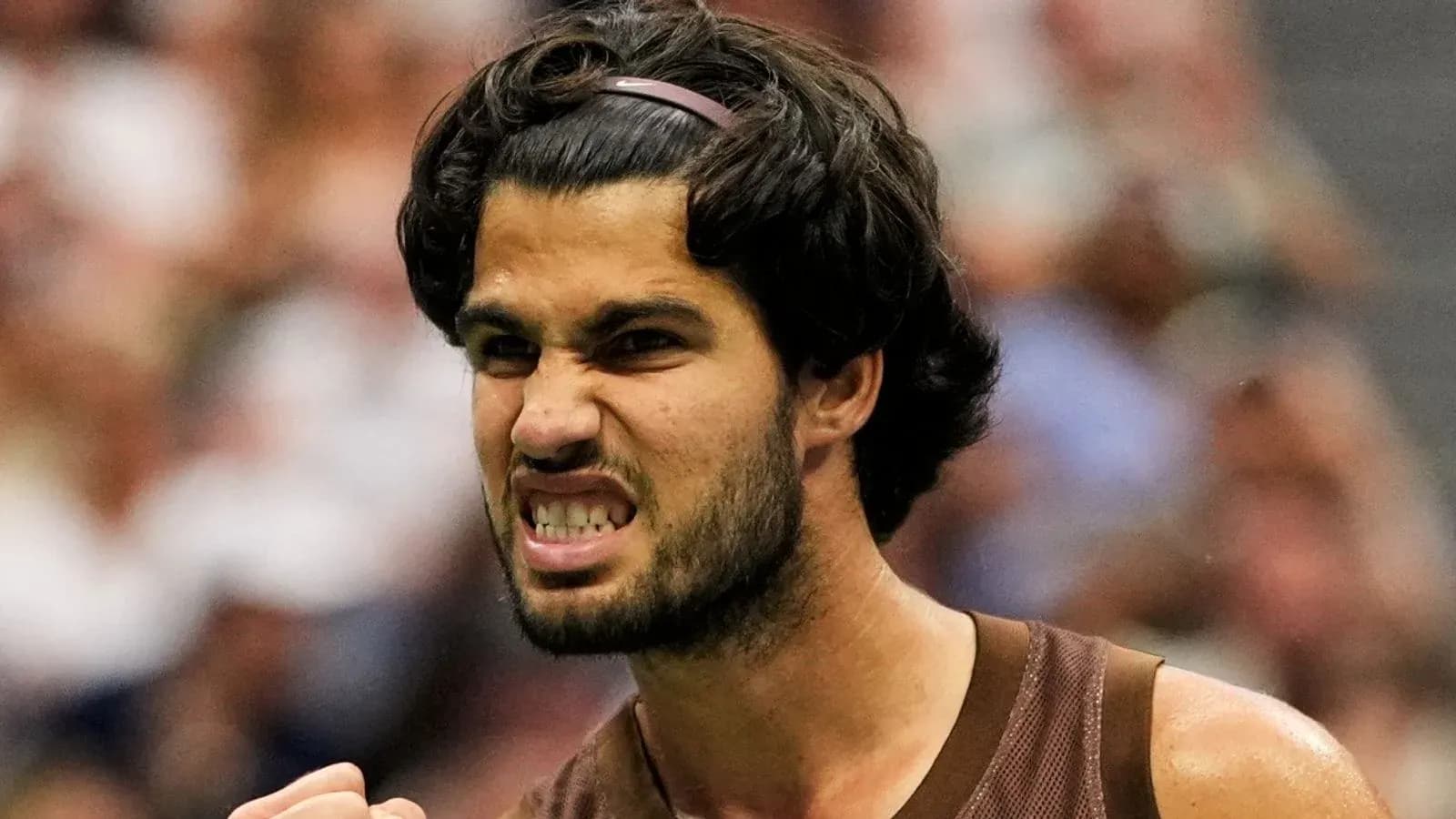
Under the lights, in a Travis Scott–inspired brown kit that made him stand out even more than usual, Alcaraz eased past Roman Safiullin 6-4 6-4 6-4. No drama on the scoreboard. Plenty in the backstory.
This was his first singles match since April, when a wrist injury forced him out of Barcelona and then ruled him out of Roland Garros and Wimbledon. The joint didn’t need surgery, but it stole his rhythm and his calendar, and it left a big, ugly question hanging over his US Open defence.
He admitted those doubts were real.
He wondered if his body would hold up over best-of-five, if the wrist would bark back under the strain of full-tilt forehands and heavy serves. So he did what champions tend to do: he parked the fear and played.
The early games were a stress test. Safiullin carved out two break points in Alcaraz’s first three service games, probing the movement, the timing, the confidence. Each time, Alcaraz found enough – a first serve, a bold strike – to slam the door.
The pressure finally told in the eighth game. Alcaraz tightened his patterns, stepped in on the return and broke. One clean strike of authority, and the set was his.
The second set threatened to twist. Alcaraz dropped serve at the start, the kind of lapse that can open the door for a dangerous opponent with nothing to lose. He kicked it shut immediately with an instant break back, then raised the tempo, again pouncing in the eighth game. Another break, another set, the kind of ruthless timing that wins majors.
By the third, the match had settled into his hands. An early break gave him daylight; his serve, once under interrogation, now looked secure. Safiullin never got close again as Alcaraz moved freely, hit through the court and closed out a straight-sets win that felt like a statement as much as a scoreline.
He will face Portugal’s Jaime Faria next. On this evidence, the defending champion is very much in the draw – and very much in the conversation.
One potential landmine in his half is already gone. Arthur Fils, fresh from lifting the Cincinnati Open title and considered a serious threat, fell in four sets to Stefanos Tsitsipas, 4-6 7-6 (7-3) 6-1 6-4. One contender removed. One defending champion reinstalled.
Sabalenka starts her three-peat chase with bite
On the women’s side, Aryna Sabalenka opened her own title defence with a clean, if occasionally turbulent, 6-2 6-4 win over Camila Osorio.
The stakes for her are historic. No woman has won three straight US Open titles since Serena Williams in 2014. Sabalenka is trying to drag her name into that kind of company, all while her grip on the world No 1 ranking comes under real pressure.
Osorio made sure this was no gentle warm-up. Sabalenka ripped through the first set, but the Colombian pushed hard in the second, testing the Belarusian’s movement and resolve, forcing her to hit her way out of trouble. Sabalenka did exactly that, leaning on the raw, blunt-force power that has already delivered four Grand Slam titles on hard courts.
Her recent form has invited questions. Three straight last-16 exits – at Wimbledon, the Canadian Open and Cincinnati – have opened the door for Elena Rybakina, Coco Gauff and Jessica Pegula to eye up the top ranking. Lose early here, and Sabalenka’s long reign as No 1, stretching back to October 2024, could end.
Yet New York hard courts suit her game more than any other surface. When her serve lands and the forehand rips, she looks built for this tournament. Against Osorio, under pressure, that version of Sabalenka reappeared just when she needed it.
Karolina Muchova, last year’s Wimbledon runner-up, also made a sharp start, dismantling Austria’s Sinja Karus 6-3 6-0. Last year’s US Open runner-up Amanda Anisimova joined her in the second round with a confident 6-1 6-3 win over fellow American Ashlyn Krueger.
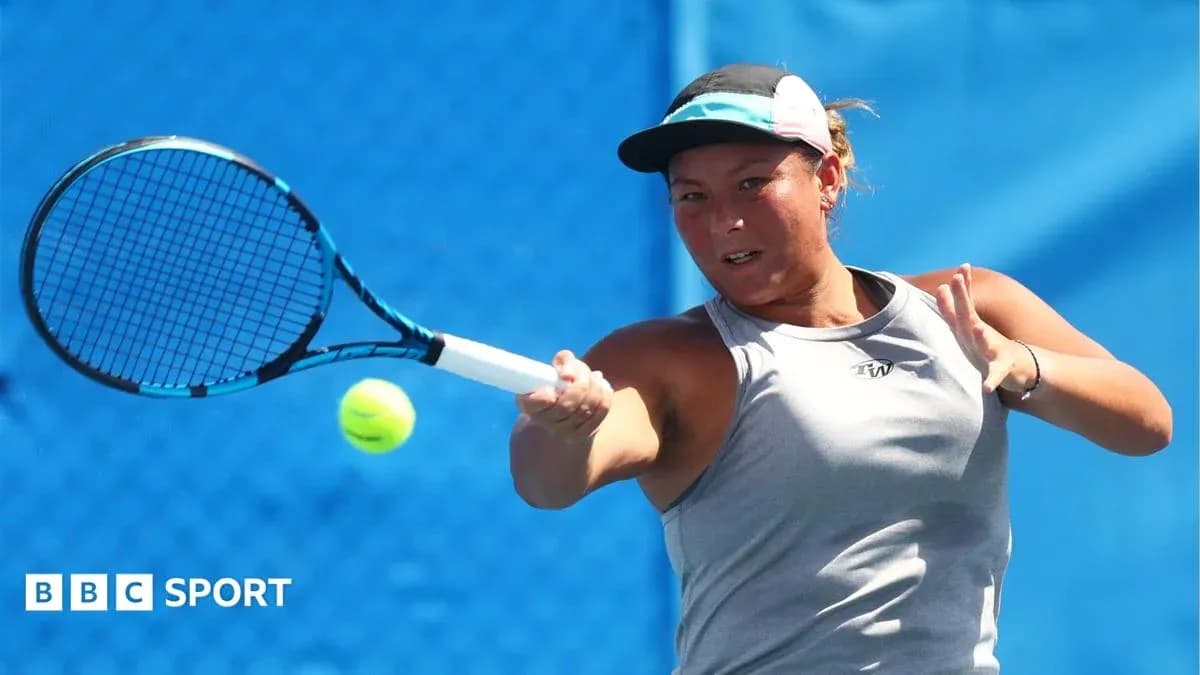
There was more home success as Emma Navarro, Taylor Townsend and Cate McNally all moved through, feeding the local optimism in a draw that still feels wide open behind the big names.
British grit on show: Dart and Fearnley dig in
For the British contingent, the day turned into a showcase of stubbornness.
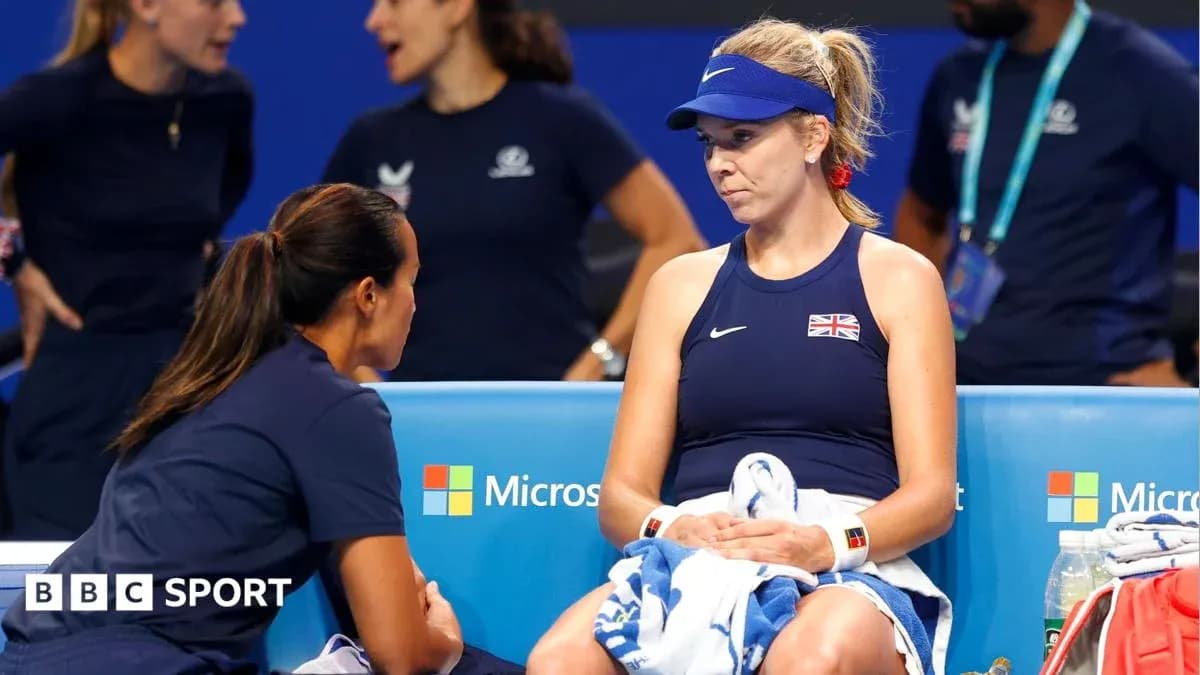
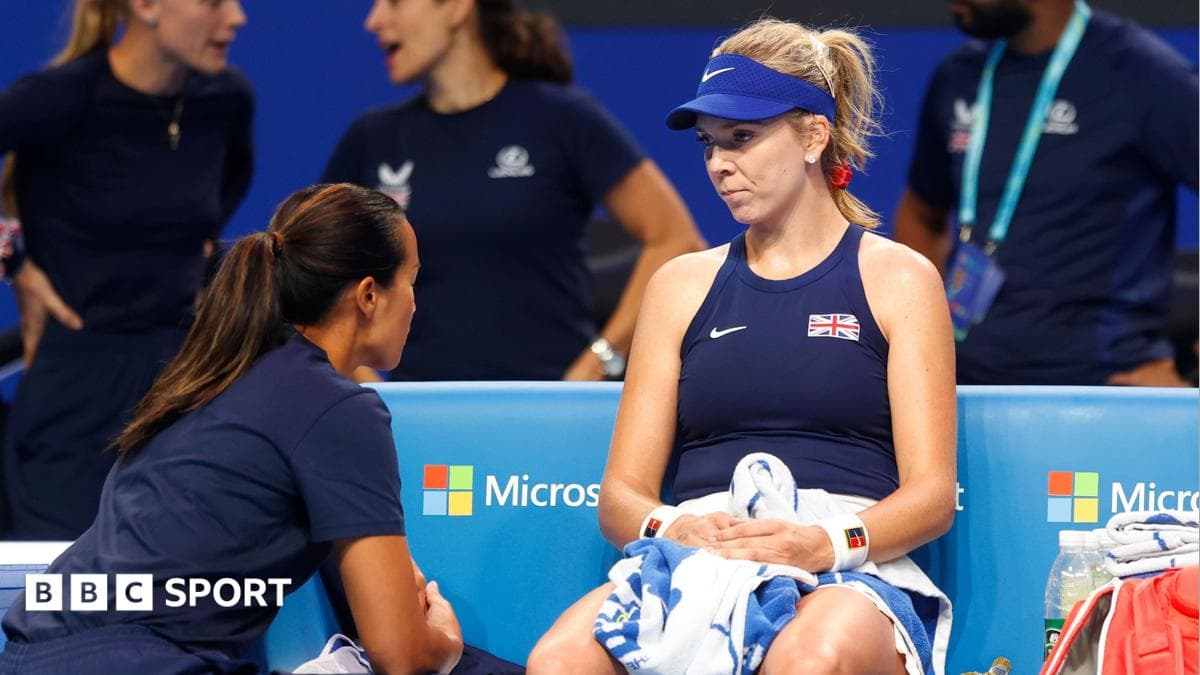
Harriet Dart looked finished. A set and a break down to American Peyton Stearns, she teetered on the edge of a first-round exit. Then she flipped the script.
Dart clawed her way back into the match, tightened up her baseline game and began to outlast Stearns in the rallies. The turnaround was emphatic: 3-6 6-3 6-2. Her coach, Marion Bartoli, now working as a Sky Sports Tennis pundit, hailed the mental effort, and it was hard to argue. Matches like that are won between the ears as much as between the lines.
Jacob Fearnley went even deeper into the fire.
The Briton trailed Spain’s Martin Landaluce in a seesaw contest, eventually finding himself in a hole with Landaluce serving for the match in the fourth set. Fearnley refused to go quietly. He strung together three games in a row to steal the set 7-5, then rode that surge through a decisive fifth, closing out a 4-6 6-2 4-6 7-5 6-3 victory.
It wasn’t smooth. He even fluffed a routine smash on match point, the kind of miss that can haunt a player. Instead of crumbling, he reset, held his nerve and finished the job to reach the second round at Flushing Meadows for the second straight year.
That he is here at all feels like a bonus. Fearnley actually lost in qualifying last week and only made the main draw as a Lucky Loser. He treated it as found money, playing, in his own words, on “house money” and swinging freely with nothing to protect.
Now he stands on the brink of a return to the world’s top 100, armed with a five-set win and the sense that this second chance might be the start of something more.
On a day when a defending champion walked back into the spotlight, a No 1 steadied her grip, and two underdogs refused to bow, the US Open felt like itself again: unforgiving, unpredictable, and already demanding answers to the same old question.
Who’s really ready to go the distance in New York?