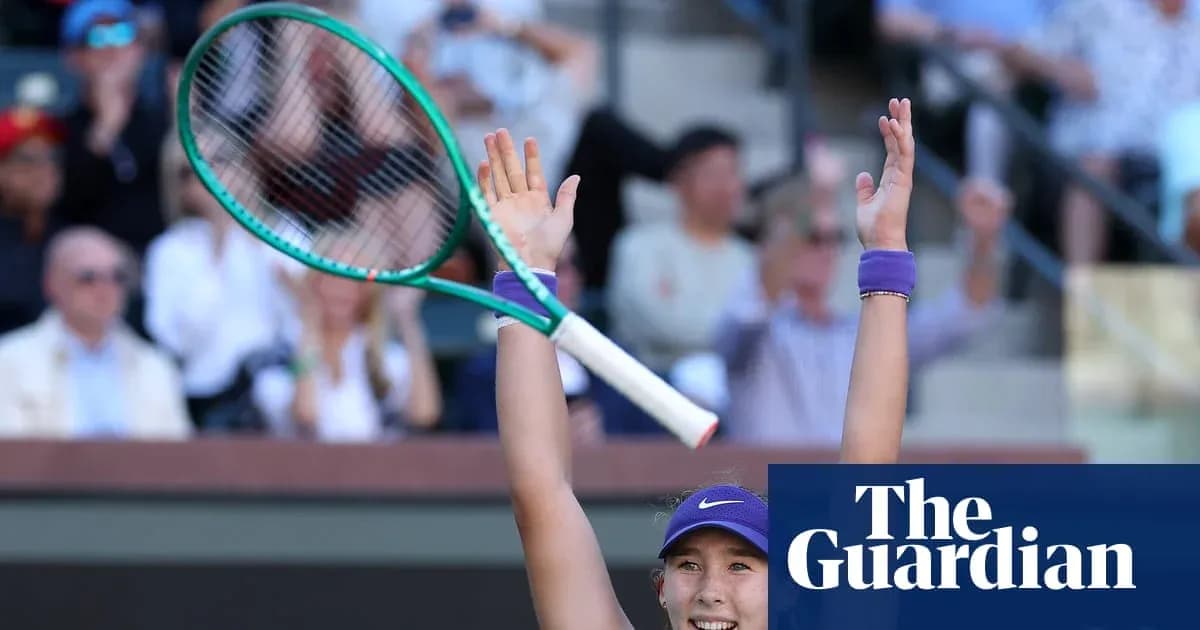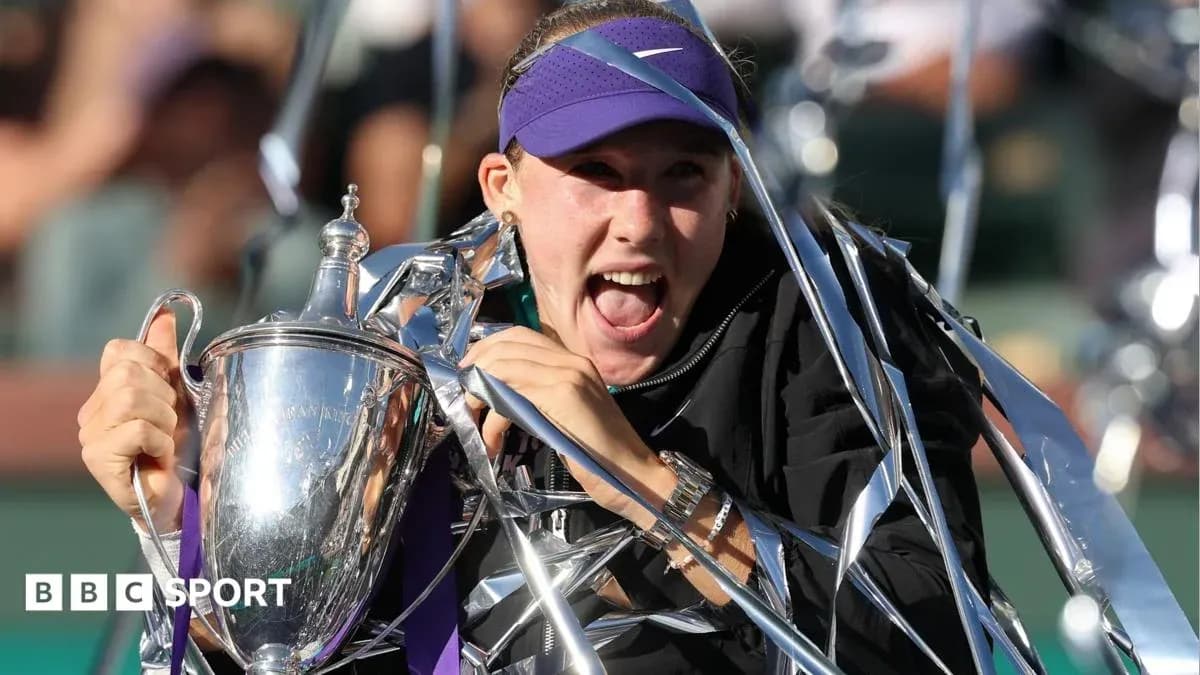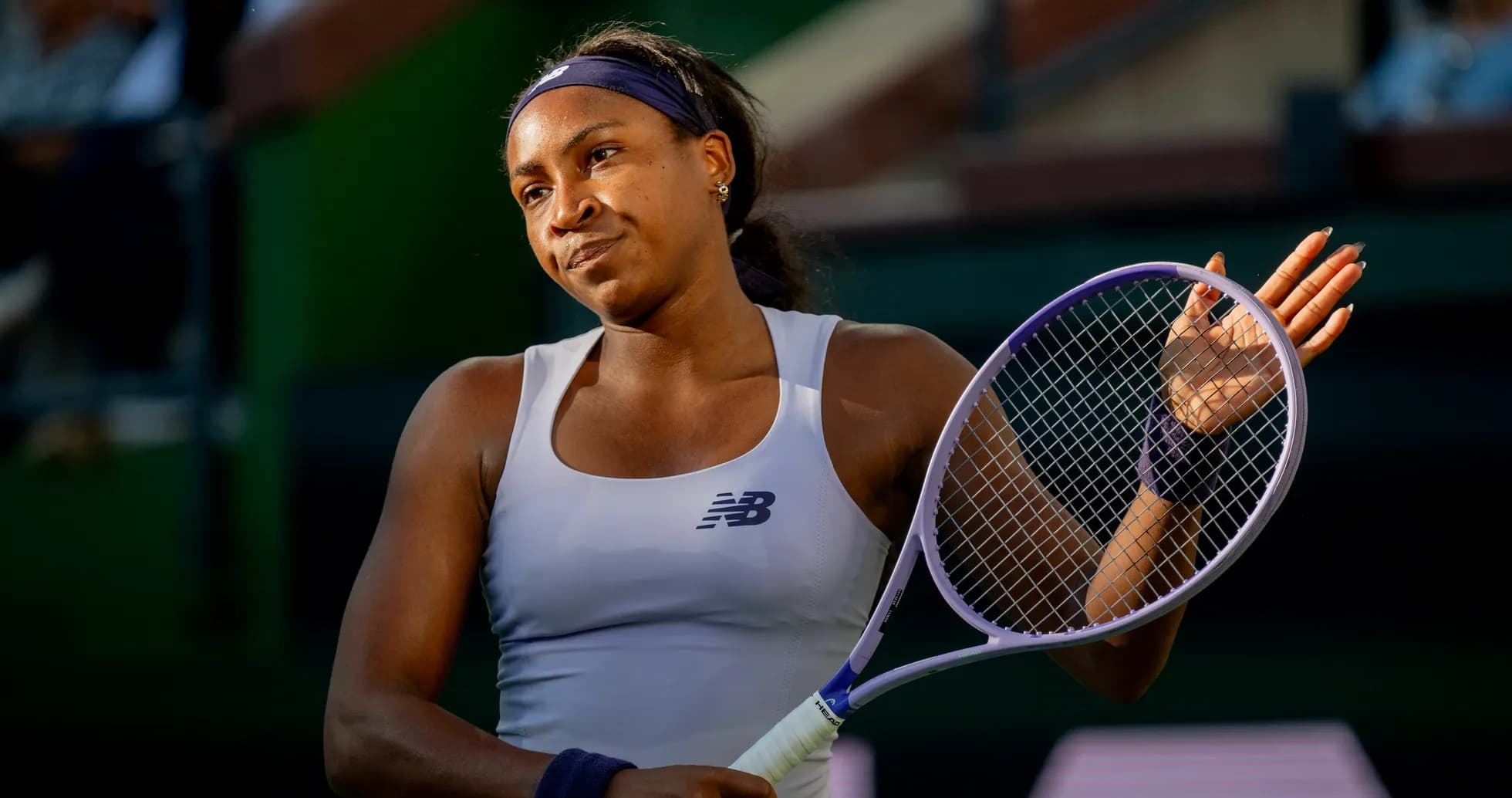
Coco Gauff walked off tour in 2026 with a record that would define most careers and still called it “more to be desired.” That says plenty about where she is. It says even more about where she intends to go.
Across the season, Gauff stacked a 49-15 record, reached her fifth straight WTA Finals, and added seven more top-10 victories to her résumé, pushing her career total in that category to 40. She made the quarterfinals or better at three of the four Grand Slams. For a 22-year-old, that’s not a platform. It’s a launchpad.
And yet, no major trophy. Not this year.
“Anytime I don’t have a Slam in the season, it’s always going to be more to be desired,” she admitted. The bar, clearly, has moved.
Cracking the Grass-Court Code
For years, grass was the surface that checked her ambition. Wimbledon, the stage where she first burst into global view, had stubbornly refused to let her go deep. Three times she stalled in the Round of 16 at the All England Club. The promise was there, the breakthrough wasn’t.
That changed in 2026.
Gauff tore through the draw to reach the semifinals at Wimbledon, transforming what had been her weakest terrain into a proving ground. She was one drop shot away from the final, a single touch of the racket that could have rewritten her summer and perhaps the narrative of her season.
“I definitely think I made pushes in areas and improvements, particularly in the grass court area,” she said. “That was part of my game I wanted to improve, and I improved that.”
It wasn’t just a surface solved. It was a psychological hurdle cleared. The player who once had to explain away grass is now a genuine threat on it.
Fixing the Fault Line: The Serve
Gauff’s game has never lacked athleticism, fight, or imagination. What it did lack, at times, was a reliable serve under pressure. Opponents knew it. She knew it.
So she attacked the problem.
Ahead of the 2025 US Open, Gauff brought biomechanics specialist Gavin MacMillan into her team, a move aimed not at a quick fix but at long-term sustainability. This wasn’t cosmetic tinkering. It was a structural rebuild of the stroke that starts every point she plays.
By the time the tour hit Cincinnati in 2026, she could feel the difference in real time.
She described the change as “night and day” compared to the previous year, a stark contrast that showed up not just in cleaner mechanics but in how she handled the heat of big moments.
“At the end of the day, you can do everything right in practice, but it's in the replicating the pressure moments that you only get on the match court to make it better,” she said in August. “I think I had some tough moments with it, but I feel like it's getting in the right direction and definitely becoming really close to the place I want it to be.”
The serve is no longer a liability that opponents can circle in red. It’s evolving into a weapon that could tilt entire tournaments.
Consistency With an Edge
The numbers back up the eye test. Five straight WTA Finals appearances speak to a player who doesn’t just flash brilliance; she sustains it. A 49-15 record, seven top-10 wins in a single season, deep runs at three majors—this is the profile of a permanent contender, not a streak player.
And yet, her own words keep circling back to what’s missing: that next Slam.
There’s a tension there, but it’s a productive one. She has turned a “good” season into something that feels incomplete, not because the results weren’t impressive, but because her expectations have outgrown them.
A New Year, a Familiar Flag
There won’t be much time to linger on what might have been. Gauff will open her 2027 campaign at the United Cup, once again representing the United States on the WTA Tour. The USA has been drawn into Group A and will compete in Perth, a team setting that tends to sharpen her competitive instincts.
New season. New surfaces. Same question.
With the grass conquered, the serve rebuilt, and a year of near-misses burning in the background, how long can the majors hold out?