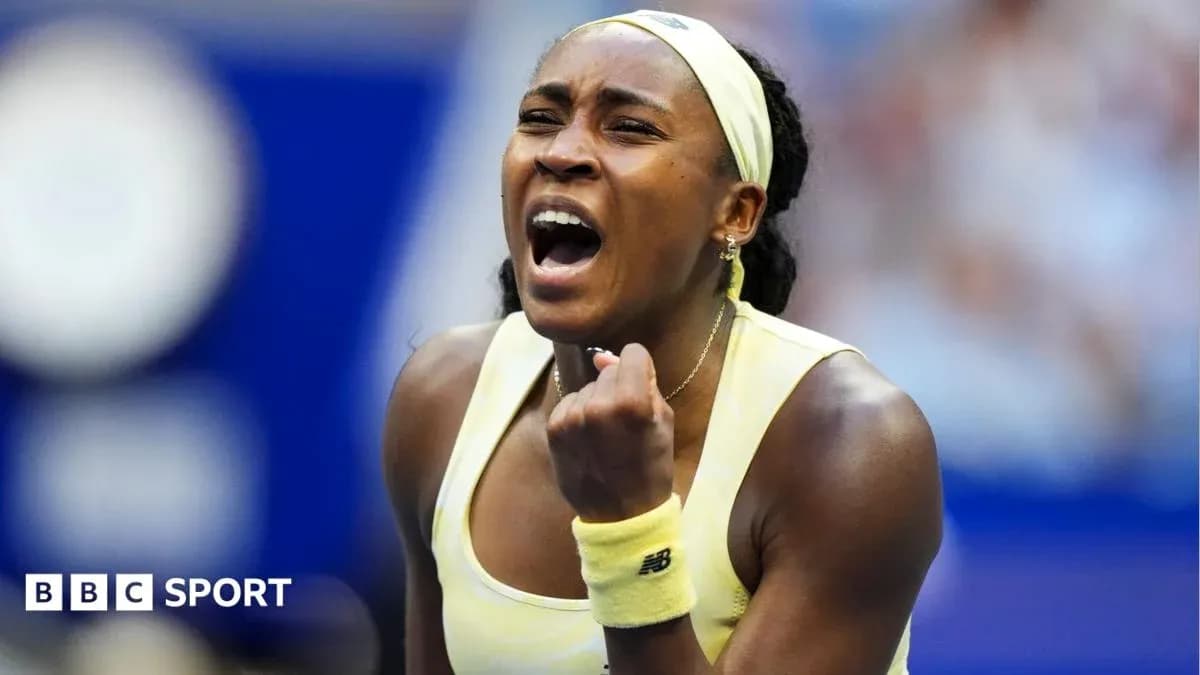
Coco Gauff walked off Arthur Ashe Stadium with the look of a woman who has been here before and intends to stay a while.
The defending US Open champion is into the second week in New York for the fifth straight year, grinding past Spain’s Cristina Bucsa 6-3 6-4 to keep alive her bid for a second title at her home major. It was not flawless. It did not need to be. It was controlled, composed and, when it mattered, ruthless.
Gauff leans into the weight of expectation
Gauff, now 22 and no longer the teenage phenomenon but the standard-bearer of American tennis, arrived at this tournament as the form player in the women’s game. Her straight-sets win over Bucsa stretched her run to eight consecutive WTA Tour-level victories without dropping a set, a sequence that includes her 2025 French Open title.
The match began with a reminder that this is still a young player carrying a nation. Bucsa jumped out to a 3-1 lead, testing Gauff’s patience and depth off the ground. The crowd shifted in their seats. Gauff shifted gears.
From there, she reeled off five of the next six games to take the opening set, tightening her patterns, stepping in on the forehand and using her serve to dictate. The pressure that suffocated her here 12 months ago felt, on this occasion, like something she could bend to her will.
“I feel like I'm used to getting to the second week now. I woke up today and I was like ‘oh we're already in round three’,” she said afterwards, sounding almost amused by the rhythm of Grand Slam life. The expectations, she admitted, remain heavy. “There's expectations, being American, and I want to do well in front of the fans. Last year, I put so much pressure on myself. I'm enjoying the experience out here.”
The second set offered another test. Broken to love, Gauff immediately broke back, a sharp, almost instinctive response that underlined the difference between last year’s tension and this year’s authority. This is the stage where her last two US Open campaigns have ended, both times in the fourth round. The way she absorbed those momentum swings against Bucsa suggested she is better equipped now to push beyond that familiar barrier.
A brutal collapse for Keys
While Gauff moved forward, Madison Keys was left staring at one of the most painful defeats of her career.
The 2017 US Open finalist looked certain to reach the fourth round at Flushing Meadows for the first time since 2023 when she surged to a 5-0 lead in the deciding set against Olympic champion Zheng Qinwen. She held a match point. The stadium braced for the handshake.
Then everything fell apart.
Zheng, the 2025 Australian Open winner, refused to go away. Keys tightened. The lead shrank. The noise grew. What had been a procession turned into a free fall as Zheng rattled off seven straight games to complete a 1-6 7-6 (7-3) 7-5 comeback that stunned the night session crowd.
The scoreline told a story of momentum; Keys’ words told a story of fear.
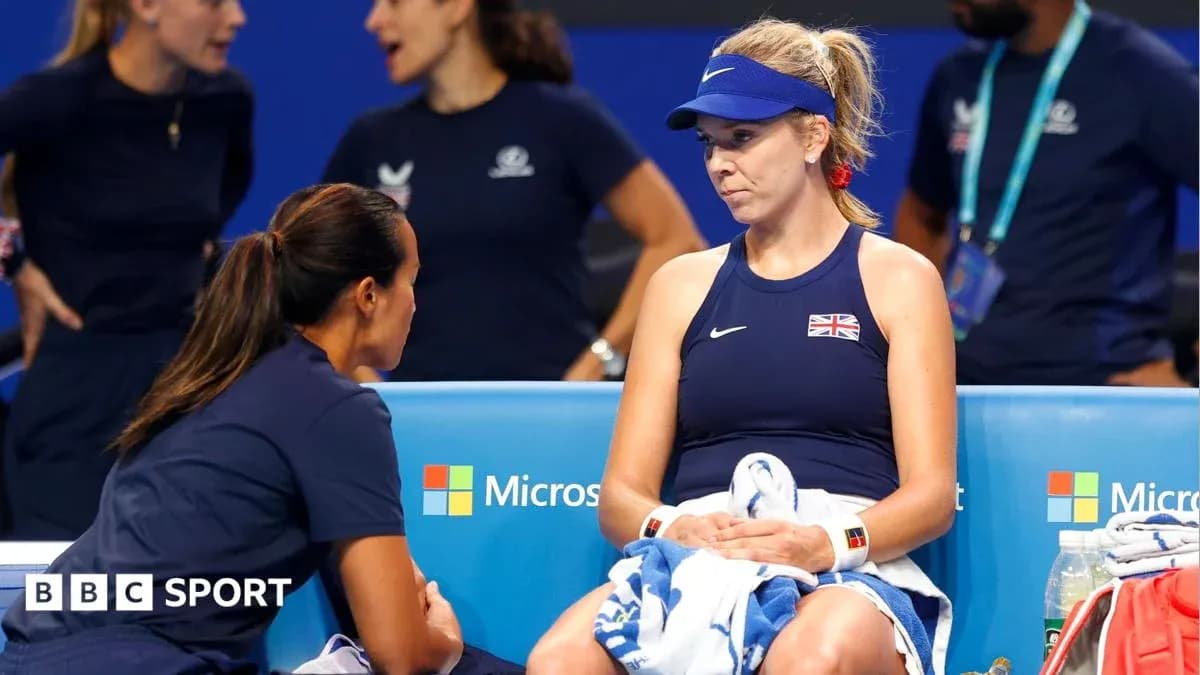
“I obviously got off to a really good lead, and then I got really scared, like I couldn't swing [the racquet],” the 31-year-old said. “I felt like I couldn't play tennis anymore. It just felt like it was a much bigger deal than just playing a tennis match all of a sudden.”
For a player who has long lived at the sharp end of majors, her honesty cut through. Keys, who reached the fourth round at all three other Grand Slams this season, admitted this was not an isolated wobble.
“I feel like I've been struggling for a while now. I'm going to have to make some sort of changes,” she said. “I just kind of keep putting it off because that's how the tennis world works. It's just to the point where I actually need to do something about it.”
The result leaves Zheng surging into the second week again, while Keys leaves New York with more questions than answers.
Anisimova’s frustration boils over
On a neighbouring court, another American contender from last year’s final weekend saw her campaign end with a thud.
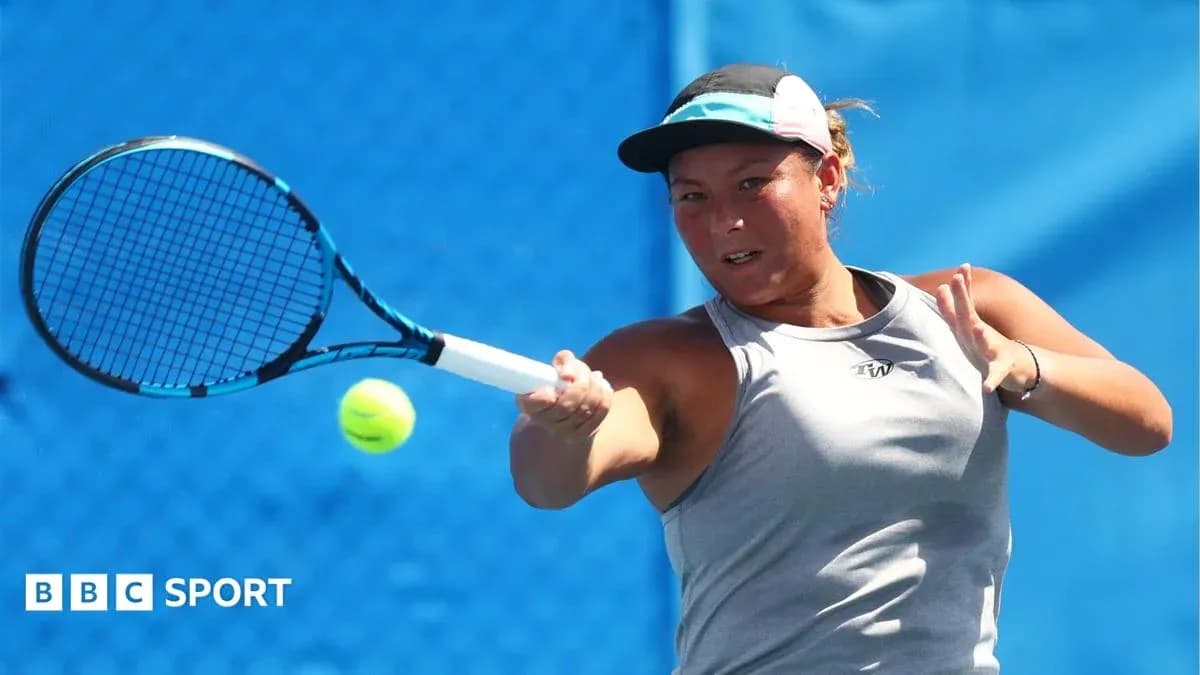
Amanda Anisimova, runner-up here 12 months ago to world number one Aryna Sabalenka, fell in straight sets to 24th seed Anastasia Potapova, the Russian-born Austrian who refused to blink in the big moments. Anisimova’s body language told the story long before the handshake. She cut a frustrated figure, berating herself between points as her serve repeatedly let her down.
She was broken twice in the opening set and four times in a chaotic second, never quite finding the rhythm or weight of shot that had carried her so deep last year. Potapova, by contrast, stayed compact and opportunistic, pouncing on every short ball and every tentative second serve.
For Anisimova, 25, it was a harsh reminder of how quickly the margins can turn at the top of the game. One year you are pushing the world number one in the final; the next, you are fighting your own game in the early rounds.
Home hopes still alive in numbers
Despite the exits of Keys and Anisimova, the American presence at this US Open remains strong and noisy.
Gauff leads a charge that could yet see as many as five home players in the women’s last 16, with Iva Jovic aiming to join Gauff, Jessica Pegula, Taylor Townsend and Emma Navarro in the fourth round. On the men’s side, the depth is just as striking: Ben Shelton, Frances Tiafoe, Tommy Paul and Alex Michelsen are already through, with Learner Tien and Michael Zheng still to play for their spots.
For now, though, the spotlight sits squarely on Gauff. She came here three years removed from becoming the first American teenager since Serena Williams in 1999 to lift the trophy in New York. She returns as the defending champion, the French Open winner, and the player carrying the hopes of a nation that has grown used to seeing her in the second week.
The difference this time? She looks like she intends to stay until the final weekend again.