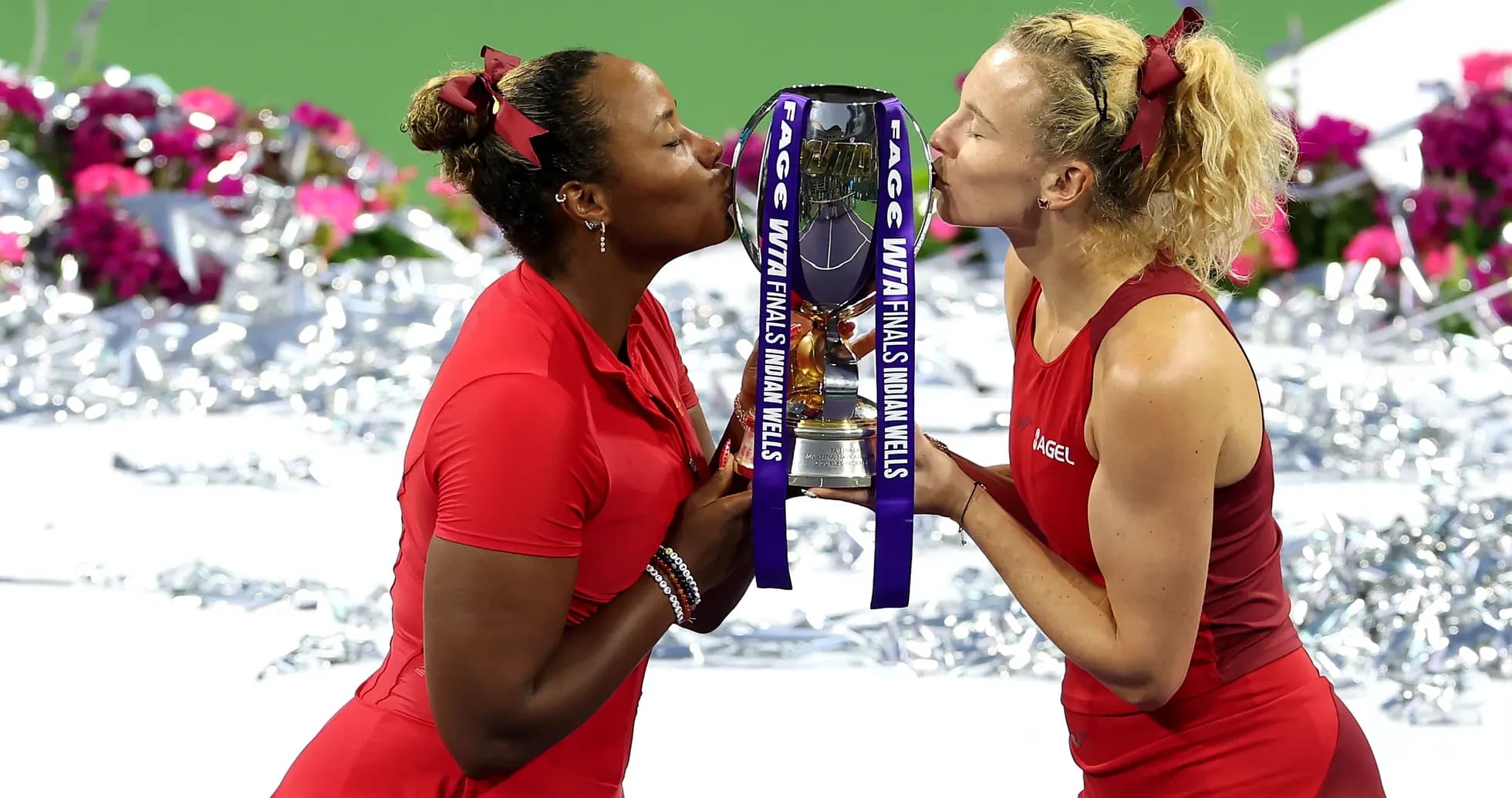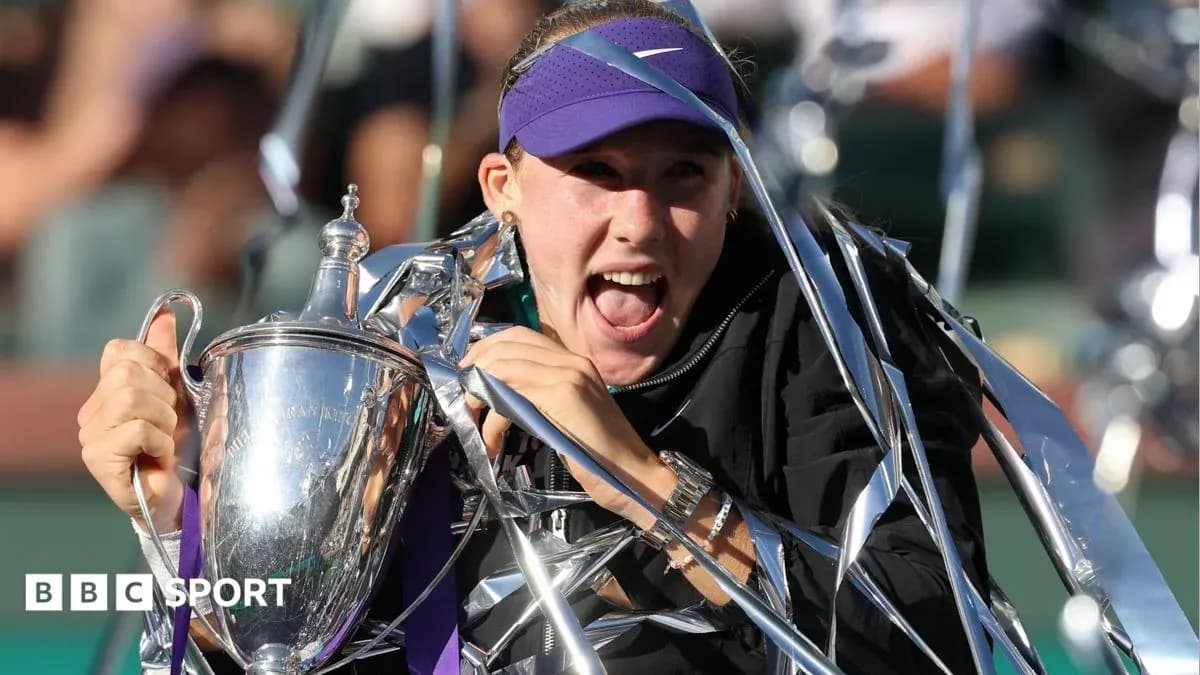
Tennis thrives not only because of the singles stars but also due to the passionate doubles community, which boasts its own champions and rivalries. Doubles remains a vital part of tennis at the club level, yet recent plans by the ATP have sparked worries about the format’s future on the professional tour. A collective of prominent doubles players has now voiced strong opposition to these proposed changes, urging tennis officials to rethink their strategy.
The open letter, sent to the ATP board and management, features signatures from 137 current players, 33 former pros, and 20 national tennis federations. The main concern is that the reforms could drastically reduce professional chances and shift roughly $20 million in prize money from doubles to singles. The letter highlights that a healthy professional sport cannot survive relying only on a handful of singles stars; it requires clear pathways for players to grow, compete, and earn income.
This debate has been brewing since Wimbledon, when players first heard the ATP was reevaluating doubles rules as part of a larger plan for 2028 and beyond. Proposed changes include shrinking Masters 1000 doubles fields from 32 teams to just 16, while ATP 500 and 250 events might feature only eight pairs. Prize money for doubles could be cut from 20% down to 10%.
For doubles specialists, the stakes are higher than fewer tournament spots. Limited draws mean fewer opportunities to compete, gain ranking points, and make a living. The letter argues this will hinder talented players from building sustainable doubles careers.
The movement has support from some of tennis’ biggest doubles icons. Wimbledon champion Pat Cash and legends Bob and Mike Bryan have added their names to the letter. Current world No. 1 Henry Patten and his partner Harri Heliövaara have also publicly stressed the need to protect doubles opportunities.
Patten highlighted the issue during his Wimbledon victory speech after winning the men’s doubles title with Heliövaara, saying tennis must create chances for young players, whether they choose singles or doubles.
Dutch player Sem Verbeek, 2025 Wimbledon mixed doubles champion and a campaign leader, told The Guardian that the ATP must involve players more directly in decisions affecting their futures. He warned the proposals endanger doubles’ history, current players, and future growth.
Verbeek challenged the idea that doubles careers should be seen as less important than singles. He argued the ATP has failed to promote doubles properly and should collaborate with players to expand its audience rather than reducing chances to compete. The players aren’t against reform but want genuine talks before any sweeping decisions reshape their profession.
The Argentine Tennis Association supports the campaign, with leading doubles player Horacio Zeballos among the signatories. The letter also notes that doubles provides an accessible way into tennis at grassroots and club levels. Cutting pro opportunities sends the wrong message to those who play and follow the format.
The ATP maintains it wants a sustainable model for doubles. Chairman Andrea Gaudenzi said the format will stay central to the ATP Tour and that the review aims to balance tournaments, fans, and player development. Discussions with the Player Advisory Council will continue, with key meetings planned in Turin next month.
Broader ATP Reforms Target Rankings, Pay, and Calendar for 2028
The doubles controversy is part of a wider ATP effort to reshape men’s tennis. In October, the ATP revealed plans for 2028 focusing on player pay, rankings, and the calendar. These proposals aim to improve financial support and ease the season’s demands.
- Player Compensation: The ATP wants to boost its bonus pool from $21.5 million to $50 million.
- Career Support: $25 million in year-end aid for players finishing in the top 250.
- Pensions: About $30 million annually for 300 players.
- Total Package: Player compensation could reach $350 million yearly from 2028, excluding Grand Slam earnings.
Ranking adjustments are also proposed to give more value to top tournament results and discourage chasing easier points after poor performances. One suggestion would stop players from replacing weaker Masters 1000 results with better ATP 500 or 250 scores.
Calendar changes include clearer scheduling, dedicated weeks for different tournaments, fewer ATP 250 events, and adding a tenth Masters 1000 event in Saudi Arabia. The goal is a more logical season encouraging players to focus on major tournaments.
These reforms still require approval, with the ATP’s year-end meetings in Turin set to decide which ideas move forward.