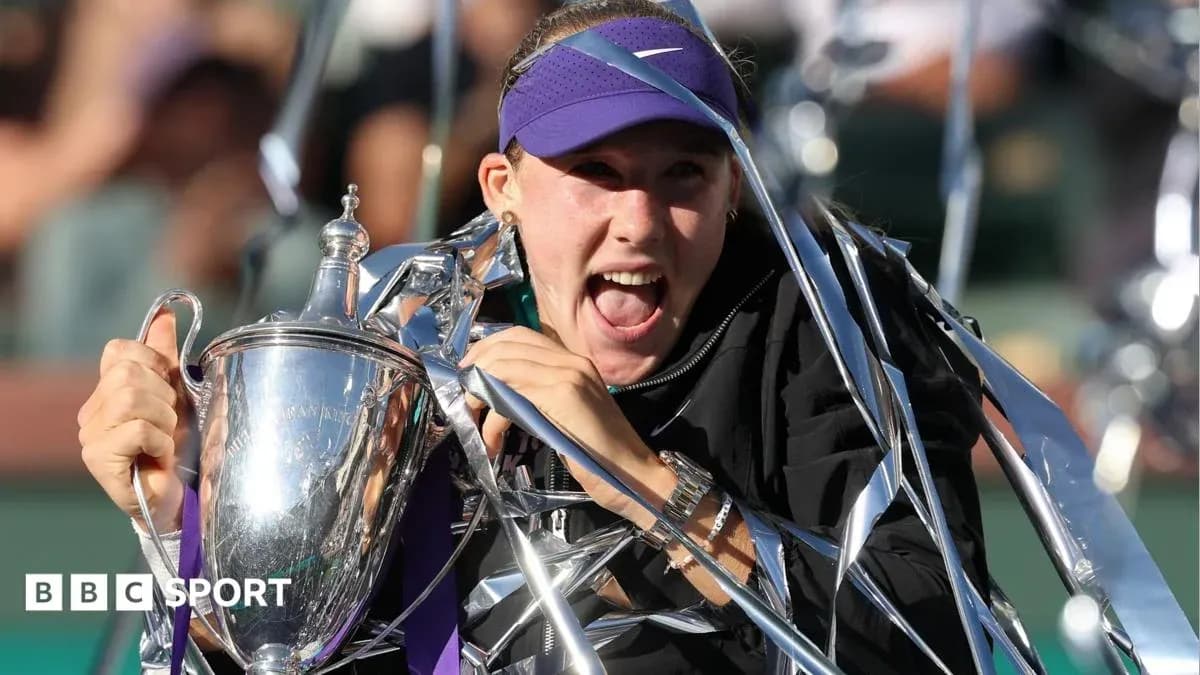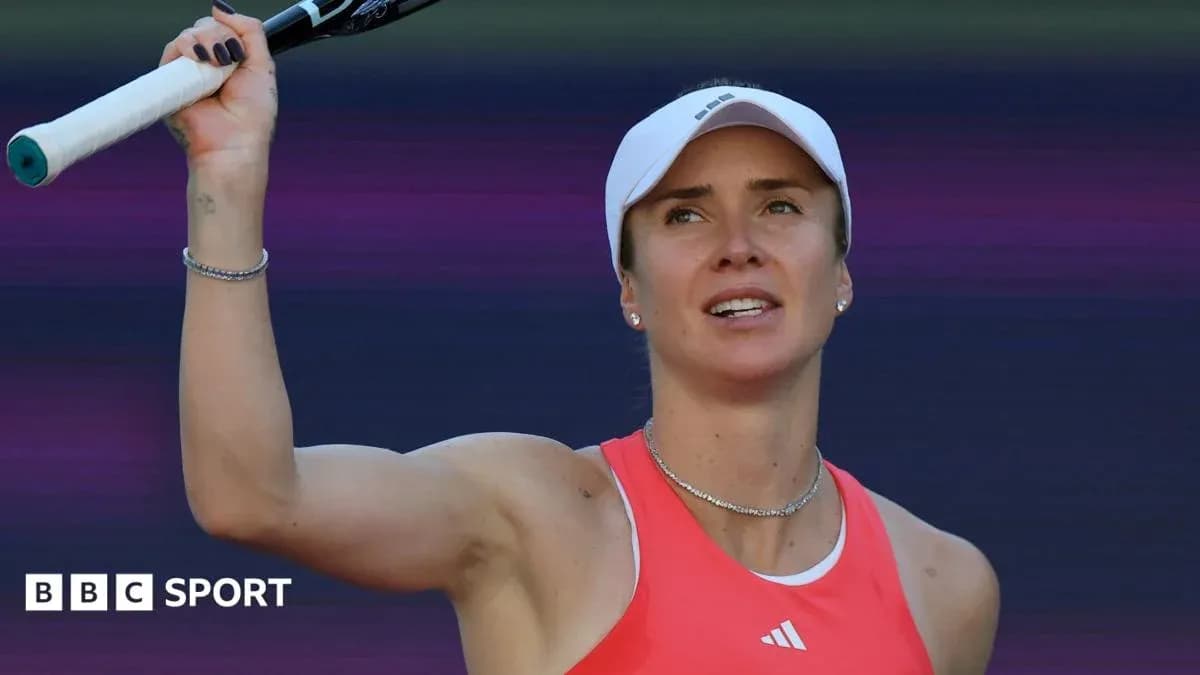
Elina Svitolina didn’t just turn a match around in California. She turned on herself.
“I was really angry at myself after the first match and the first set,” she admitted afterwards. That anger, sharpened and aimed straight at the ball, dragged her back from the brink and kept her WTA Finals campaign alive with a gutsy 3-6 6-2 6-2 win over Karolina Muchova.
From flat start to full roar
The scars from Monday were still fresh. Svitolina had been dismantled 6-4 6-0 by Mirra Andreeva in her opening group match, and for a set against Muchova it looked like the same story was being written again.
Her movement was off, the timing not there. Muchova, the Wimbledon runner-up, picked her apart with variety and weight of shot, taking the opener 6-3. When Svitolina then called a medical timeout for a right hip issue, the alarm bells grew louder. Physio on the hip, a few anxious looks, and then an early break point against her to start the second set.
That was the hinge. Save it, or slide out of the tournament.
She saved it. The mood changed.
Svitolina started to hit through the court, stepping into returns, taking time away from Muchova. The rallies grew longer, more physical, and the Czech’s forehand began to splinter under the strain. By the end, Muchova had sprayed 39 unforced errors, most of them from that wing, as Svitolina’s relentlessness pulled her deeper and deeper into trouble.
The second set raced away 6-2. The match had flipped.
Muchova unravels, Svitolina tightens the grip
The pressure told early in the decider. Svitolina broke at the start of the third set and never loosened her hold. Muchova chased, but every time she tried to swing momentum back, the mistakes crept in.
Her serve, usually a platform, deserted her at the worst moments. Eight double faults in total, the most brutal of them gifting Svitolina a second break in the final set. From there, the sixth seed shut the door with the calm of a player who has lived these moments many times before.
When the final point landed out, Svitolina tilted her head back and roared, a 32-year-old veteran letting all that frustration and defiance rip into the California air. This was not routine; this was survival.
“I tried to direct my anger towards the ball and I found my game in the end,” she said. On this evidence, that edge is back.
The victory is her ninth over a top-10 opponent this season and her first win at the WTA Finals since she lifted the title in 2019. The stage clearly still fits.
Her path, though, remains tangled. Svitolina can still reach the semi-finals, but the exact equation will only be clear once Aryna Sabalenka faces Andreeva. For now, she has given herself a chance — and reasserted her presence in a field that had briefly pushed her to the margins.
Norrie falls, Rune rises in Stockholm
While Svitolina was fighting to extend her week in California, Cameron Norrie’s run in Stockholm came to a quiet end.
The Briton, searching for rhythm and results in the closing stretch of the season, fell 7-5 6-3 to world number 10 Taylor Fritz. Norrie battled but couldn’t consistently match the American’s first-strike aggression, and once Fritz edged a tight opening set, he controlled the tempo.
Holger Rune, meanwhile, offered a very different kind of story at the same tournament.
A year ago, the Dane ruptured his Achilles at this event. Twelve gruelling months followed, his return to the ATP Tour only coming in October. On Wednesday, he walked back into the Stockholm quarter-finals.
It wasn’t smooth. Rune dropped the first set 2-6 to Miomir Kecmanovic, looking rusty and rushed. Then he reset. The serve clicked, the backhand started to bite, and he surged through the next two sets 6-1 6-4.
A comeback win, in the same arena where his body broke. A quarter-final berth, and with it the sense that, after a lost year, his season might finally be moving in the right direction again.
Svitolina raging herself back into contention. Rune returning to the scene of his injury and walking away with a win. At this stage of the year, it’s not just about form. It’s about who still has the will to squeeze something more out of a long, unforgiving season.