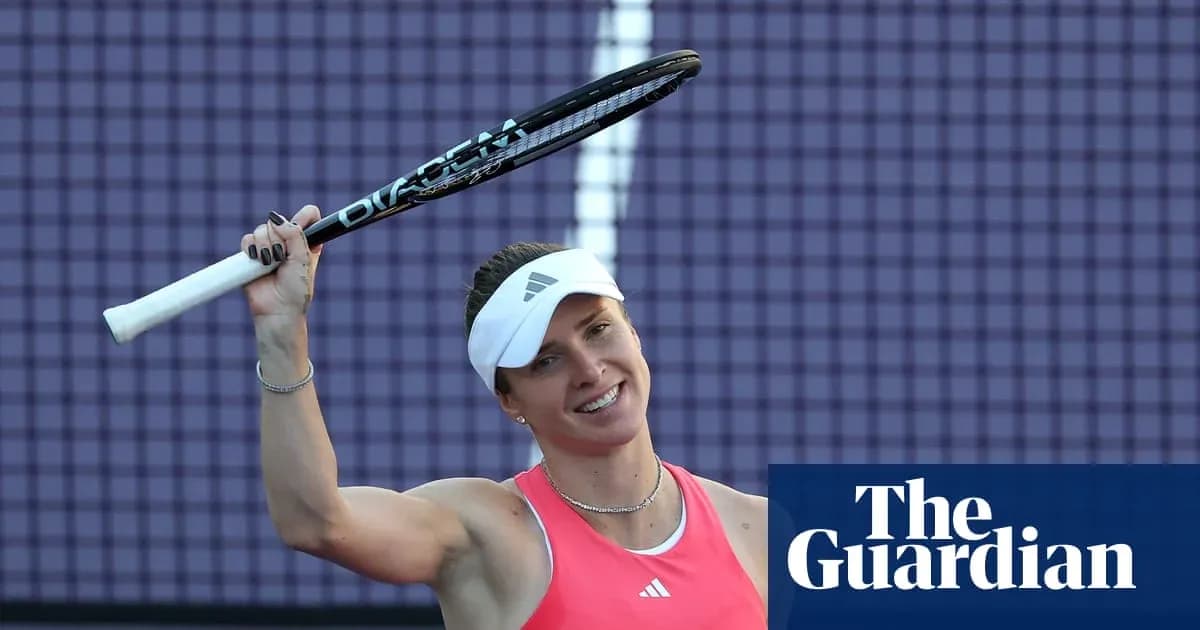
Elina Svitolina walked to her chair looking finished. One set down, the trainer called, an eight‑minute medical timeout in the desert heat of Indian Wells. Karolina Muchova was in control, and the Ukrainian’s WTA Finals campaign seemed to be evaporating before her eyes.
Then she came back swinging.
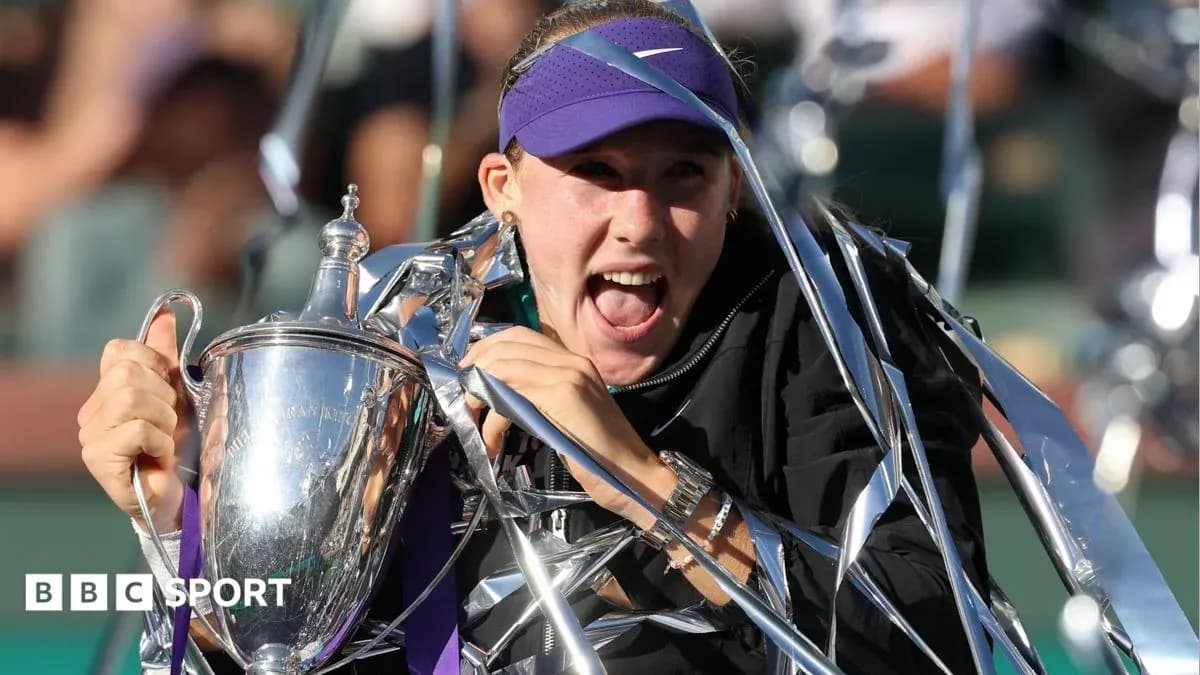
Svitolina turned anger into fuel and the match on its head, roaring to a 3-6, 6-2, 6-2 victory that keeps her alive in Group B and sets up a high-stakes showdown with Aryna Sabalenka for a place in the semi-finals.
This was not the performance of a player quietly slipping out of a season-ending event. This was defiance.
Just days earlier, Svitolina had been routed 6-4, 6-0 by Mirra Andreeva in her opening round-robin match, a defeat that left bruises on both scoreboard and confidence. When Muchova took the first set here and Svitolina disappeared off court for treatment, it felt like the same story on repeat.
She admitted she was furious – with that first match, with the first set, with herself. Instead of letting it eat her up, she aimed it at the ball. The shift was immediate. She began to step inside the baseline, driving through her forehand, taking time away from Muchova, who had dictated early with her variety and touch.
The pressure finally told in the second set. Svitolina broke, then broke again, and suddenly the patterns belonged to her. The Ukrainian’s movement, always a strength, sharpened. She chased down drop shots, turned defence into attack, and forced Muchova into longer, more physical exchanges she could no longer control.
By the third set, the level Svitolina demands of herself had fully returned. She played with the urgency of someone who knew defeat meant elimination. The rallies grew more one-sided, the scoreline reflecting her grip on the contest as she ran away with another 6-2 set to complete the comeback.
It was not just about tactics or ball-striking. This was a seasoned competitor refusing to let a season’s final tournament end with a whimper. She talked about “releasing all this energy” and “finding openings” against a rival she respects as “such a tough opponent”, and it showed in every aggressive return game, every clenched fist after a hard-earned point.
There is a cost, of course. Svitolina did not hide from the reality that her body is feeling the miles. The medical timeout was a reminder of a long year, and she spoke openly about “small injuries” and the fatigue that stalks every player at this stage of the calendar. But she also framed it as part of the job: everyone is tired, everyone is managing something, and the only option now is to put her head down, ice bath, recover, and be ready in 48 hours.
Because what comes next is brutal and simple: a straight shootout with Sabalenka.
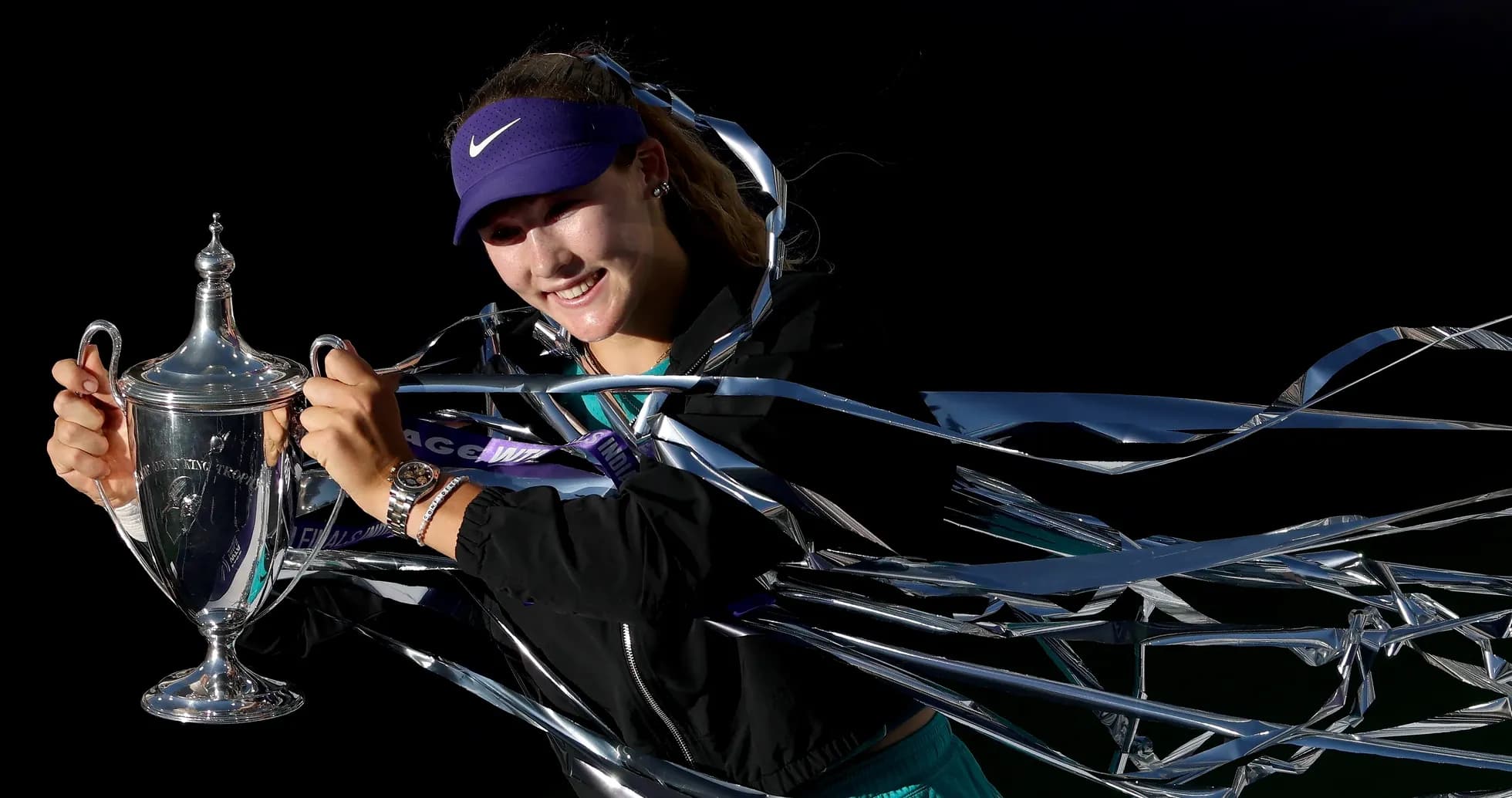
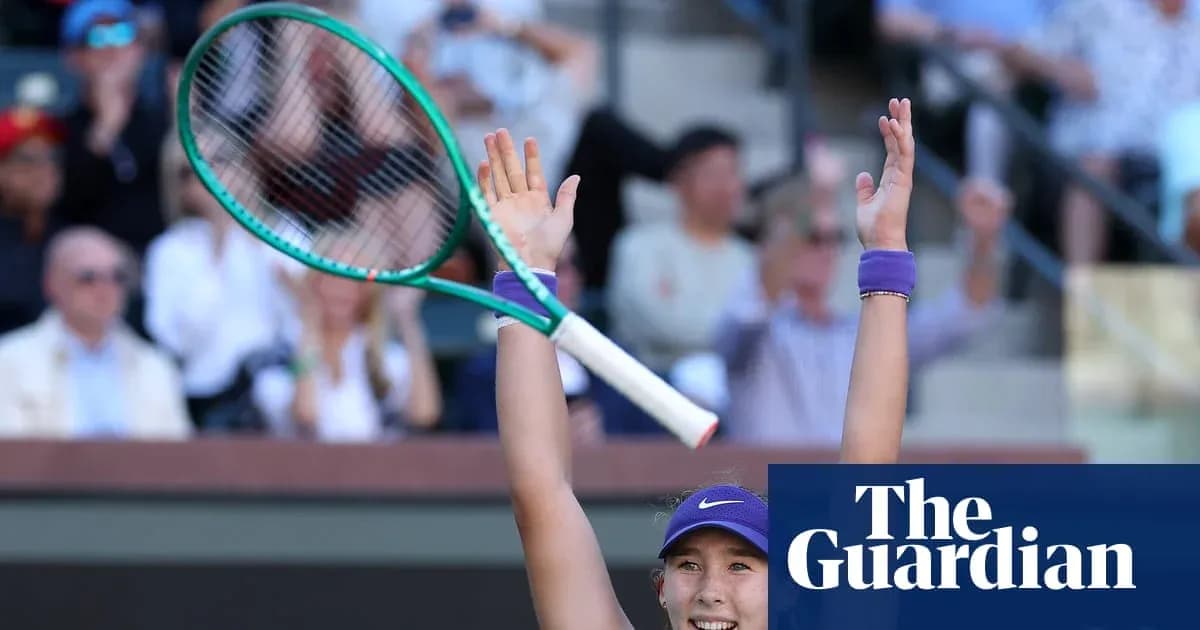
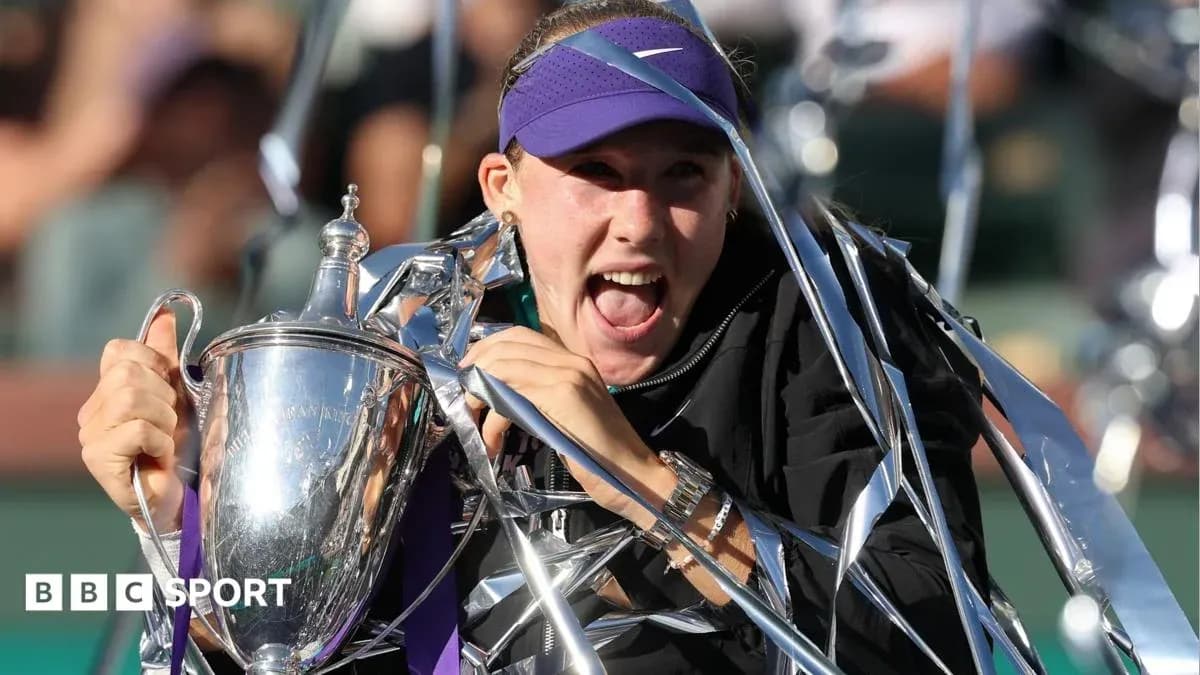
Andreeva, the French Open champion and rising force in the women’s game, has already locked up her place in the last four. She did it in ruthless style, rallying from 4-1 down in the opening set against Sabalenka to win 6-4, 6-0, a result that reverberated through the group. That comeback not only underlined Andreeva’s growing authority, it reshaped the stakes for everyone else.
Group B now has a clear hierarchy. Andreeva sits top, safely through. Sabalenka holds second place. Svitolina is third, but suddenly within striking distance.
It all comes down to one match: Svitolina against Sabalenka, with a semi-final spot on the line and no safety net left. For a player who has already dragged herself off the brink once this week, the question is simple: how many more times can she do it?