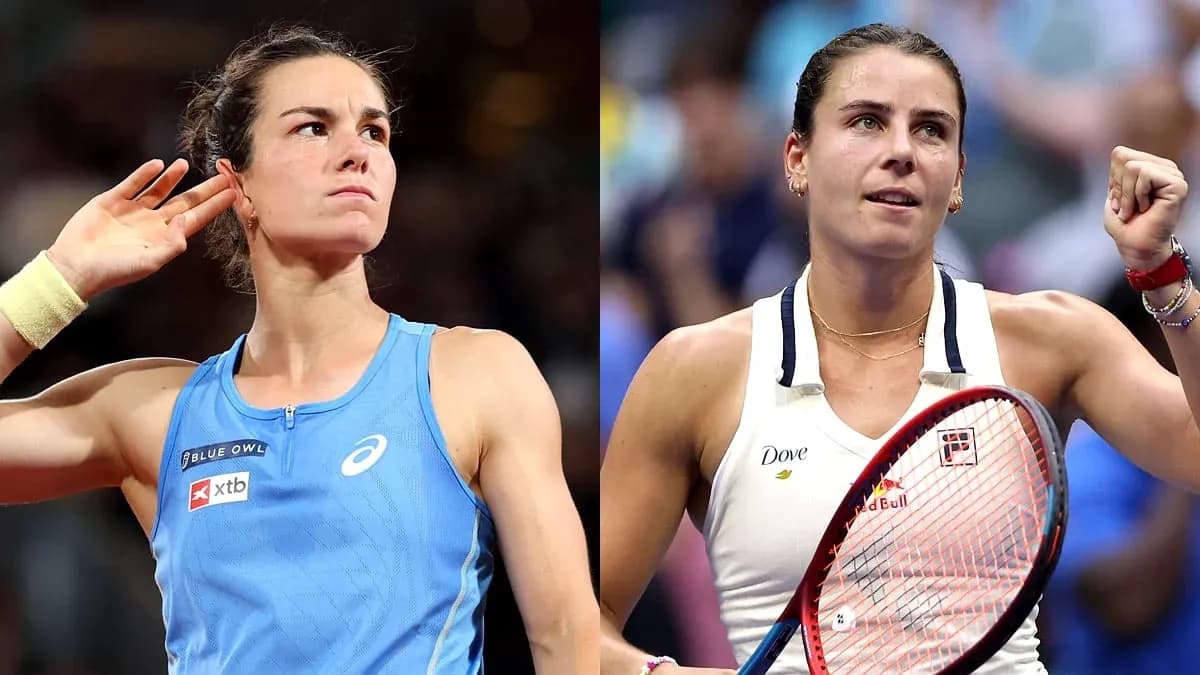
Emma Navarro survived a storm on court and in the sky. Lois Boisson couldn’t quite contain the one inside her.
On a stop-start opening to the 2026 US Open, Navarro edged past Boisson 7-6, 6-7, 6-3 in a first-round match stretched awkwardly over two days in New York. The tennis was tight, tense, and at times nervy. The ending was raw.
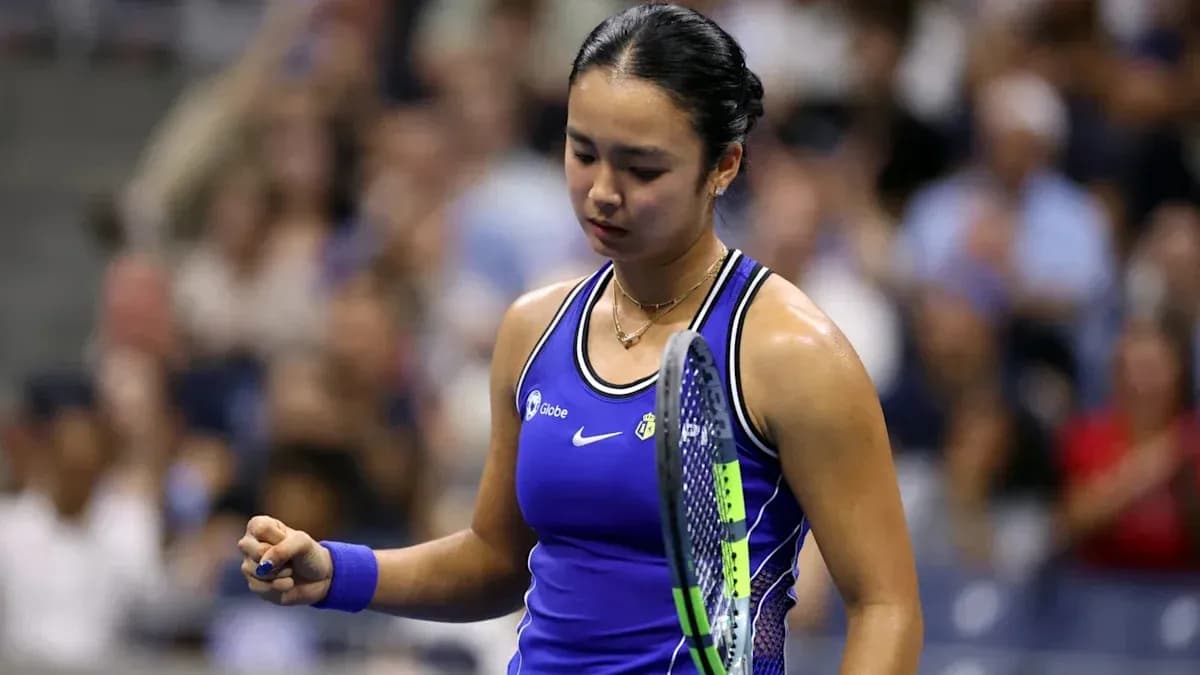
As Navarro lifted her arms in celebration near the baseline on Monday, cameras caught Boisson in the background, driving her racket into the hard court in frustration. One clean swing, straight down. The kind of release that says everything the scoreboard doesn’t.
They had just met at the net for the customary handshake, a brief, composed exchange after nearly three sets of trench warfare. Navarro turned away, letting the moment wash over her. Boisson turned inward, anger spilling out in that single, violent gesture.
This was not a routine straight-sets stroll. The 25-year-old American had to claw her way through a match that began on Sunday, only to be halted by rain and pushed into a second day. The interruption cut right through the rhythm of a contest that had already tipped into a psychological battle.
“It was really tough stopping at the point of the match we were at,” Navarro said afterwards. “I just felt like I had worked really hard to get to that point, and then all of a sudden, it’s like we’re gonna come out tomorrow and we both have a clean slate.”
That “clean slate” didn’t feel clean at all. It felt like a reset that neither player truly wanted.
“It’s really unique because you feel like you should feel like you’re ahead, but you kind of don’t,” she added, summing up the strange limbo of an overnight restart.
The scoreline tells its own story. Navarro edged the opening set in a tiebreak, Boisson hit back to steal the second in another tight finish, and the American finally broke clear in the third, 6-3, as the physical and emotional toll of the contest began to show.
For Boisson, 23 and still feeling her way into the sport’s biggest stages, the narrow margins cut deep. A few points here, a missed chance there, and a place in the second round had slipped away. By the time Navarro sealed victory, the French player’s composure finally snapped.
Her outburst will circle social media, as such moments always do. Yet it also underlines what this tournament demands: control not just of serve and return, but of temperament under the harshest lights.
For Navarro, the reward is a place in round two and the chance to build on a hard-earned win at her home Slam. For Boisson, the memory of that racket slam may linger longer than the scoreline.
The US Open rolls on through September 13, with the women’s singles final set for September 12 and the men’s showpiece a day later. The draw will tighten, the stakes will rise, and the emotions will only sharpen.
If day one is any indication, New York is in the mood for drama.