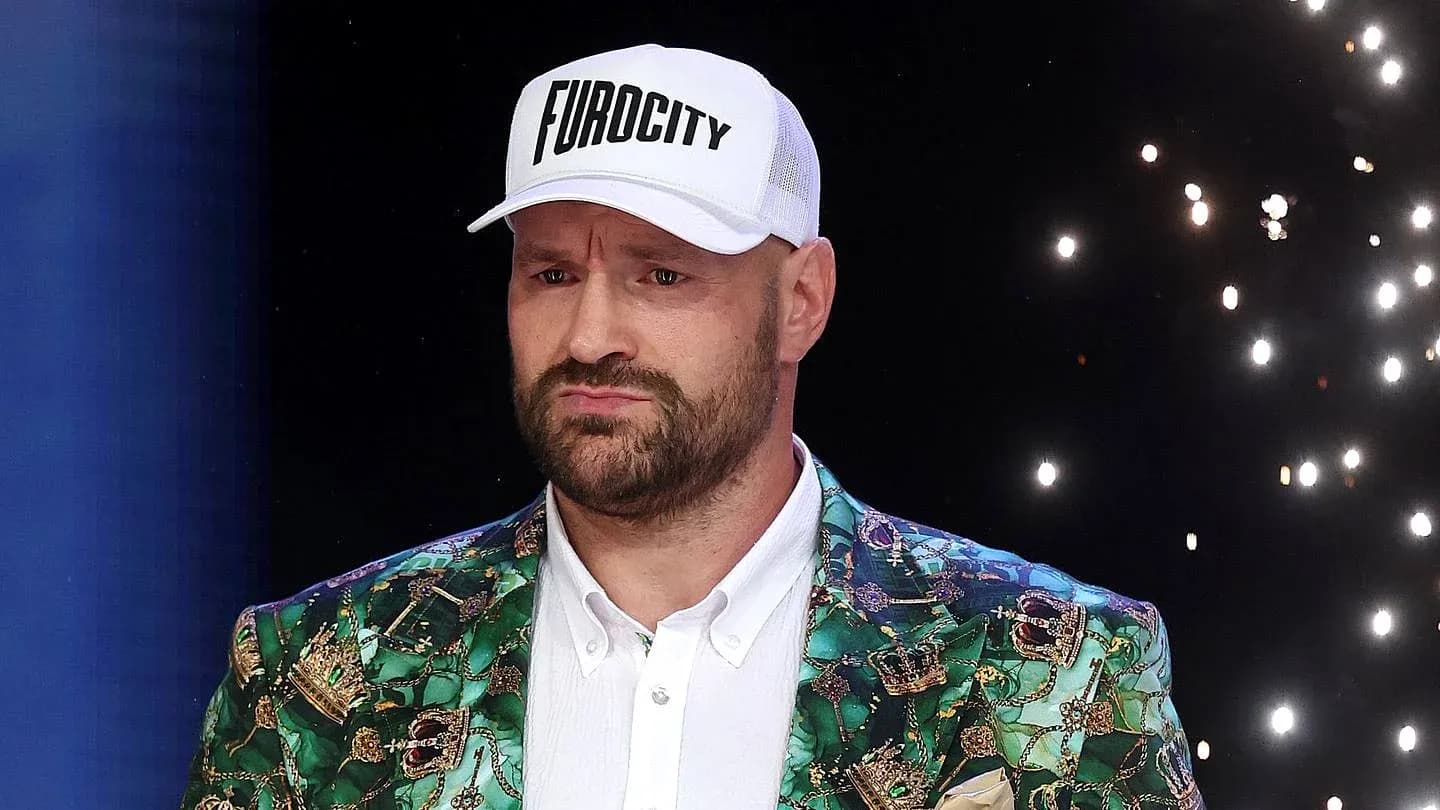
Tyson Fury has never needed much help selling a fight, but even by his standards, the buildup to Anthony Joshua in Cardiff on December 11 has come loaded with subplots. National pride. A route back to the summit. And, as he made clear this week, a harsh warning for an old rival he believes is running on empty.
The former unified heavyweight champion is 35 and counting, fully aware he’s closer to the final bell of his career than the opening round. That reality has sharpened his eye for decline. In his view, Deontay Wilder isn’t just fading. He’s finished.
Fury’s brutal verdict on Wilder
From 2018 to 2021, Fury and Wilder carried the heavyweight division on their shoulders. Three fights. One dramatic draw, then two emphatic Fury knockouts. The first bout left many arguing Wilder had done enough to edge it. The next two left no room for debate. Fury broke him down, then broke him apart.
Since that trilogy, their careers have split in opposite directions. Fury is back in another stadium headliner, this time against Joshua in Cardiff. Wilder, once the most feared puncher in the sport, is now, in Fury’s words, “shot to bits.”
Speaking to FightHype, Fury did not soften the blow.
"It's silly, really, for Deontay's part. He should not be in the ring. He should be nowhere near it. It's a dying shame that this man has to continue to fight when he's shot to bits. He should never have fought again after I beat him the last time. That should have been the end of it."
No caveats. No nostalgia. Just a cold assessment from the man who shared 30 bruising rounds with him.
Power gone, reflexes dulled
Wilder once carried fight-ending danger in both hands. One mistake, one opening, and it was over. That threat made him a world champion and a box office attraction.
Fury argues those days have gone, and he points straight at the recent loss to Zhilei Zhang as Exhibit A. Wilder looked static, unable to slip or step away from anything meaningful Zhang threw. The legs that used to spring him into range and out of danger looked heavy. The quickness that once bailed him out of trouble wasn’t there.
"If you're getting knocked out by people that you probably should have knocked out yourself... Him and Chisora were shockingly terrible when they fought. Chisora is like 145 years old, and he was taking Wilder's knockout power shots that are not there anymore, flush in the face, not even budging him. It is a shame, because if you want to match them two five years ago, it would not have lasted one round."
That image of Derek Chisora—long past his own prime—soaking up Wilder’s punches without flinching is central to Fury’s argument. For a fighter whose entire identity rested on destructive power, seeing opponents walk through his best shots is more than just a tactical problem. It’s an identity crisis.
A dangerous night on someone else’s stage
The story takes another twist in Cardiff. While Fury and Joshua headline, Wilder will appear on the undercard against Jai Opetaia, a man moving up from cruiserweight and smelling opportunity.
On paper, it’s a classic crossroads matchup. Wilder, the former WBC heavyweight champion, trying to prove he still belongs among the elite. Opetaia, younger and fresher, stepping into heavyweight with the chance to claim the scalp of a former king and fast-track his name into the title conversation.
Opetaia will bring speed, youth, and the kind of energy that can stretch an older fighter deep into uncomfortable waters. If he can stay away from whatever remains of Wilder’s right hand, his engine and activity could tilt the fight his way. That’s the gamble Team Wilder is taking: that the power, even diminished, will still be enough.
Fury isn’t convinced it should even be on the table.
Respect beneath the criticism
For all the sharp edges in his assessment, Fury’s comments aren’t just mockery. There’s a thread of empathy running through them, a veteran looking at another veteran and seeing the same pull he’ll one day have to resist.
"It's a hard thing to walk away from, and we've seen so many of the greats come back for whatever reason over the years, usually financial reasons, and it is a hard one to see, and it's a sad state of an affair, to be fair."
He knows the pattern. Great names hanging on too long. Medicals passed, paydays banked, legacies frayed. Fury’s warning sounds harsh, but it comes from someone who understands the cost of one fight too many.
Fighting the clock
The reality is simple. If Wilder keeps passing the governing bodies’ medical checks and the money keeps landing in his account, he is likely to keep fighting. That’s the brutal logic of heavyweight boxing: as long as there’s a name, there’s a market. As long as there’s a market, there’s risk.
On December 11 in Cardiff, Fury will chase one more giant night against Joshua. Just beneath that spotlight, Wilder will step through the ropes again, trying to prove his old rival wrong and that the clock hasn’t beaten him yet.