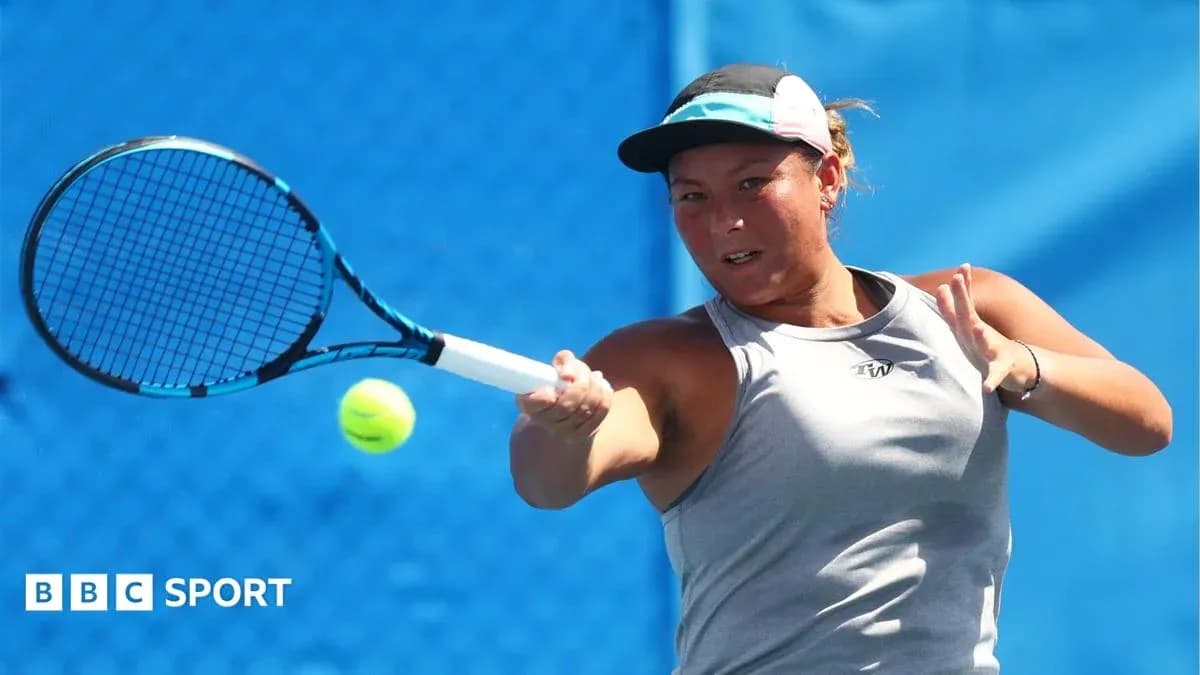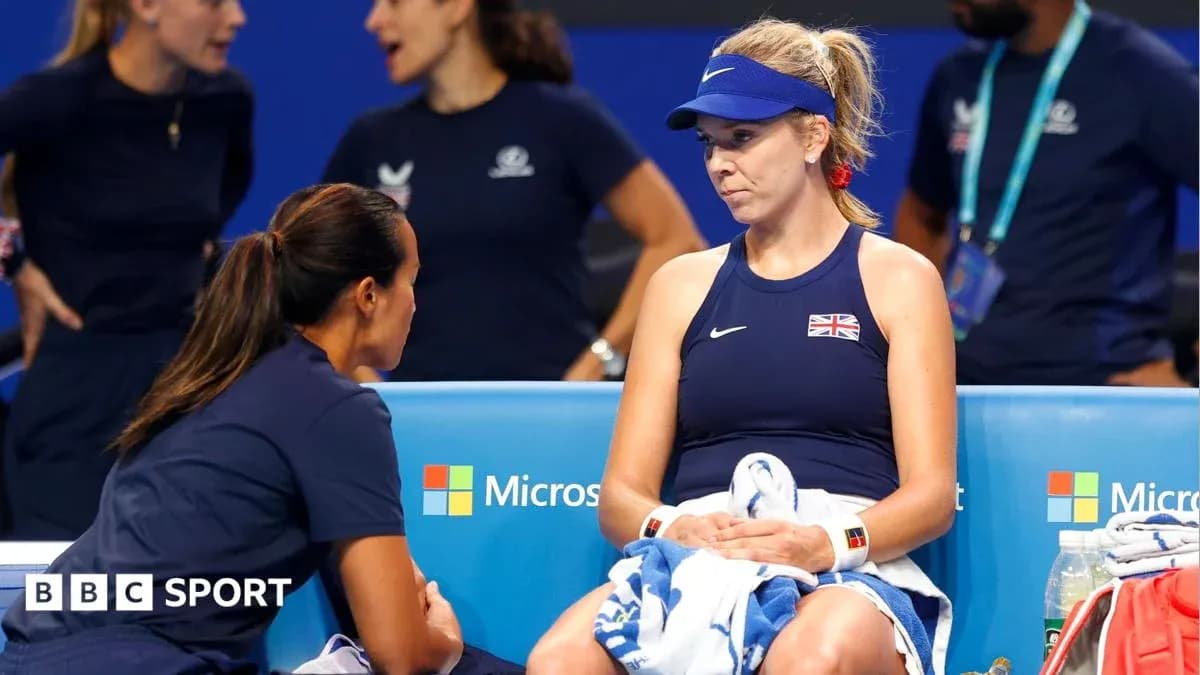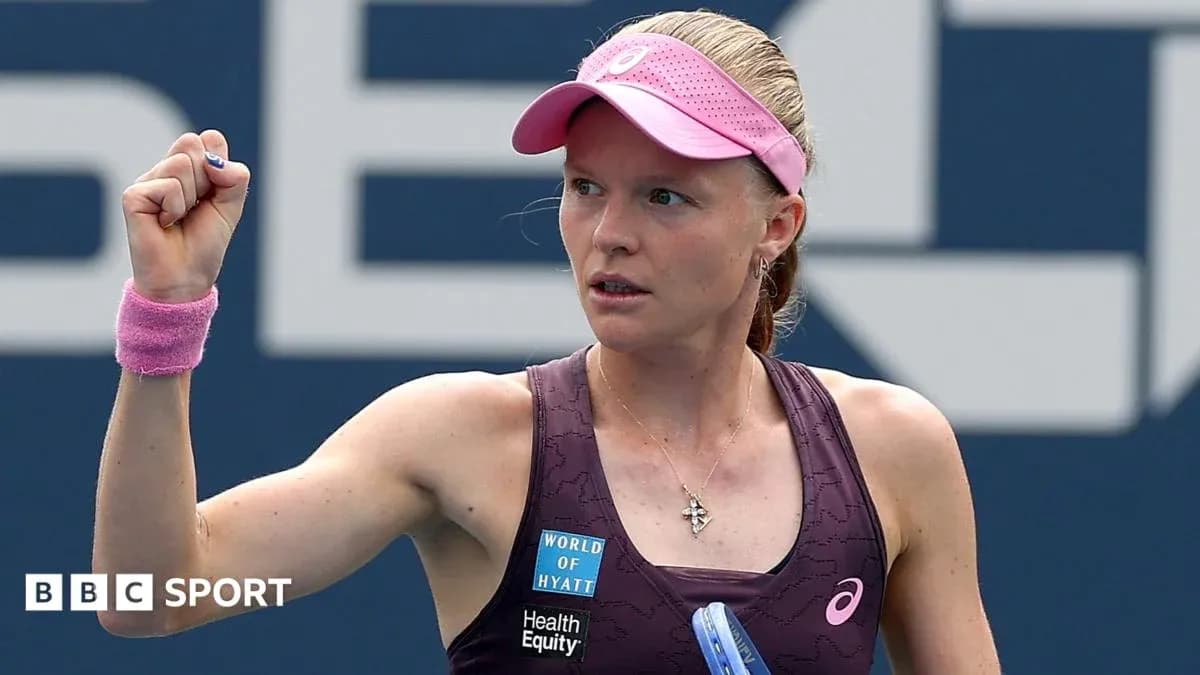
Harriet Dart finds her way home in New York again.
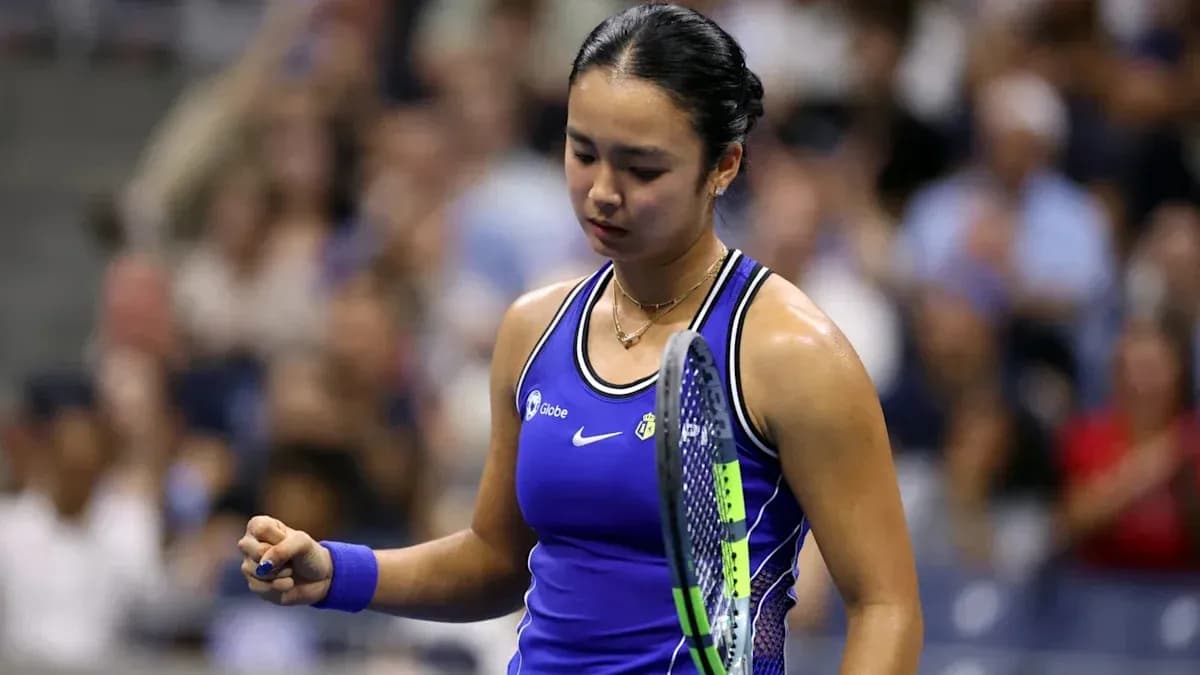
Nineteen months without a Grand Slam main-draw win is a long time in tennis, long enough for doubts to harden and opportunities to slip by. On a sticky afternoon at Flushing Meadows, with her parents, uncle and a cluster of cousins roaring from the stands, the 30-year-old Briton finally kicked that door down.
From a set and a break down against Peyton Stearns, ranked more than 75 places above her, Dart refused to fold and clawed out a 3-6 6-3 6-2 victory to reach the US Open second round.
From qualifying grind to main-draw belief
This wasn’t a sudden spark out of nowhere. Dart arrived in the main draw the hard way, dragged through three qualifying matches that all went the distance. She lost opening sets to Kristina Penickova and Heather Watson and still found a way through. Every match felt like a stress test. Every match went to three.
So when Stearns came out swinging and took control early, Dart knew the terrain.
The American shut the door on Dart’s early chances, saving four break points in the opening game and then tightening her grip. She didn’t offer another look at her serve in the first set, while repeatedly hammering at Dart’s. The pressure finally broke through in the eighth game. One break was enough. Set Stearns.
When Dart dropped serve again in the first game of the second set, the scoreboard screamed trouble. Stearns was dictating, Dart was chasing, and the gap in ranking looked justified.
Then the match flipped.
Stearns’ aggression, so effective early, started to fray. The winners kept coming – 40 in total – but the errors flooded in behind them, 47 unforced by the end. Dart, who has never been a shotmaker in that mould, did what she does best: she stayed, she ran, she made balls, and she made Stearns hit one more shot than she wanted.
Two breaks of serve turned the set on its head. Dart steadied, 6-3, and suddenly the contest belonged to the player who had been fighting for her tennis life in qualifying all week.
Bartoli’s imprint and a growing game
Dart’s resurgence has not happened in isolation. Since January she has worked with 2013 Wimbledon champion Marion Bartoli, a partnership that has quietly started to bear fruit.
From a run to the quarter-finals at the Vancouver Challenger in July to qualifying for the Cincinnati Open in August, the signs of a player rebuilding her confidence have been there. This win in New York felt like the next logical step, but also a significant emotional one.
“From her experience, she knows what I'm going through, how I'm feeling, how the day starts, how it finishes – everything from the little things to the big things,” Dart said of Bartoli. “To be able to soak up everything, all of her experience, and learn from her – I feel I'm learning so much every time we speak. I feel like I'm improving at a lot of things which motivates me.”
On court, that influence showed in the way Dart handled the chaos of the decider. The third set became a tug of war on serve, three consecutive breaks leaving the match hanging in the balance. Dart then produced one of the key holds of her season in the sixth game, finally putting a lid on the volatility and edging 4-2 ahead.
From there she tightened the screws. The rallies lengthened, Stearns’ shoulders sagged, and Dart’s belief grew with every point. She needed four match points to close it, but close it she did, after just under two and a half hours of graft.
A ‘home away from home’ delivers
For Dart, Flushing Meadows is not just another stop on tour. With her uncle and cousins based in New York, and more family flying in from the UK, this fortnight carries a different feel.
“My uncle and cousins live here, one of my cousins from the UK is over at the moment, my mum has been here since I started in qualifying, and my dad flew in last night,” she said. “New York always feels like a home away from home. It feels like a community for me and I really felt the support out there.”
That community roared as she sprinted straight to her box at the end, sharing a moment that stretched back over those 19 months of near-misses and early exits. Since her last Grand Slam main-draw win at the 2025 Australian Open, she had failed to qualify for four of six majors and lost in the first round of the last two Wimbledons, both times as a wildcard. The road has been long and often unforgiving.
Now she has a platform again.
World number 131 Dart moves on to face 25th seed Marie Bouzkova in the second round, a stern test against one of the tour’s more durable competitors. She will not be favoured. She will not care.
She also joins fellow Britons Toby Samuel and Katie Boulter in round two, a small but meaningful cluster of Union Jacks in the New York draw.
For Dart, though, this is about more than a single result. It is about a player who has lived on the margins of the sport, who has been forced into qualifying, who has taken the scenic route through every corner of this US Open – and who now walks back onto the big courts with something she has been chasing for a long time.
A Grand Slam win in her pocket. A champion in her corner. A crowd that feels like home.
Now we find out how far that combination can take her.