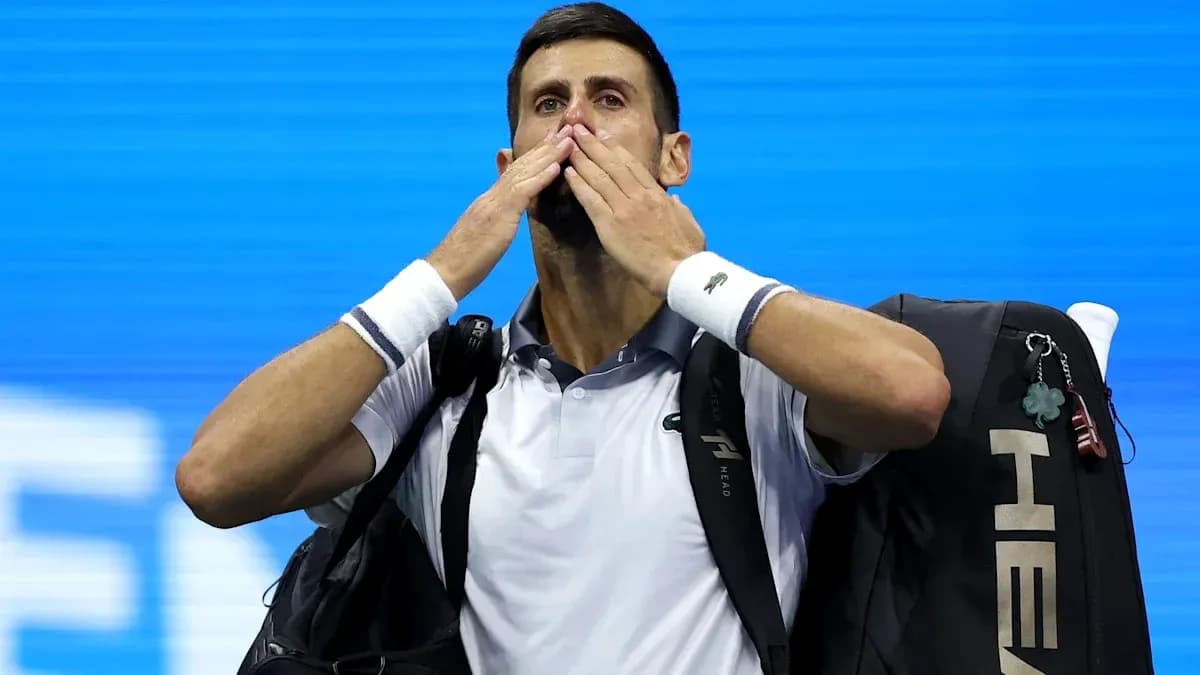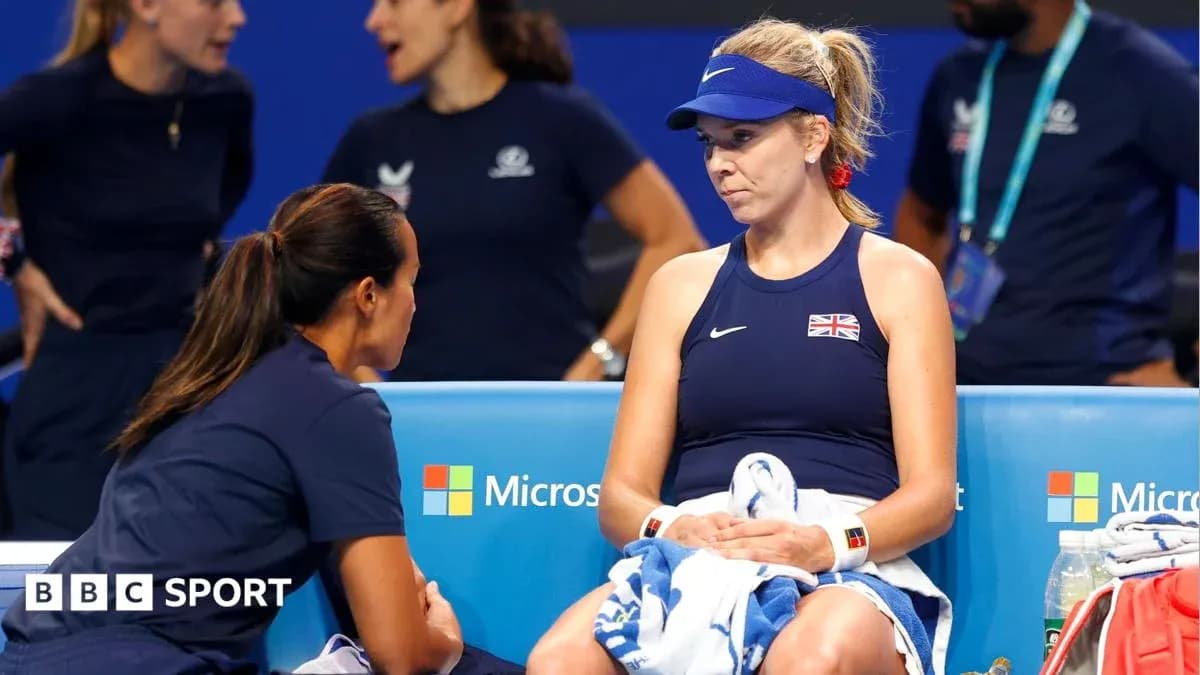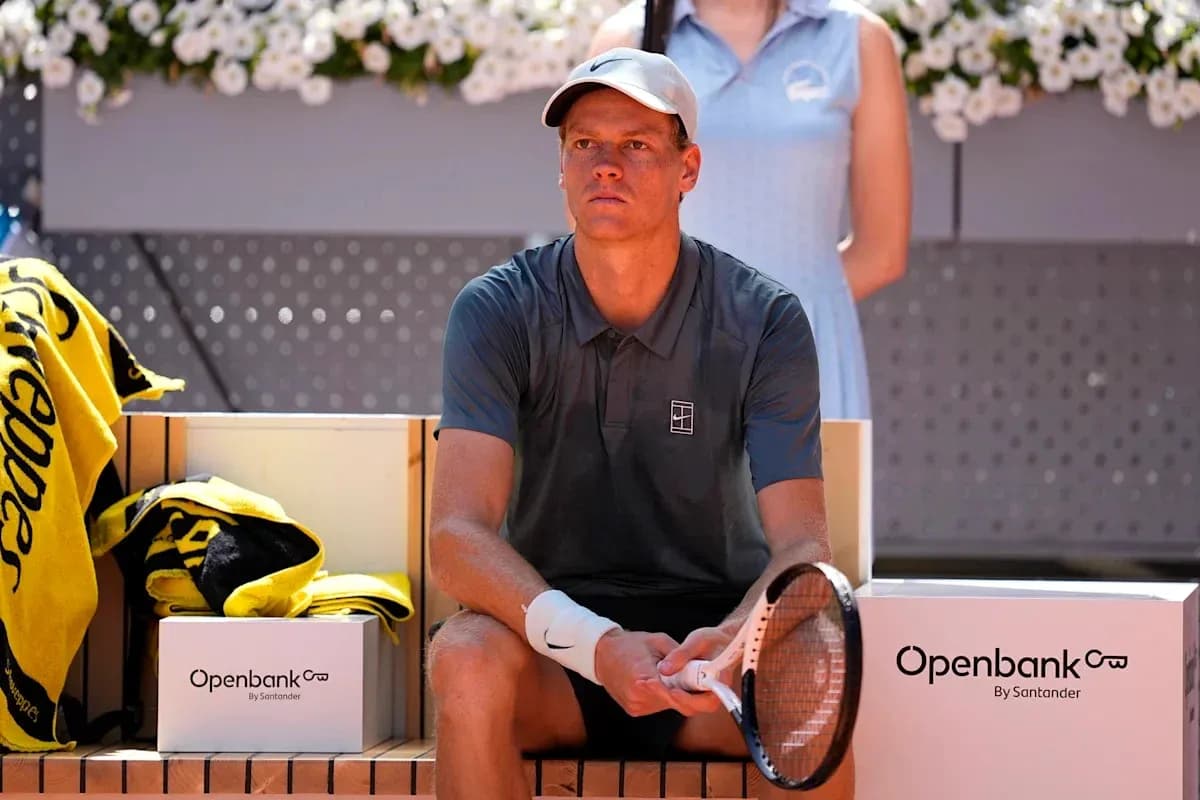
The last image tennis has of Jannik Sinner is pure coronation: Centre Court, July 12, the Italian lifting the Wimbledon trophy and looking every inch the sport’s new standard-bearer. Since then? Silence. More than two months without a competitive ball struck by the World No.1, and a calendar about to drag the tour into its draining Asian swing.
Fans expect a grand return in Beijing or Shanghai. Stefano Pescosolido is not so sure that would be wise.
“I think he’s a little more careful from a physical standpoint. He wants to avoid relapses,” the former ATP pro told Tuttosport, framing Sinner’s next decision not as a scheduling choice, but as a career-defining calculation. “The Slams are his main goal, and I imagine he wants to be at his best next year to try to win as many as possible. There are two options: Beijing and Shanghai, or starting with the indoor tournaments.”
That fork in the road could shape the rest of his season – and the No.1 ranking.
Heat, Humidity and a Body on the Edge
This is not paranoia. Sinner’s issues in brutal conditions are no longer a subplot; they’re a recurring theme.
Last year’s Asian swing left scars. At the Shanghai Masters, he struggled badly with the humidity and ended up retiring against Tallon Griekspoor, and that was under the lights in a night session. Go back further and the pattern sharpens: physical collapses in the Australian heat over the past two seasons, energy dips in various European events, and then the most dramatic episode of all in Paris this year.
At Roland Garros, Sinner stood one game away from a routine second-round win over Juan Manuel Cerundolo. Instead, his body shut down. Full-blown cramps, legs betraying him, energy gone. The World No.1 suddenly looked like a qualifier out of gas, unable to mount any real resistance as the match slipped away in a shock defeat.
Yes, the conditions were savage. But the context mattered. Sinner had played all five Masters 1000 events in the run-up to Paris, sweeping titles and piling up wins – and, with them, fatigue. The body finally called in the debt.
Pescosolido’s warning about Asia is rooted in that history. Hot, humid, heavy conditions. Long flights, dense schedules. It is exactly the kind of stretch that can tip a finely tuned machine into overload.
Asia’s Temptation vs Indoor Security
Skipping the Asian swing is not as simple as circling a few tournaments in red and walking away. Sinner has history there, and it is good history.
He is a two-time champion in Beijing and a former winner in Shanghai. These are not marginal stops for him; they are proven hunting grounds. Walking away from them in a season where he already missed the summer hard-court stretch would be a bold, even uncomfortable, choice.
Yet the alternative has its own allure. Come back indoors. Remove the sun and the humidity from the equation. Strip the sport down to what Sinner does best: clean ball-striking, quick conditions, controlled environments.
On indoor hard courts, the numbers are emphatic. Ten titles from twelve finals. Two trophies already in Vienna. If he delays his return and steps straight into that swing, Pescosolido believes it could be the perfect springboard for the World No.1’s comeback, and the safest way to protect a body that has already sent clear warning signals.
The trade-off is obvious. Protect the legs. Risk the ranking.
The No.1 Under Siege
Sinner is already guaranteed a place at the ATP Finals in Turin. That alone explains a lot. The chance to play the season-ending showpiece in front of a home crowd is not something an Italian World No.1 is going to jeopardize lightly.
Yet the ranking math is unforgiving.
Sinner is the defending champion in Beijing. If he stays home and skips the event, 500 points vanish from his total. Even if Alexander Zverev also sits it out, the gap shrinks. And Zverev, unlike Sinner, is not weighed down by a big haul of points to defend in Asia after a modest swing there last year.
The German arrives in this stretch as a two-time Major winner in 2024, armed with momentum and opportunity. A deep run in Shanghai would slice further into Sinner’s lead and crank up the pressure heading into the indoor season.
That is where the situation turns from delicate to dangerous for the Italian. Indoors, Sinner is not just strong – he is defending a mountain. Titles in Vienna, Bercy, and the ATP Finals last year mean he will be playing with points stacked high under his feet. Any stumble could be costly. Zverev, for his part, also has points to defend – a final in Vienna and a semifinal at the Paris Masters – but his load is lighter.
The incentive for Zverev is obvious. He has openly resisted overhyping his Grand Slam success this year in the absence of Sinner and Carlos Alcaraz, aware of the asterisk some attach to his surge. Taking the No.1 ranking off a fully fit Sinner, or even one managing his schedule carefully, would silence plenty of that noise.
A Season on a Knife Edge
This is where Sinner stands: between the short-term hit of possibly ceding ground in the rankings and the long-term priority of protecting a body that has already cried out in pain on some of the sport’s biggest stages.
Return to the heat of Asia and defend what’s his? Or step away, circle Vienna as the starting line, and trust that the indoor season – and the roar of Turin – will be enough to keep him at the summit?
For a player who now shapes the calendar as much as he follows it, the next tournament he skips, or plays, could decide who ends this year as the best player in the world.