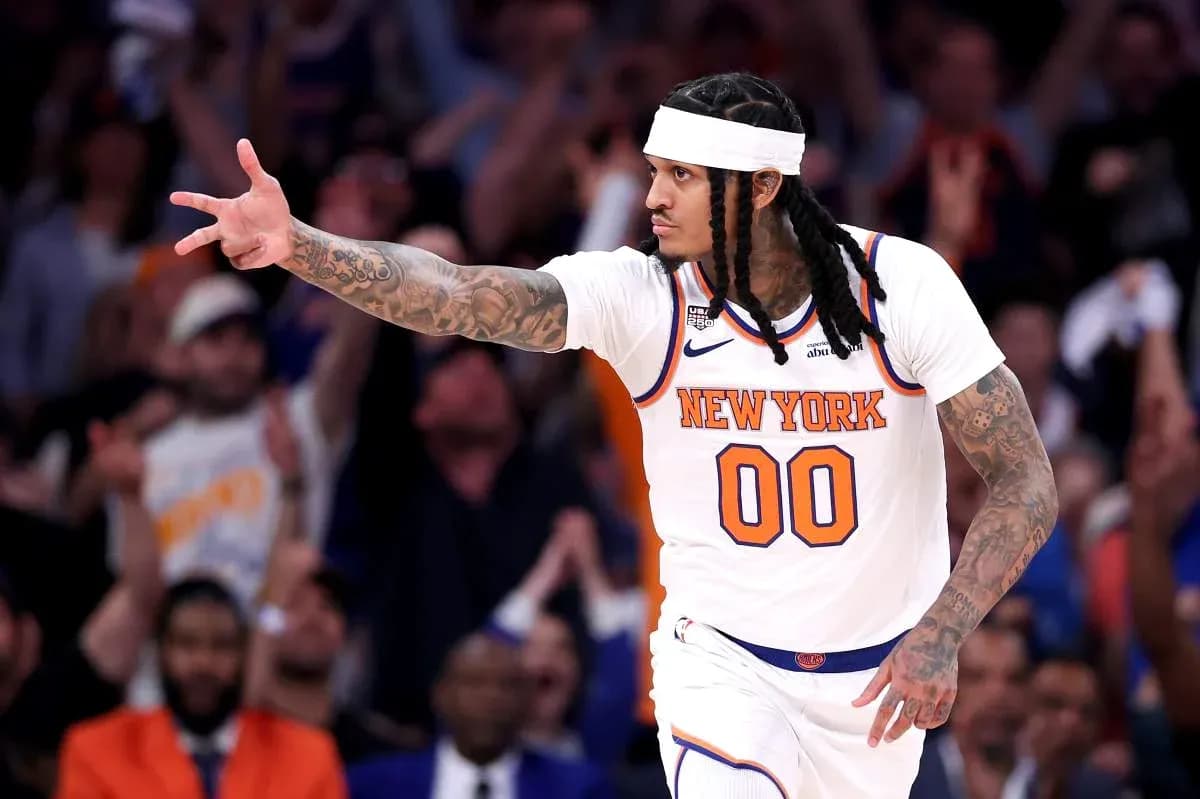
Jordan Clarkson didn’t need many words. He rarely does.
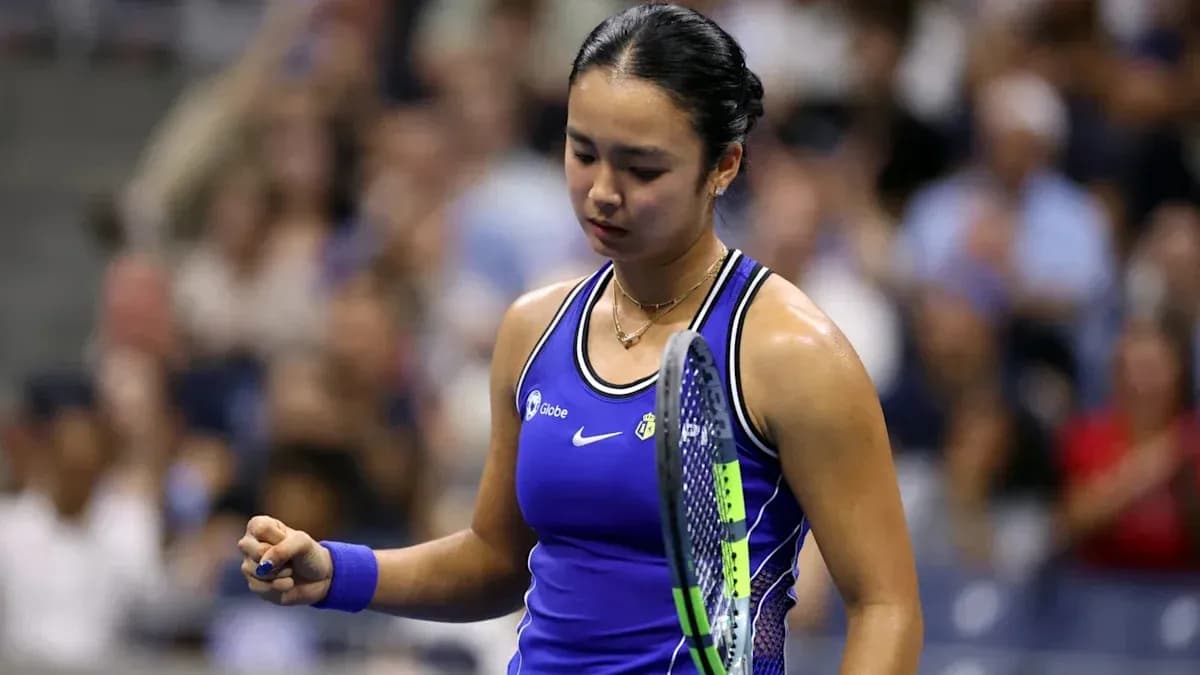
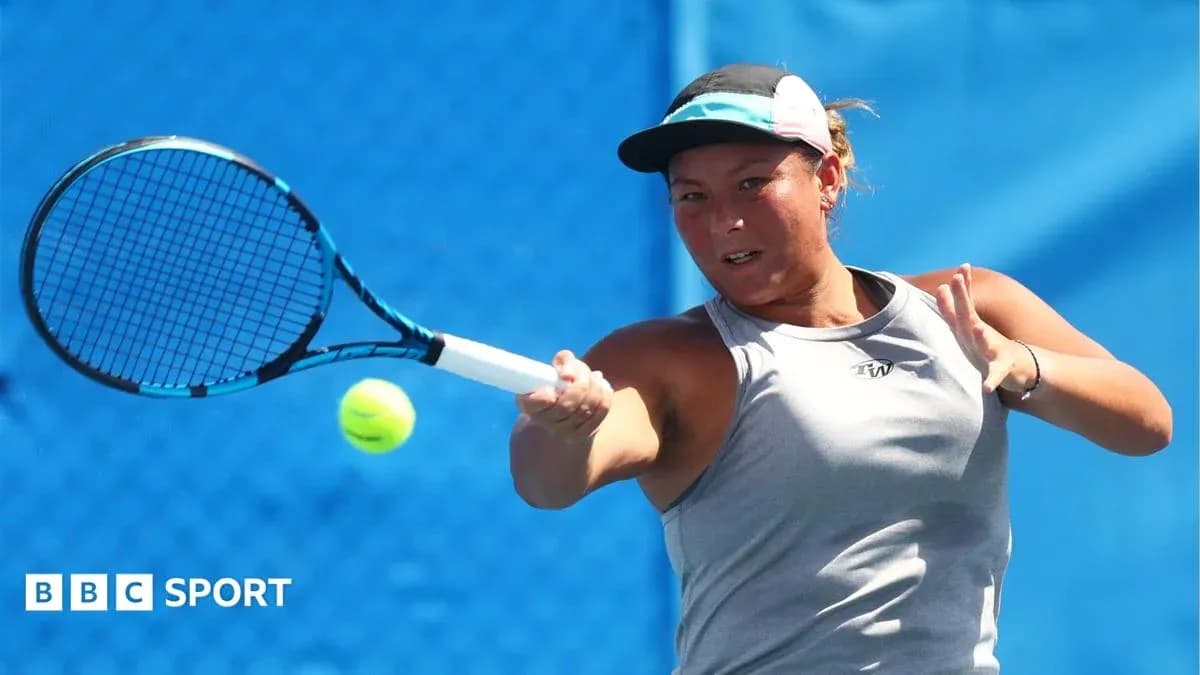
“Alex Eala! Let’s goooooooo,” he fired off on X, just after the 19-year-old Filipino star rolled past Mary Stoiana, 6-1, 6-2, on Louis Armstrong Stadium at the US Open.
On the surface, it looked like a simple shoutout from an NBA champion to a rising tennis talent sharing his city for a fortnight. Underneath, it carried the weight of a man who knows exactly what it means to have a flag on your shoulders every time you step into an arena.
From Sixth Man to Role Player — and Champion
Clarkson arrived in New York last summer as something very different from the player who once lit up second units in Utah.
The Jazz had bought out the final year of his deal. A guard who averaged 16.2 points, 3.7 assists and 3.2 rebounds in 26.0 minutes in his last Utah season, and 17.5 points across six years there, suddenly found himself signing with the Knicks for the veteran minimum. This was the 2020-21 Sixth Man of the Year, a scorer built on rhythm and volume. New York wasn’t offering either.
They were offering a chance.
On a deeper roster chasing a title, Clarkson’s world shrank. His minutes dropped to 17.8 per game. The ball found him less often. He started only once in 72 appearances, averaging 8.6 points, 1.8 rebounds and 1.3 assists. For a player wired to hunt shots, this was a rewiring of identity.
He took it.
Clarkson traded touches for trust, star numbers for a championship role. The Knicks rode that depth all the way to the NBA title, and the city wrapped its arms around a veteran who didn’t sulk, didn’t complain, and instead carved out a niche as a spark off the bench and a steady presence in the locker room.
New York noticed. So did the front office. This summer, the Knicks brought him back on another one-year veteran-minimum deal worth $3.9 million. The message was clear: this version of Clarkson — efficient, committed, team-first — fits.
For a guard once defined by how many points he could put up in 28 minutes, the transformation has been stark. And deliberate.
A Shared Flag in a Different Arena
That’s the backdrop to a short social-media post that might have looked like just another celebrity cheer.
Days before his “Let’s goooooooo” message, Clarkson met Alex Eala during US Open week. The two didn’t just swap pleasantries; they connected over something deeper than basketball or tennis.
“When you got Filipino blood, you take the whole country with you,” Clarkson told her.
He has lived that line. Eala is starting to.
Her opening-round win over Stoiana played out in front of a crowd in Queens that felt more like Manila than New York, with Filipino flags scattered around Louis Armstrong Stadium and every winner greeted like a national event. Eala, still shaping her career and still learning the rhythms of the tour, now carries a rising wave of expectation every time she walks onto a big court.
Clarkson knows that feeling well. He has worn the Philippine jersey, felt the pressure and pride of being one of the faces of basketball in a country that treats the sport like religion. For years, he shouldered that responsibility with the national team; now, in a different sport and a different arena, he’s watching someone else step into a similar storm.
This time, he’s in the stands — or on the timeline — instead of the spotlight.
Different Stages, Same Audience
The contrast between the two is striking.
Eala is at the start, her profile growing beyond tennis with each match, each broadcast shot of those flags in the crowd. Clarkson is 34, his game already evolved from high-volume scorer to veteran role player, his priorities sharpened around winning and longevity rather than box scores.
Yet their careers intersect in one powerful place: the Philippines watching them, tracking their progress from half a world away, claiming their success as its own.
As Eala pushes deeper into one of tennis’ biggest tournaments, she does it in the same city where Clarkson has just reinvented himself and finally lifted the Larry O’Brien trophy. The Knicks guard, now part of a fan base rather than the focal point of it, has become one of the loudest voices cheering her on.
He understands what comes next — the scrutiny, the expectations, the sudden sense that every performance represents more than just you. He also understands the quiet, personal choice that can change everything: accepting a different role, and thriving in it.
So when Jordan Clarkson hits send on a message to Alex Eala, it’s not just a casual boost from an NBA name. It’s a nod from someone who has already lived through the shift she’s beginning to feel.
Keep going.