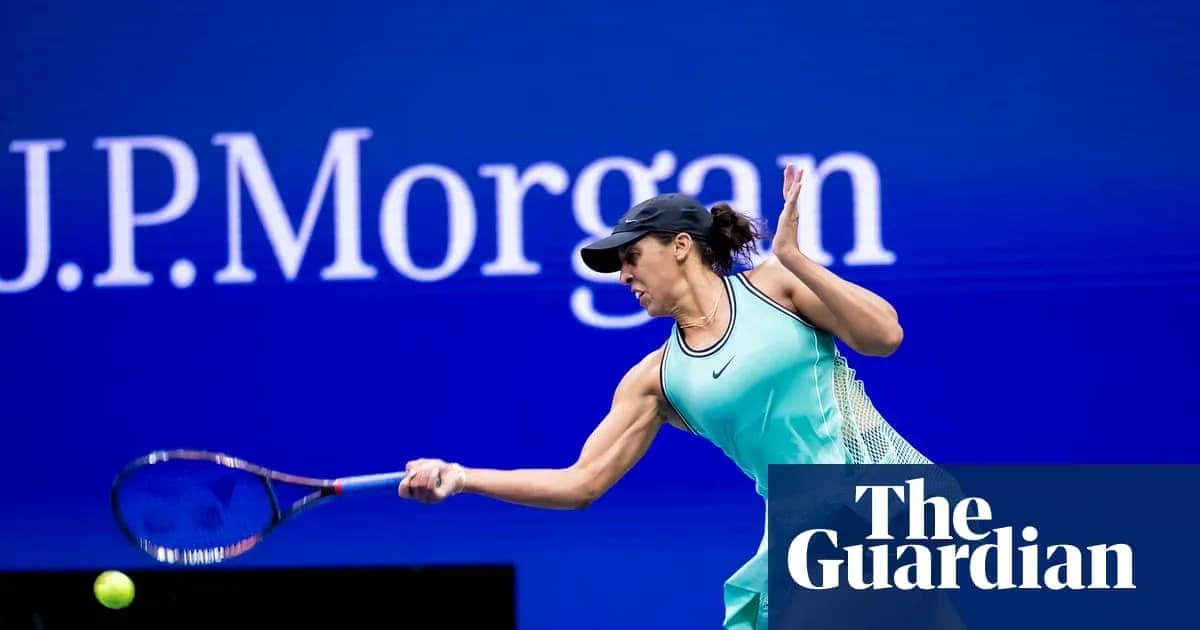
On a day when rain turned the US Open grounds into a maze of delays, damp warm-ups and fraying patience, Madison Keys had no such problems. She had Arthur Ashe Stadium, a roof over her head, and a job to do.
She did it with the kind of calm that only comes from a lifetime on tour.
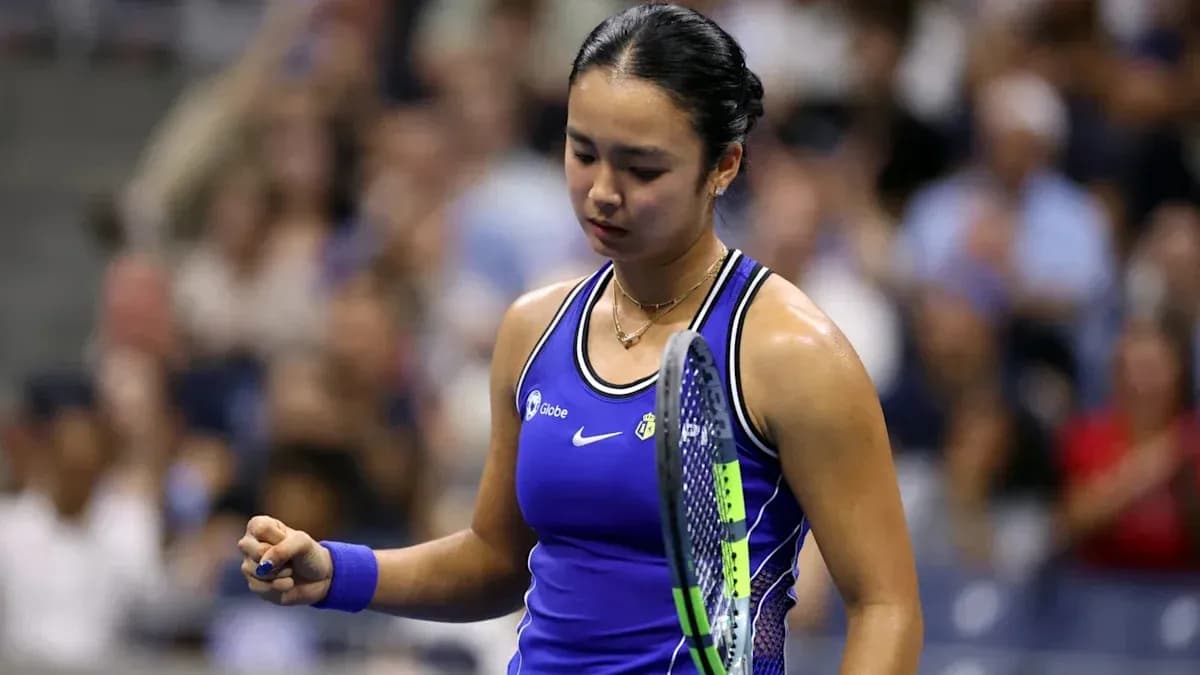
Keys opened her 15th US Open campaign with a controlled 7-5, 6-4 win over 17-year-old Alina Korneeva, navigating a tricky first-round test while much of the schedule outside was at a standstill. No drama, no flash collapse, no repeat of last year’s sting.
For a player who turned professional on her 14th birthday back in February 2009, this tournament has become something more than just another stop. It’s a measuring stick of who she was, and who she has become.
“I was thinking a little bit more about it just because the last couple of days everyone keeps reminding me that it’s my 15th US Open, which doesn’t feel possible because I’m so young,” Keys said, laughing, after closing out Korneeva.
Fifteen appearances. A 2025 Australian Open singles title on her résumé. And now, the realisation that she has officially spent the majority of her life working as a professional tennis player.
“It’s just I think that in a lot of ways it’s been a huge blessing I started so young,” she said. She talked about being thrown into the sport’s chaos before she truly understood the scale of it, learning on the fly while the world watched. “I really got to get into it at such a young age and when I didn’t really even understand what was going on, so I was able to just kind of experience it in a really different way.”
Then came the line that sounded like someone looking at old photos and barely recognising the person in them.
“I feel like as a person I’ve changed a lot throughout the years and kind of just evolved as a person while getting to kind of do the same job.”
That evolution made Tuesday’s win feel especially important. A year ago, Keys walked out of New York bruised by one of her most painful exits here, a first-round loss to world No 82 Renata Zarazúa. The kind of defeat that lingers in a player’s mind when the next edition of the same tournament rolls around.
This time, she kept a young opponent at arm’s length. Korneeva, still early in her journey, pushed hard in patches but never quite broke Keys’s rhythm. The American’s serve held firm when it mattered; the forehand did the talking at the right moments. In a jittery first round, that steadiness is gold.
Keys knows exactly why those opening matches feel so fraught.
“You can kind of feel [the tension] as the days are getting closer,” she said, lifting the curtain on the locker-room mood as the draw looms. “Everyone gets here, you have a week, everyone is excited to be here, and then as the days are slowly getting closer to first rounds, rackets are maybe getting a little slippery, you can hear more yelling happening, and you can kind of feel the tension.”
The way she described it, the anxiety is almost contagious.
“I think collectively we all just get really anxious. We’re probably feeding off of each other as well, but we all want to do well. It all feels like I think the buildup is always so hard, just because you’re so in it and you’re anticipating the tension that’s going to happen and the anxiety that’s going to happen. So it’s definitely very relevant and very real.”
On a wet New York afternoon, under a closed roof, she managed to cut through that noise. One win down. The old scars from last year, at least for now, pushed into the background.
Rybakina’s quiet march toward No 1
On the outside courts, when play allowed, Elena Rybakina took a step toward something far bigger than just a second-round berth.
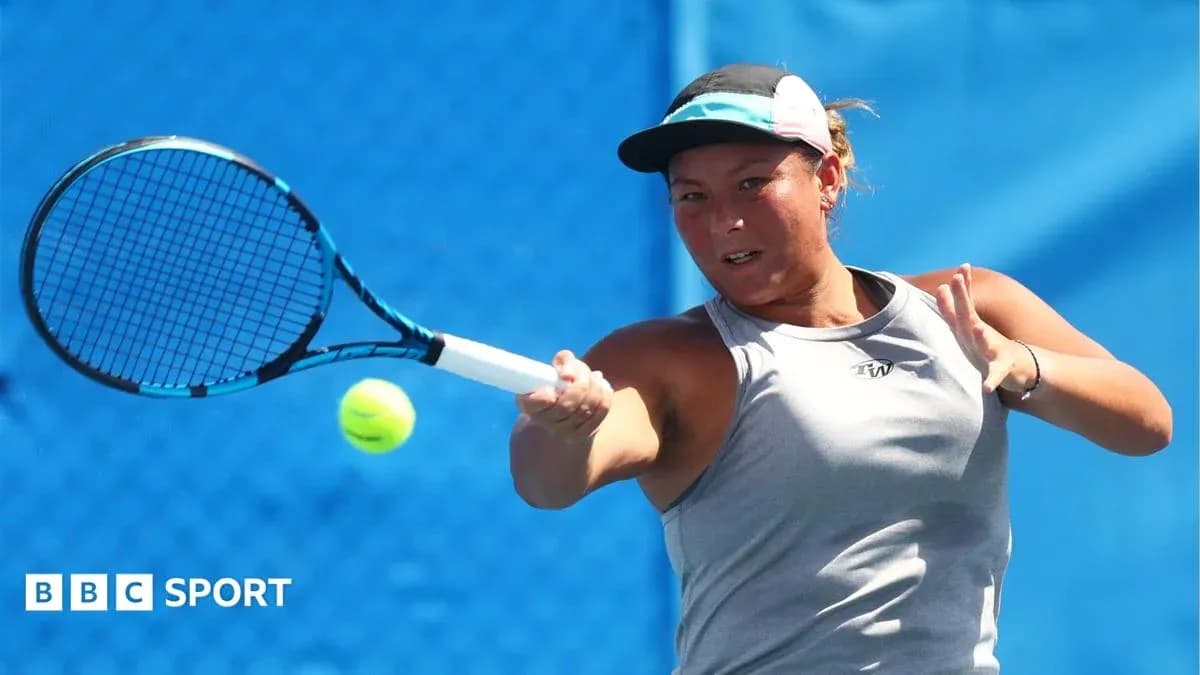
The Wimbledon champion eased past American wildcard Thea Frodin 6-3, 6-2, a clean, businesslike performance against a 17-year-old still learning what this level demands. The scoreline told the story: Rybakina never looked rushed, never looked like a player still feeling the effects of a foot injury that forced her to retire in Cincinnati against Iga Swiatek.
If there were doubts about that injury, she did not show them here.
The stakes for her fortnight are clear. In the live rankings, Rybakina already sits at No 1. To make that status official and become world No 1 for the first time in her career, she needs to reach the semi-finals in New York – and she needs help. Aryna Sabalenka, Jessica Pegula and Coco Gauff must all fall short of the title.
It’s a delicate equation. One Rybakina can only partly control. What she can do is keep winning matches like this, quietly tightening her grip on the biggest prize in the ranking game.
Cobolli digs himself out of a hole
The drama belonged to the men’s draw.
On another court, fifth seed and French Open finalist Flavio Cobolli found himself staring at the kind of early exit that can wreck a campaign before it even begins. Francisco Comesaña came out blazing, took the first two sets 6-3, 6-2, and had Cobolli on the ropes.
Then the match flipped.
Cobolli clawed his way back with a 6-3 third set, then turned the screw. The Italian’s level rose, Comesaña’s grip loosened, and the scoreboard slowly swung the other way: 6-4, 6-4 in the final two sets, a 3-6, 2-6, 6-3, 6-4, 6-4 comeback that will sit near the top of his personal highlight reel.
For a recent Roland Garros finalist expected to go deep, surviving a scare like that can do more than just extend a stay in the draw. It can harden belief, sharpen focus, and remind everyone else in the locker room that he is not going away quietly.
On a rain-soaked first day in New York, Keys’s composure, Rybakina’s precision and Cobolli’s defiance cut through the gloom. If this is the opening act, what will the second week look like?