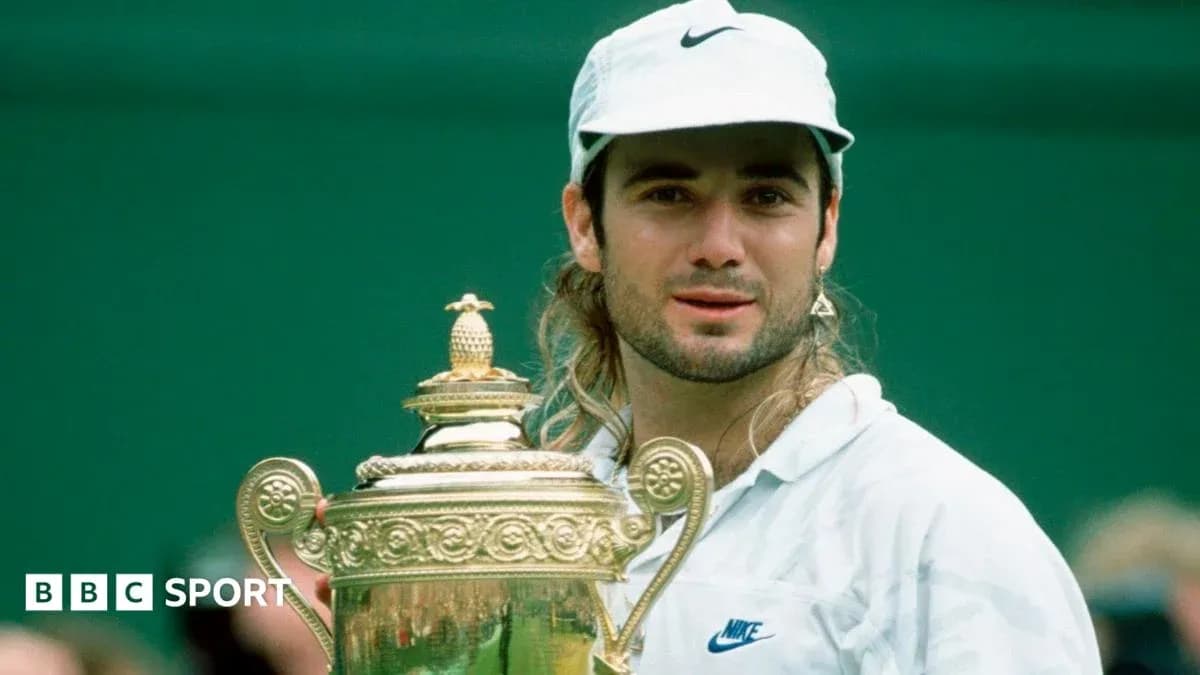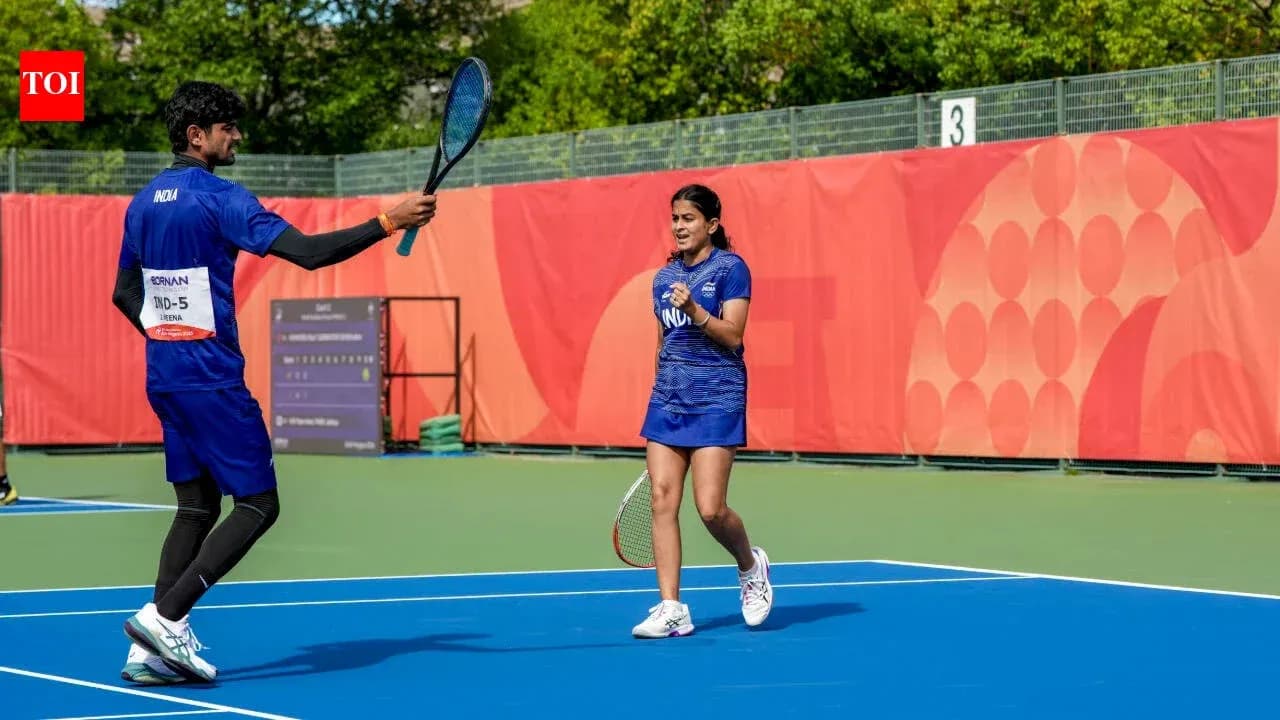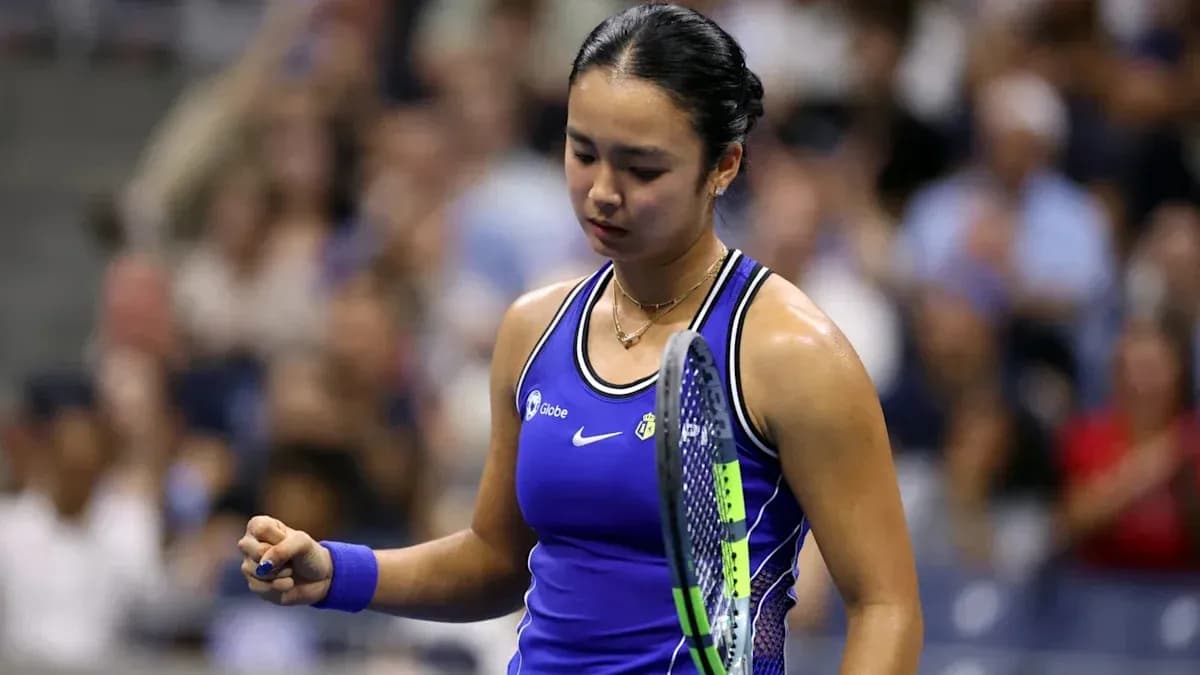
On the men’s tour, talent is the entry fee. Athleticism, commitment, hours on the practice court – they get you through the gates. They do not, on their own, put your name on a Grand Slam trophy.
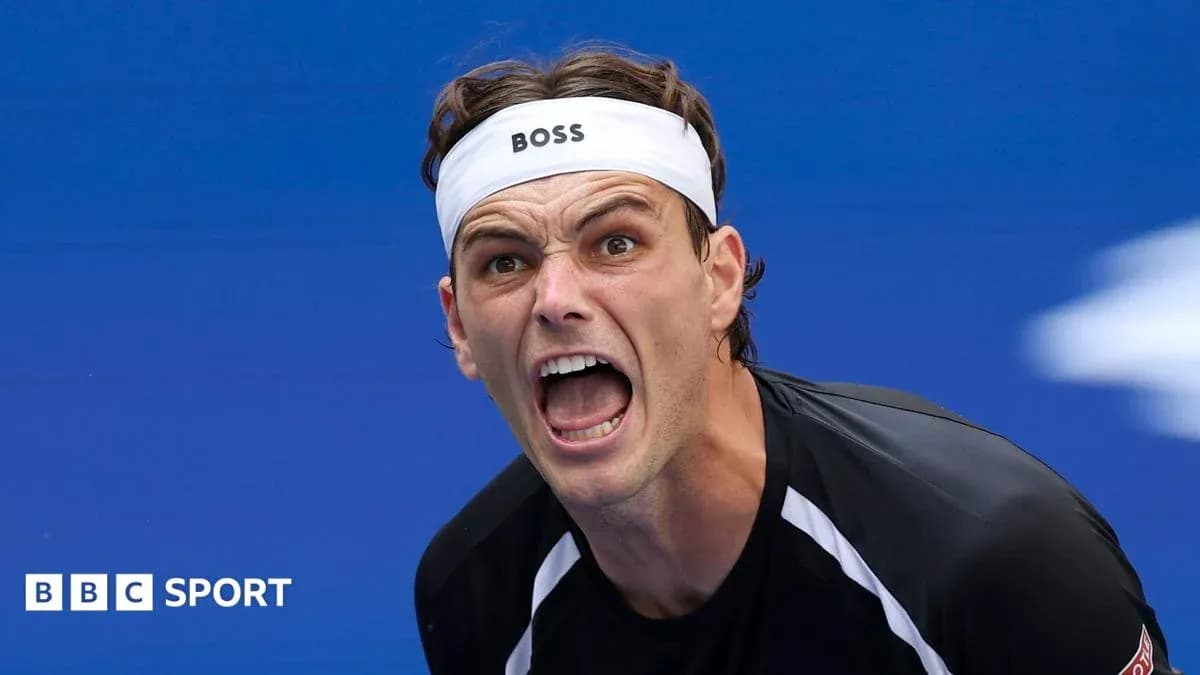
What separates the few from the many is something harder to measure: the absolute conviction that, under the brightest lights, you will beat whoever stands across the net. Not hope. Not vague belief. Something closer to what Taylor Fritz, with a wry honesty, has called “delusion”.
The American, world number 10, is part of a generation still waiting to turn that “delusion” into a defining fortnight. This US Open was supposed to be one of his best chances. Jannik Sinner stayed home, injured. Carlos Alcaraz arrived in New York still feeling his way back after a long lay-off. The draw looked open. Vulnerable. There for the taking.
It hasn’t played out that way.
By the time the fourth round rolled around at Flushing Meadows, six of the top 10 seeds were gone. Fritz was one of the first big names to fall, throwing away a two-set lead against Argentina’s Francisco Cerundolo in the third round. A match that should have been a statement turned into a scar.
On Sunday, another pillar of the draw crashed out when former champion Daniil Medvedev lost in the last 16. The attrition has left just three top-10 players standing: top seed Alexander Zverev, defending champion Alcaraz and eighth seed Ben Shelton.
“It shows you how even the circuit is, how tight every match is, how difficult it is to win matches,” said 24th seed Cerundolo, who has surfed that chaos better than most. “Anything can happen right now.”
He is right. But the picture is more complicated than simple parity.
For two years, the men’s game has bent around Sinner and Alcaraz. Between them they have claimed 10 of the past 11 Grand Slam singles titles, a duopoly that has raised the standard and tightened the screws on everyone else. Every major that slips away now feels heavier for the chasing pack.
Fritz admitted as much earlier this year, telling the Guardian he expects to feel an “emptiness” at the end of his career if he never wins one of these tournaments. That is the psychological tax of playing in this era: you are not just battling your opponent, you are wrestling with the fear of being left behind.
Zverev knows that strain intimately. The world number two finally cracked the code in Paris this year, lifting his first major at Roland Garros. Only then did he reveal the toll of the near-misses – Slam fortnights spent unable to sleep, barely eating, consumed by nerves.
Once he broke through, his tennis loosened. He rode that freedom all the way to the Wimbledon final, where he ran into Sinner and fell short again, but without the same suffocating weight. In New York, the 29-year-old German is not playing his cleanest tennis, yet he is still moving through his half of the draw, grinding, surviving. Ahead of him, though, the outline of Alcaraz grows sharper with every win.
“The two-horse race between Sinner and Alcaraz is not healthy for the tour,” said former Wimbledon champion Pat Cash on BBC Radio 5 Live. “With every win, Alcaraz is becoming more of a favourite. Four months off, no matches and he could win the US Open.”
That is the scale of the Spaniard’s aura: four months on the sidelines, and he still walks into Arthur Ashe Stadium as the man nobody wants to see.
Pressure alone, though, does not explain why seeds have been tumbling like this.
Strip Sinner and Alcaraz out of the equation and one argument rings out: the current top 10 is softer than it has been in years. The names carry weight, but not the same inevitability. On top of that, this US Open arrives at the tail end of a brutal season. Bodies are frayed. Minds even more so.
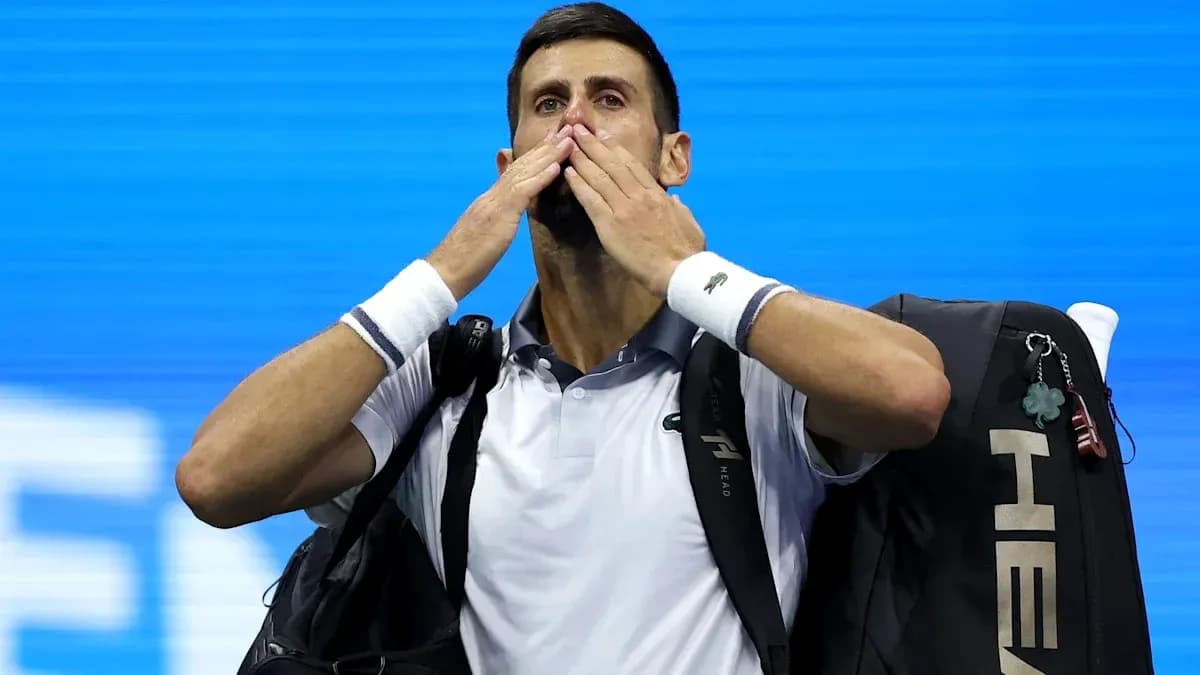
Fourth seed Novak Djokovic, who once seemed indestructible at this level, saw his ageing body betray him in a shock first-round defeat. Third seed Felix Auger-Aliassime blamed dizziness for his second-round exit. Fifth seed Flavio Cobolli spoke openly about running out of energy in the third round, pointing to a heavy schedule and New York’s draining heat.
Cincinnati champion Arthur Fils came in hot, then ran into former world number three Stefanos Tsitsipas and lost a knife-edge first-round match. Teenager Rafael Jodar, already past 50 matches in his first full season on tour, looked spent in his opening defeat.
“The season is long. I think all the guys who performed well in the preparation tournaments have it more difficult here,” said Belgium’s Alexander Blockx, who took out French Open finalist Cobolli. “We’re all human. We’re not robots. Every week is difficult. Especially at a Grand Slam where it gets even more physical. Mentally you have to really stay in it.”
That last line could hang over the entire tournament. Staying in it – mentally, physically, emotionally – for seven matches is what separates the champions from the nearly men.
The strain is not confined to the men’s side either. At Flushing Meadows, four leading women are locked in a separate battle, one that runs parallel to the title race: the fight for the world number one ranking.
Aryna Sabalenka has held top spot for the past two years, a period of sustained excellence that gave the women’s game a clear reference point. Recently, though, her form has dipped and the pack has closed in. Her ranking is under serious threat.
Elena Rybakina does not need a calculator to know the equation. Reach the semi-finals and she is guaranteed to move past Sabalenka. Jessica Pegula and Coco Gauff sit just behind, waiting to pounce if either of them can string together a title run in New York.
“Looking at the difference between the points in the top 10 compared to the men, you can see how the depth is pretty crazy,” Pegula said. “Everyone has been very consistent and makes it hard to a certain extent [to win a Slam]. But then you know there’s not one or two super dominant players where you feel like they have to lose in order for you to have a chance.”
On the women’s tour, depth is the story. On the men’s, it is the shadow of two young giants and the scramble beneath them.
Between those poles, careers are being defined. Some will find that extra layer of belief, that so-called “delusion”, and break through. Others will look back at weeks like this one in New York and wonder how many more chances they will get.