INDIAN WELLS, Calif. — One match, one trophy, one last swing at a season that has already bent the arc of the women’s game.
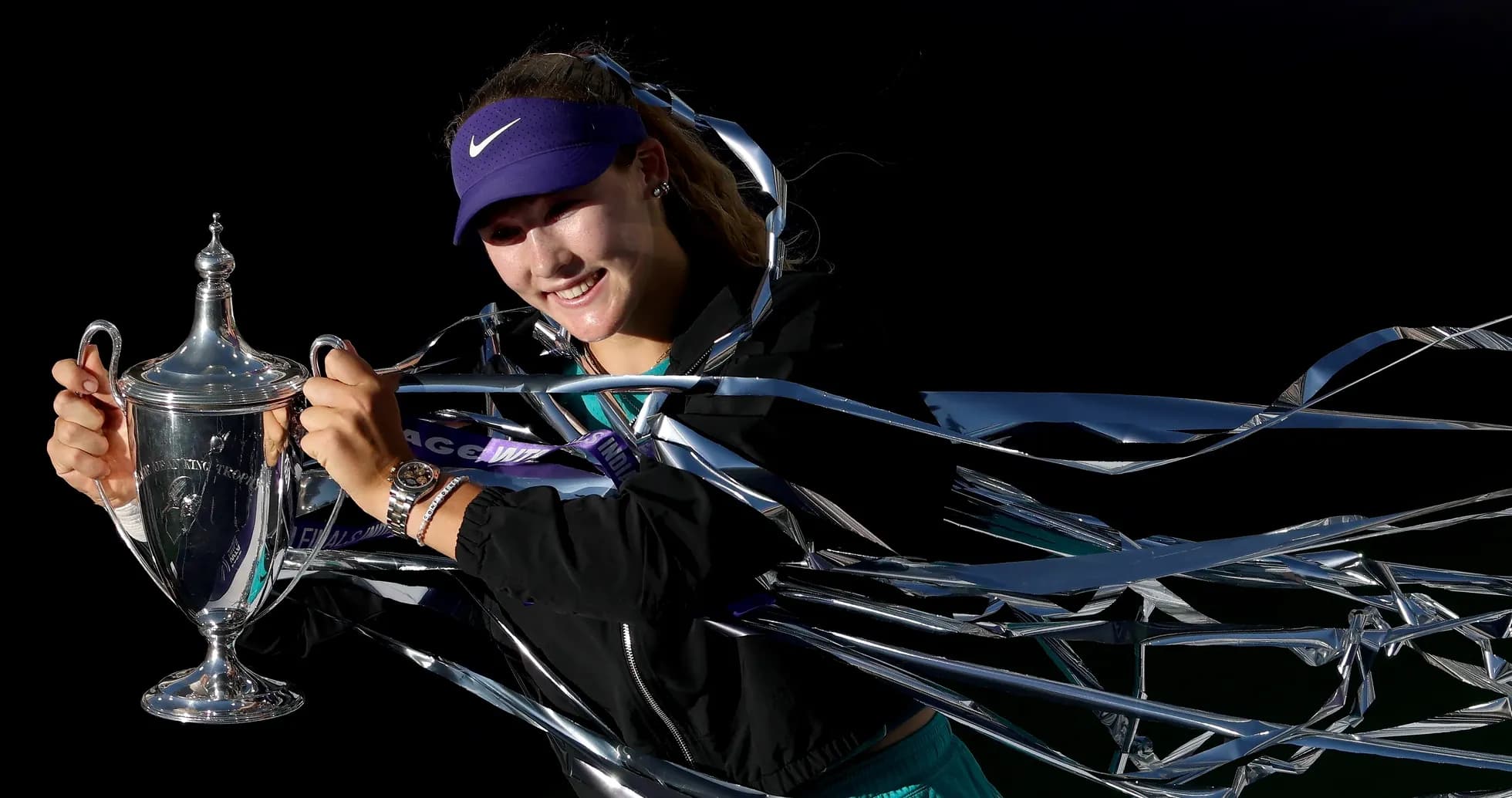
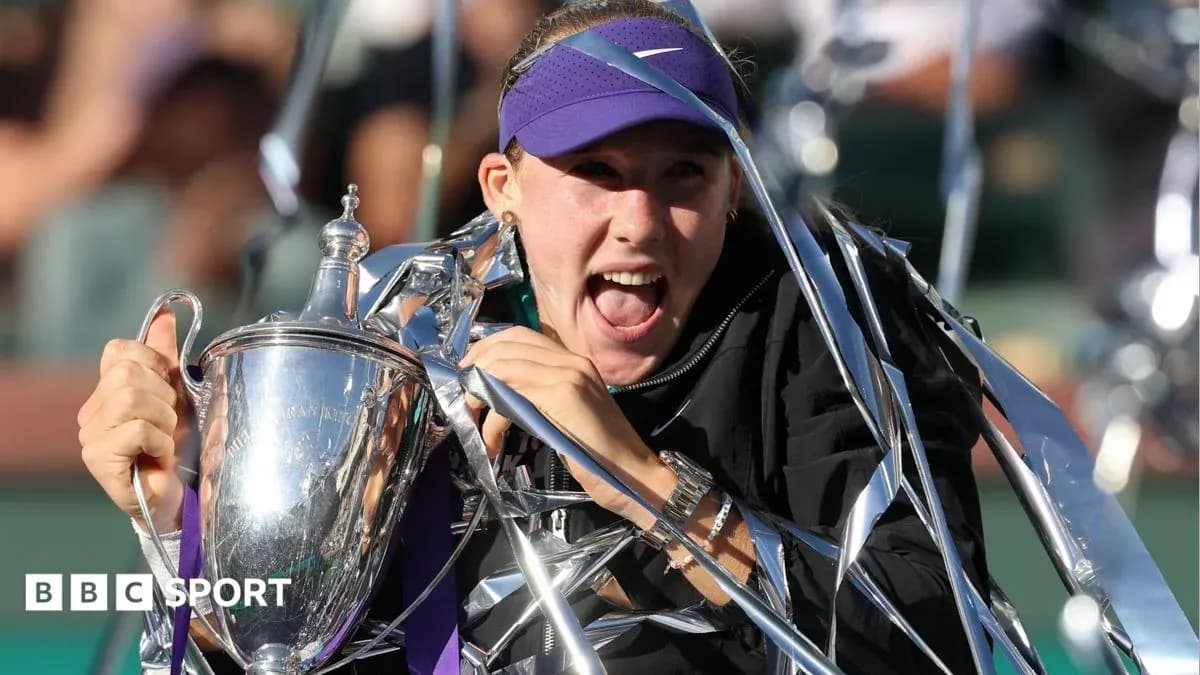
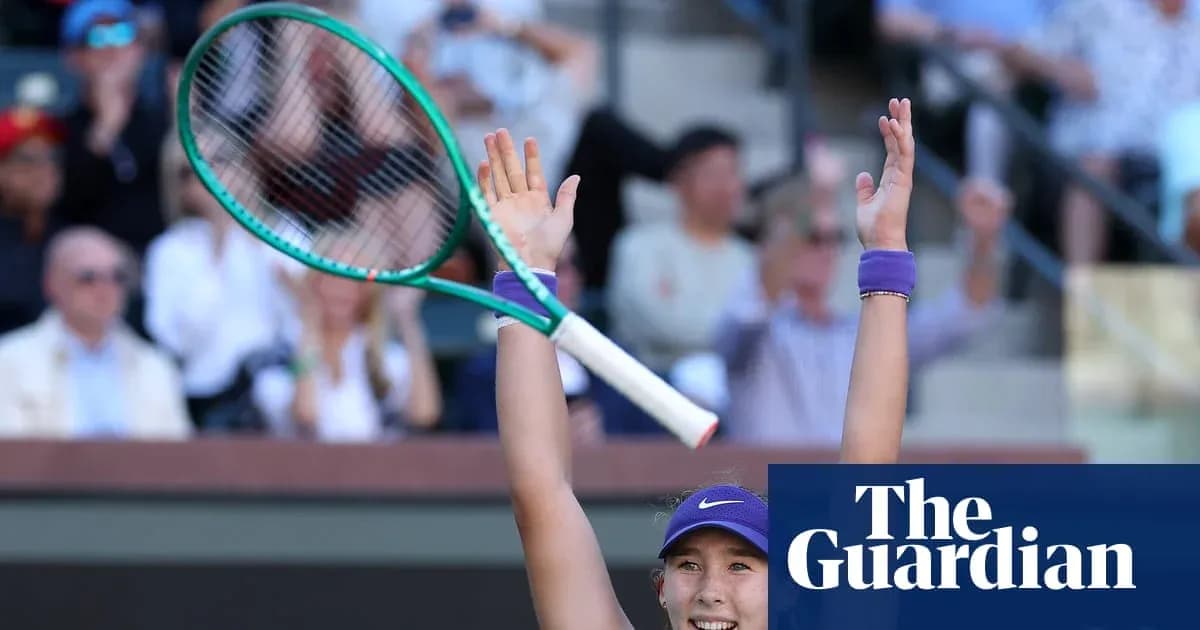
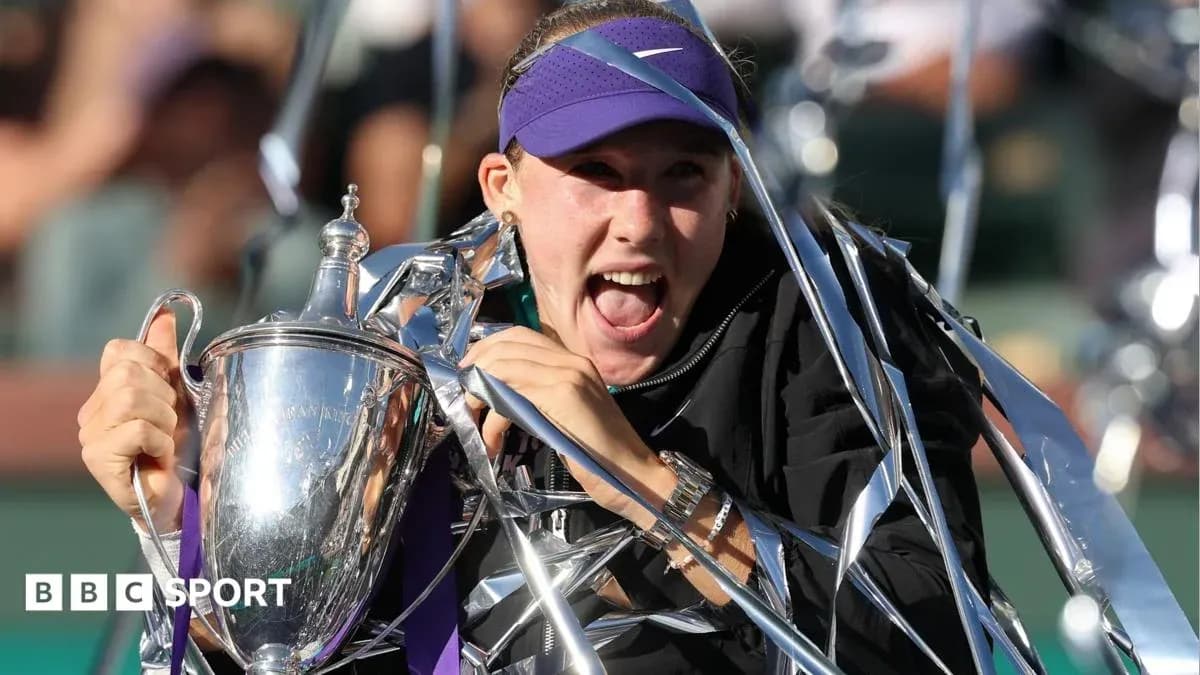
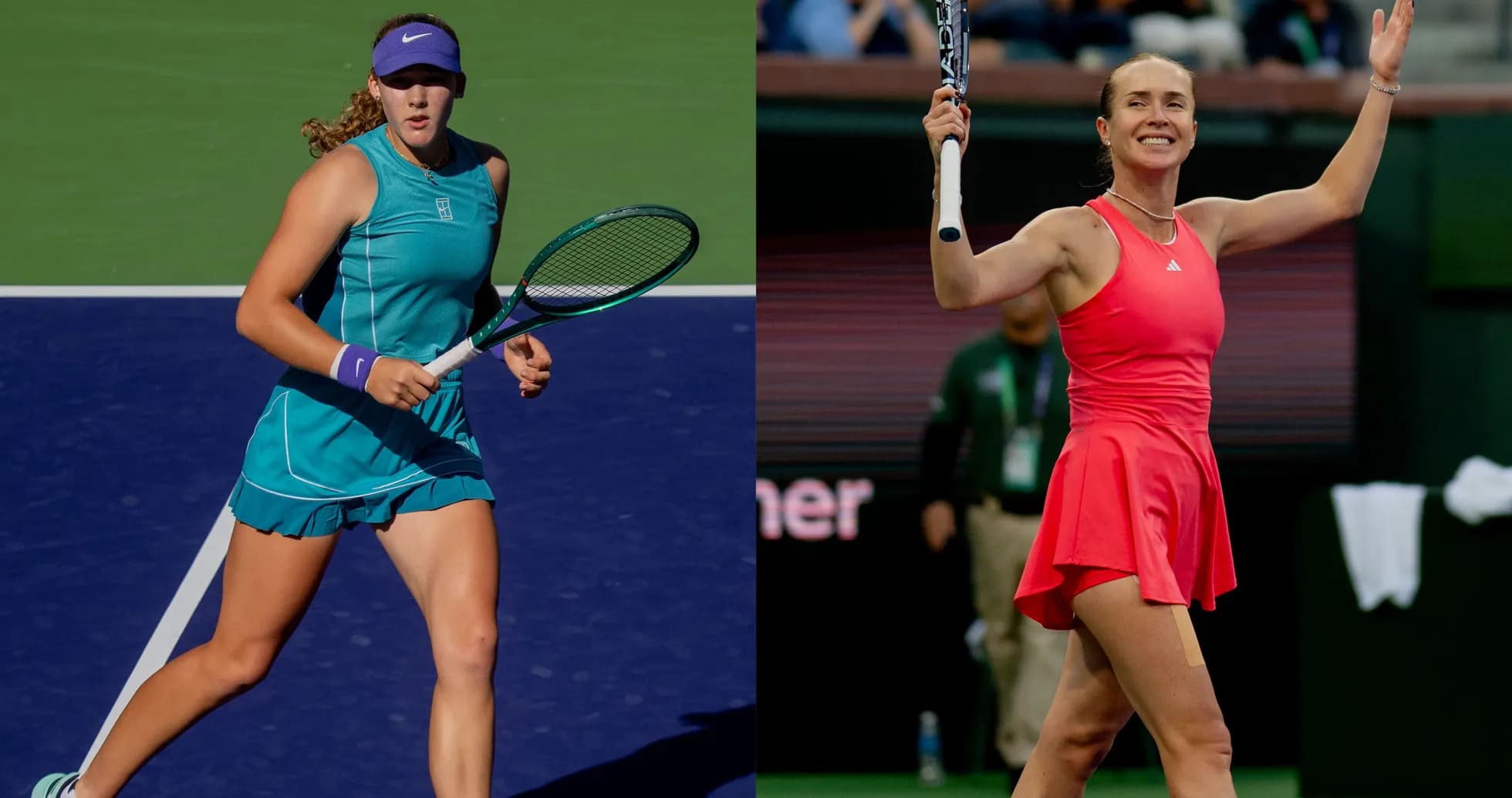
On Sunday in Stadium 2 at Indian Wells Tennis Garden, 17-year-old Mirra Andreeva walks into the FAGE WTA Finals championship with an unbeaten record, a streak of straight‑set wins, and the air of a player who has made the elite season finale look like a personal playground. Across the net: Elina Svitolina, back on this stage for a third time, carrying the scars and the savvy of a veteran who knows exactly what it takes to leave with the Billie Jean King trophy.
They’ve seen this matchup already this week. That only adds fuel.
A final with history on the line
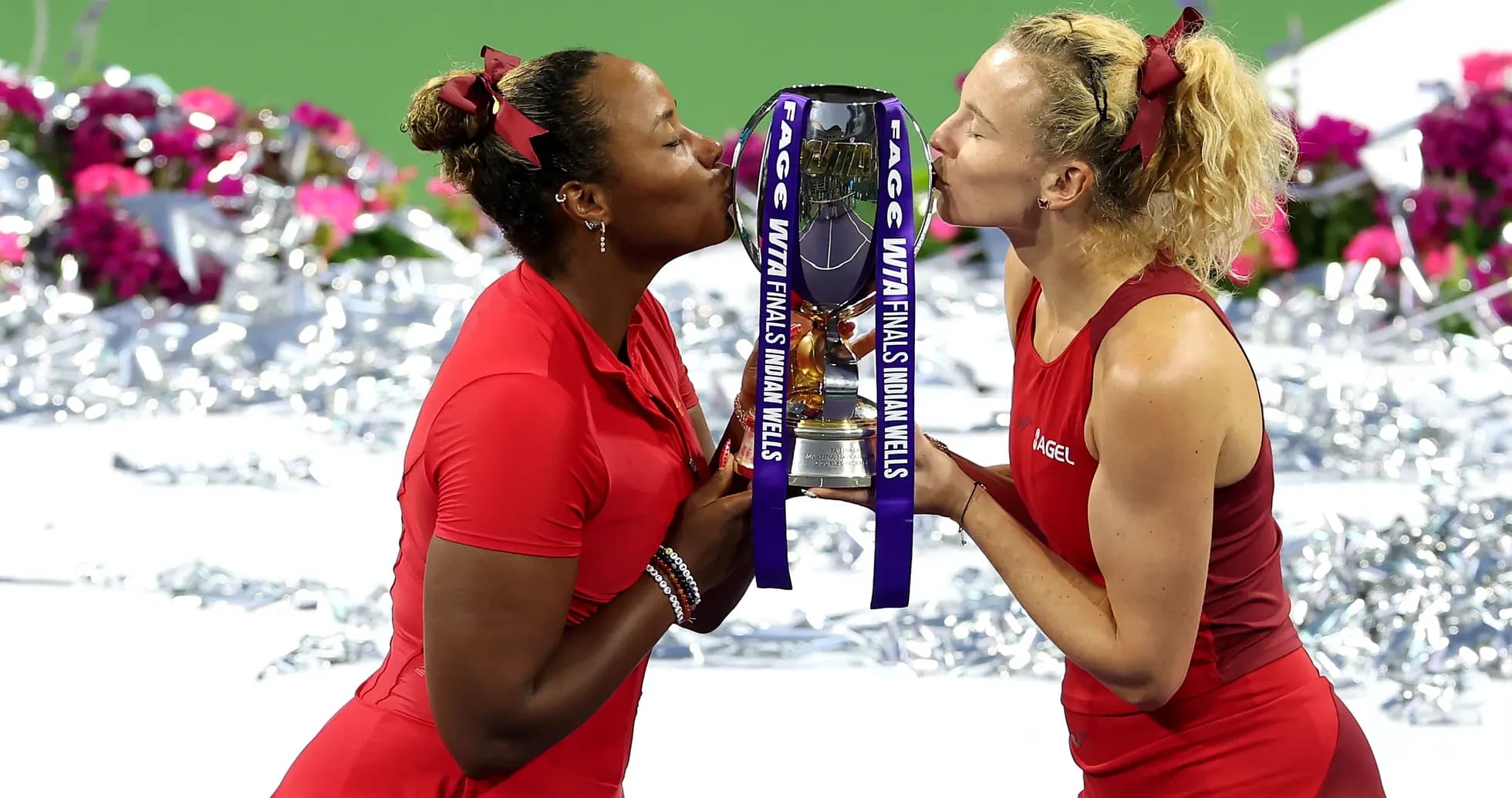
Play starts at 12 p.m. local time in Indian Wells (3 p.m. EST, 8 p.m. GMT, 9 p.m. CET). Singles goes first, followed by the Billie Jean King trophy presentation. The doubles final rolls in after that, with the Martina Navratilova trophy closing the 2026 season under the desert sun.
Andreeva arrives having torn through the round‑robin like no one before her in this format. Since the WTA Finals adopted group play in 2003, no player has reached the title match dropping fewer games than her 18. She hasn’t lost a set all week.
Her path reads like a statement of intent:
- Def. [6] Elina Svitolina 6-4, 6-0
- Def. [2] Aryna Sabalenka 6-4, 6-0
- Def. [10] [ALT] Diana Shnaider
- Semifinal: def. [5] Jessica Pegula 6-3, 6-4
The numbers are stark. The tennis has been even more ruthless. When she beat Svitolina in their Group 2 opener, Andreeva closed the match with a 10-game surge, turning a tight first set into a rout.
Yet the WTA Finals has a habit of flipping scripts.
Since the round‑robin format returned in 2003, seven group‑stage clashes have been replayed in the final. Four times, the loser in the group turned the tables when it mattered most:
- 2005: Mary Pierce won in the group, Amelie Mauresmo took the title.
- 2006: Mauresmo won in the group, Justine Henin took the title.
- 2014: Simona Halep crushed Serena Williams in the group, Serena responded in the final.
- 2016: Angelique Kerber beat Dominika Cibulkova in the group, Cibulkova stunned her for the trophy.
Svitolina would love to add her name to that list.
Svitolina’s seasoned surge
Her week started with that bruising loss to Andreeva: 4-6, 0-6. It could have broken the campaign. It didn’t.
She steadied, recalibrated, and then went hunting.
- Def. [7] Karolina Muchova 3-6, 6-2, 6-2
- Def. [2] Aryna Sabalenka 6-3, 3-6, 6-1
- Semifinal: def. [8] Linda Noskova 6-2, 6-1
That run has pushed Svitolina into her third FAGE WTA Finals championship match. She already owns one title here, from 2018 in Singapore. This time, she brings a season built on heavyweight scalps: 11 wins over top‑10 opponents, the most on tour this year and tied with her career best from 2017. Beat Andreeva on Sunday and she sets a new personal high.
She also joins rare company. Svitolina is the 14th player ever to reach at least three WTA Finals championships since the event began in 1972. Among those 14, only she and Gabriela Sabatini have done it without ever holding the World No.1 ranking. It’s a resume that has been built the hard way, one big match at a time.
The teenager rewriting the script
Andreeva, meanwhile, is busy bending history to fit her timeline.
She is the second‑youngest player in FAGE WTA Finals history to win her first four matches at the event, older only than Chris Evert, who did it at 17 back in 1972. A win on Sunday would take Andreeva to 55 victories this season, the most on the WTA Tour, and cap a year in which she has reached six finals, matching Elena Rybakina for the tour lead.
Her tennis this week has been defined by clarity and conviction. The hesitation that sometimes crept into her game earlier in the year has largely vanished.
“What I’ve been doing well is trying to take the initiative first on the court,” she said, explaining the mindset that has powered her through Indian Wells. She admitted she can “tend to sometimes wait and see what happens” and “maybe be a little bit tentative” in other stretches of her career. Here, she has chosen a different path: trust, aggression, and a willingness to pull the trigger.
“Here I feel like I just trust myself more… maybe that’s also what helps me feel more confident,” she added. “Why not keep the same strategy?”
The one wrinkle? Facing an opponent for the second time in the same week, on the biggest stage of the season.
“I actually don’t know because it’s also the first time that it happens to me,” Andreeva admitted. She plans to lean on coach Conchita Martinez, whose experience in big finals is as deep as it gets. “She can try to give me some tips and some advice as to maybe how to approach this much better — if I should change anything, or if we just stick to the game plan that worked before.”
That decision — tweak or trust — may decide the title.
Stakes, dollars and horsepower
This final is not just about prestige.
Indian Wells has put $10 million on the table across the event, spread through match wins and participation fees. On Sunday, the financial and ranking stakes spike sharply.
For Andreeva:
- A perfect, undefeated campaign would be worth $3.37 million and 1500 ranking points.
- A loss in the final still brings $1.73 million and 1000 points.
For Svitolina:
- With one group‑stage defeat already on her record, her maximum haul is $3.14 million and 1300 ranking points.
- A runner‑up finish earns her $1.5 million and 800 points.
At the WTA Finals, 1500 points is the ceiling for any player or team in the PIF WTA Rankings: 200 points for each round‑robin win, 400 for the semifinal, 500 for the championship. How those points reshape the rankings depends on what each player is defending from the same week last year.
There’s also a gleaming symbol of status waiting courtside.
The singles champion will be handed a one‑of‑a‑kind MANUFAKTUR Made to Measure Mercedes‑AMG SL 55 4MATIC+ in the WTA’s iconic purple, presented during the trophy ceremony. The doubles champions, whose final will follow the singles festivities, will drive away with a 12‑month complimentary Mercedes‑Benz lease.
A season’s story in one match
Strip away the numbers, the dollars, the car, and what’s left is a pure sporting question.
Can a 17‑year‑old, in her first WTA Finals, maintain the composure and courage that have carried her through four flawless matches and close the year as the player with the most wins on tour?
Or does a seasoned campaigner, hardened by years at the top and already a champion at this event, use all that experience to flip a group‑stage beating into a title‑winning response?
By Sunday afternoon in the desert, the answers will be written in the scoreboard, the rankings, and the shape of the 2027 season to come.