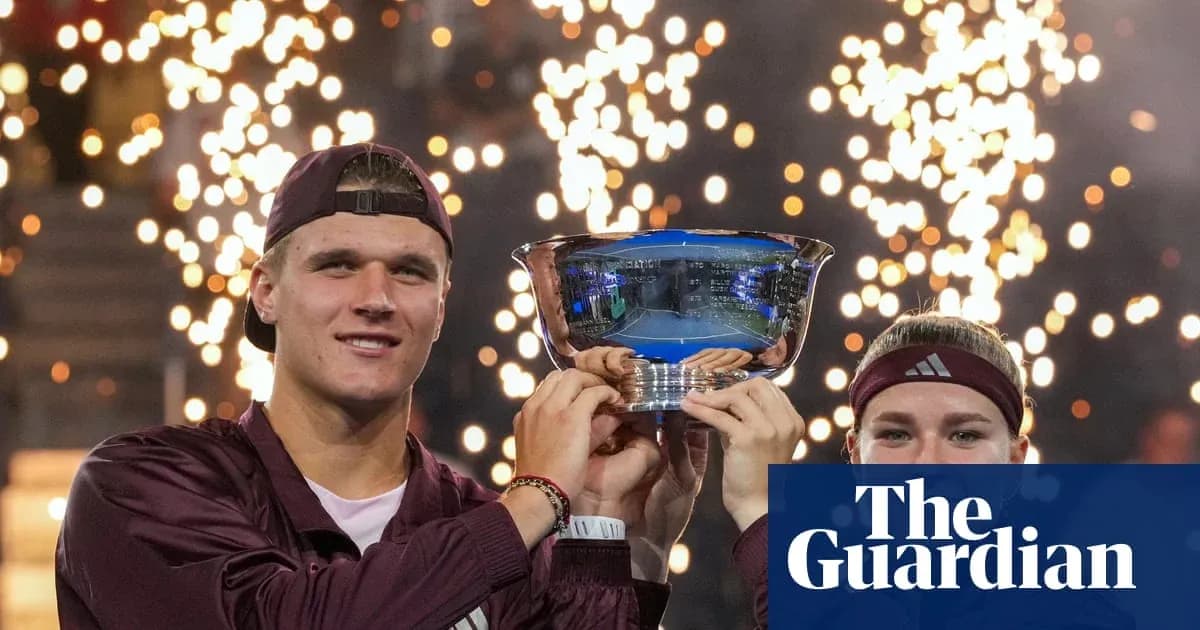
Under the Arthur Ashe lights, with most of the star power already gone and the million-dollar cheque still unclaimed, Karolína Muchová and Jakub Menšík turned a sideshow into a statement.
They walked out as singles players moonlighting in mixed. They walked off as US Open champions.
The Czech pair beat Belinda Bencic and Flavio Cobolli 6-3, 1-6, (10-6) on Wednesday night, surviving a brutal schedule, a surging opponent and a format designed for chaos. It was past 11.30pm when Menšík’s seventh ace sealed it on triple championship point. The crowd had thinned. The noise had not.
From Serena and Alcaraz to the ones left standing
For many who poured through the gates earlier in the week, the real attraction had already come and gone. Serena Williams, back on a match court for the first time in four years, and Carlos Alcaraz, returning after a four-month layoff with a wrist injury, were the mixed doubles headline acts. Both went out in the quarter-finals.
To those who stayed in the draw after the marquee exits, the real show was always going to be Wednesday night’s final. One match. One million dollars. One last chance to own Arthur Ashe before the singles circus begins.
Muchová and Menšík grabbed it.
Their title run capped a mixed doubles event that, for once, belonged to singles names rather than doubles lifers. The Czechs edged Mirra Andreeva and Andrey Rublev 5-4 (8-6), 3-5 (11-9) in a knife-edge semi-final. On the other side of the draw, Bencic and Cobolli squeezed past Elina Svitolina and Gael Monfils 4-5 (7-9), 4-1 (10-5). Both semi-finals ran past an hour, both were decided in match tiebreaks, and both left barely any oxygen in the stadium before the final began.
For Muchová, these were her first competitive swings since losing the Wimbledon final in June. “This format of a tournament, it went really quickly,” she said. “I’m obviously super happy that we managed to win. It was not my expectation.”
No one watching the way she finished would have guessed.
A controversial experiment finds its edge
This version of mixed doubles is still finding its place at Flushing Meadows. The event was reimagined last year to lure the sport’s biggest names: moved to the week before the singles, prize money ramped up from $200,000 to $1m, field cut to just 16 teams. The money spoke. So did the backlash.
Doubles specialists, squeezed out of the draw, questioned whether a sprint of four-game sets, no-ad scoring and a 10-point match tiebreak at the end should carry the same grand slam weight as the traditional format. The 2025 champions, Sara Errani and Andrea Vavassori, were pure doubles players, yet the grumbling never really stopped.
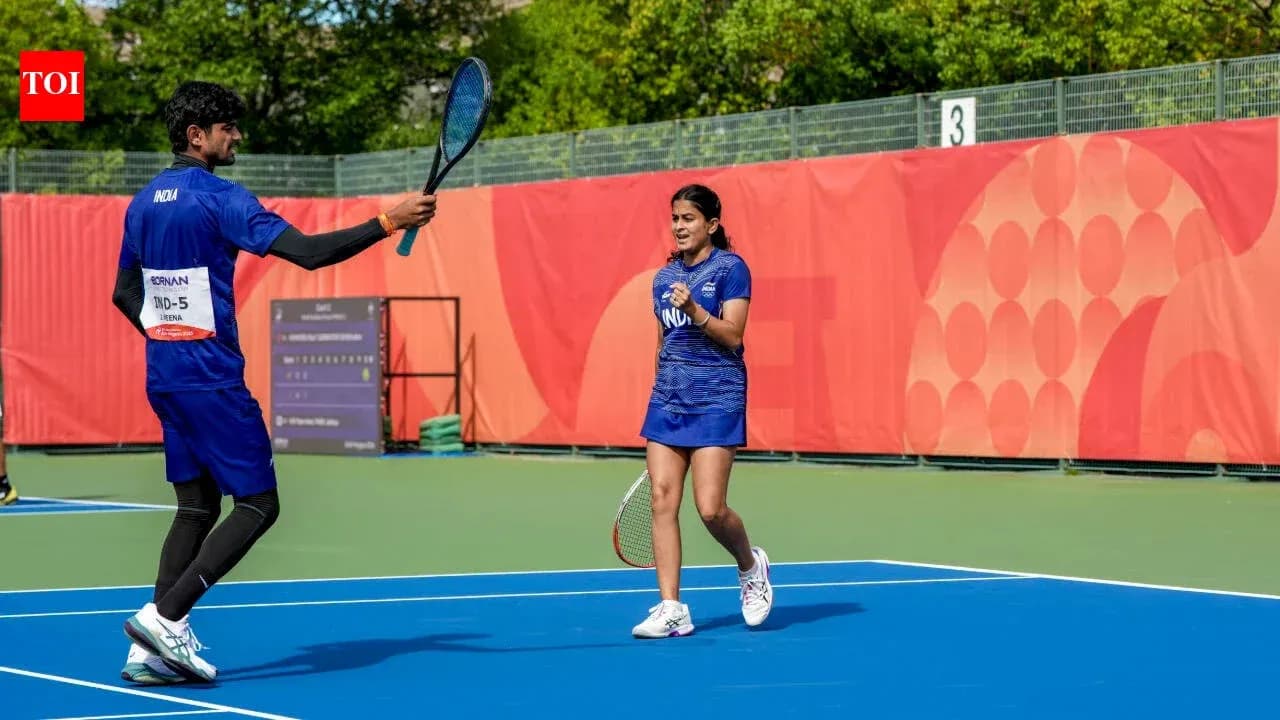
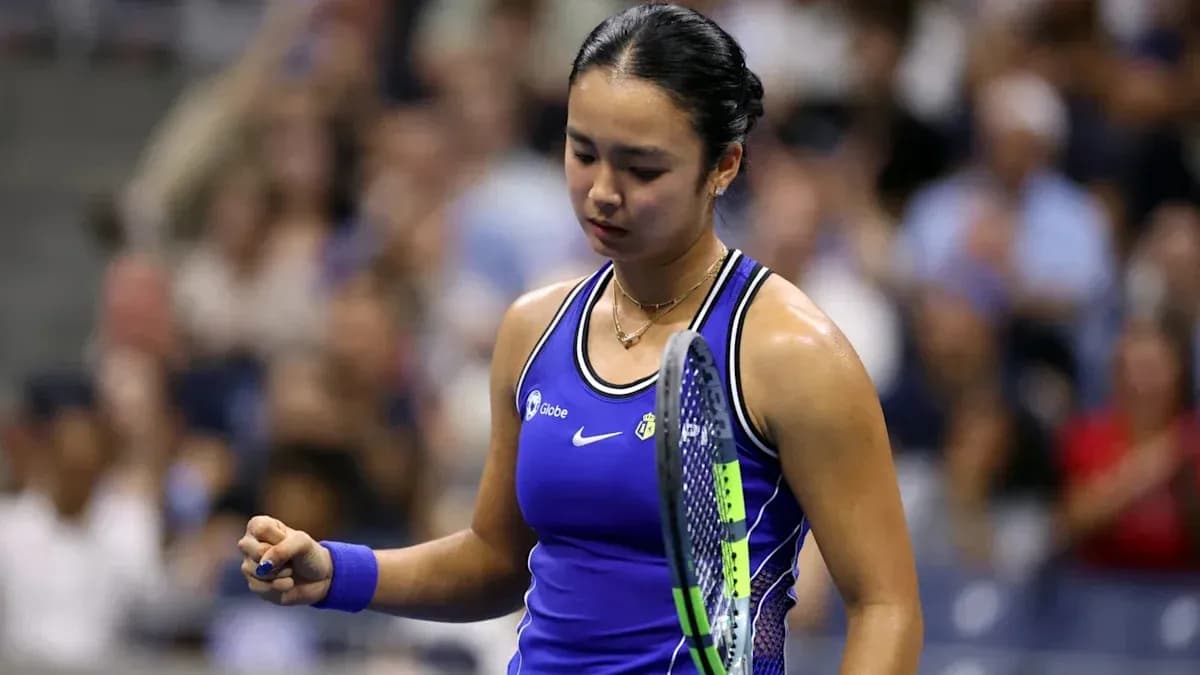
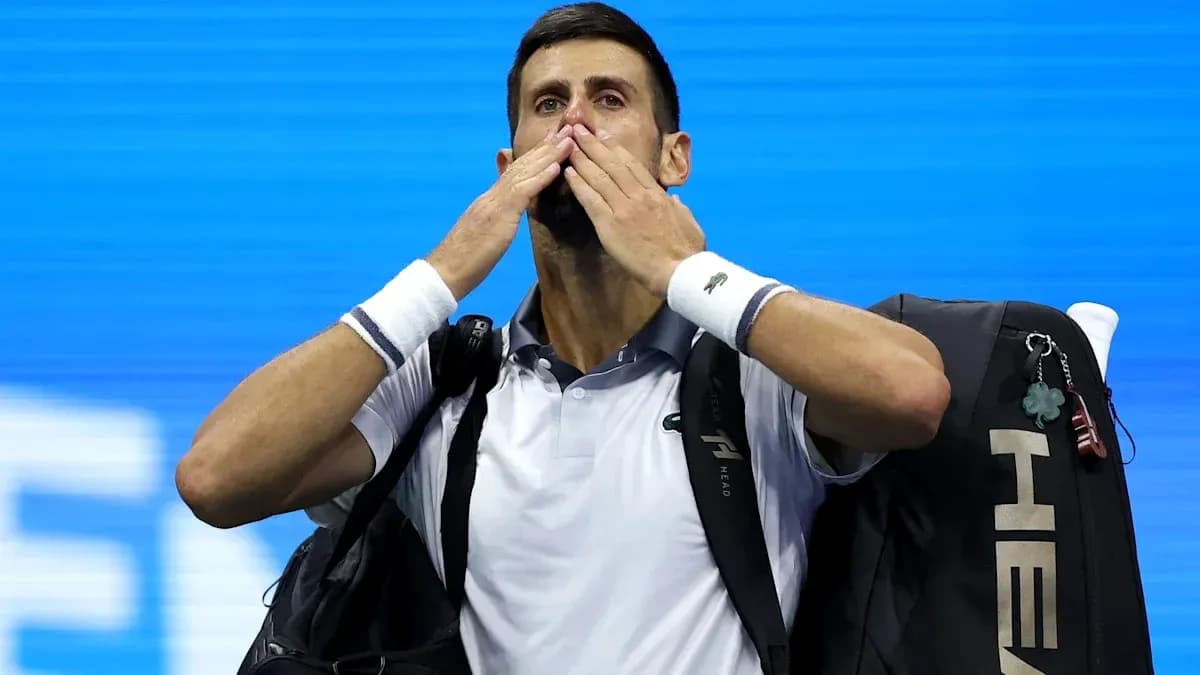
Tournament organizers tweaked again this year. An eight-team qualifying draw opened the door for more specialists, while the main event leaned hard into its showpiece status. It worked. Serena’s return to New York for the first time since her emotional 2022 farewell packed the stands. Novak Djokovic, Aryna Sabalenka, Felix Auger-Aliassime and Alex Eala all dipped a toe in, then crashed out in round one.
By Tuesday night, every doubles specialist team was gone by the quarter-finals. The field that remained wasn’t built on pedigree. It was built on personality.
Beer, maroon, and a married semi-final
The semi-finalists embraced the looseness of the format. Asked how she’d spend the gap before the final, Bencic deadpanned: “Beer.” Cobolli’s face flickered between horror and amusement.
Muchová and Menšík turned their partnership into a visual statement, too, rolling through matches in colour-coordinated pink-and-maroon kits. When Muchová first pitched the idea, Menšík had to ask what maroon actually was.
On the other side of the net, Andreeva and Rublev leaned into their own dynamic. Andreeva joked she used to have a crush on Rublev, nine years her senior. Now they were trying to take down a pair of Czechs who looked like they’d walked out of the same clothing catalogue.
Then there was Monfils and Svitolina. Married since 2021, parents to a three-year-old daughter, they had somehow never played doubles together before this week. Svitolina is world No 9; Monfils, ranked 307 and set to retire after this season, is here on a singles wild card. Neither has ever gone past a grand slam semi-final in singles.
In mixed, for a few nights, they looked like they might write a different story.
They took the opening set of their semi-final against Bencic and Cobolli in a tiebreak, grinding through long rallies and holding serve under pressure. At 7-7 in the breaker, Bencic’s backhand drilled her out-of-position partner, then Cobolli double-faulted to hand the set away.
Cobolli’s frustration was obvious as Monfils and Svitolina held to start the second. The Italian opened his next service game with another double fault, staring down triple break point and the brink. Then he flipped the script, saving all three, and in that single game the match turned.
Bencic and Cobolli broke in the third game from 0-40 down, broke Monfils again two games later without resistance, and as the clock ticked past an hour the French-Ukrainian pair simply ran out of legs. Despite Ashe roaring for them, they lost 21 of the last 26 points. The run was over. The theatre wasn’t.
Czechs survive a thriller, then the clock
The second semi-final was even tighter. Menšík, 6ft 5in and fearless at the net, drove forward at every chance. Muchová picked off returns with clean, flat strikes. They edged the first set in an 8-6 tiebreak, Muchová closing it with a delicate backhand volley that belonged on a highlights reel.
Andreeva and Rublev hit back. They hammered winners down the alleys, forced the Czechs into longer, more physical exchanges, and dragged the match into another deciding tiebreak.
The tension ratcheted up point by point. The Russians earned two match points. Menšík’s serve and Muchová’s nerve saved them both. From there, the Czechs sprinted, reeling off the last four points to steal it 11-9.
Then the clock became their opponent. Seventeen minutes. That was all the turnaround they got before walking back out for a million-dollar final under the same lights.
Initially, the lack of rest barely showed. Menšík kept pounding down aces, four of them in the opening set alone. The pair struck eight winners, controlled the baseline exchanges and pocketed the first set 6-3 with a calm that belied the schedule.
The match refused to stay on script.
Bencic and Cobolli, who had already ridden one momentum wave earlier in the evening, caught another. They targeted Muchová’s serve, and for the first time all night she wobbled. A break for 4-1 put the Swiss-Italian pair in full control of the second set. At 5-1, Bencic lashed a cross-court forehand winner in the seventh game to drag the final into a deciding tiebreak.
One set each. One sprint to 10. One million dollars.
Big serves, thin crowd, loud statement
The tiebreak belonged to the Czechs’ nerve. Muchová and Menšík landed their first serves when it mattered most; Bencic and Cobolli blinked. Three of four key points from the runners-up died in the net. On triple championship point, Menšík stepped up and uncorked his seventh ace of the night.
Title. Cheque. A trophy raised in front of a stadium that, by then, was more echo than cauldron.
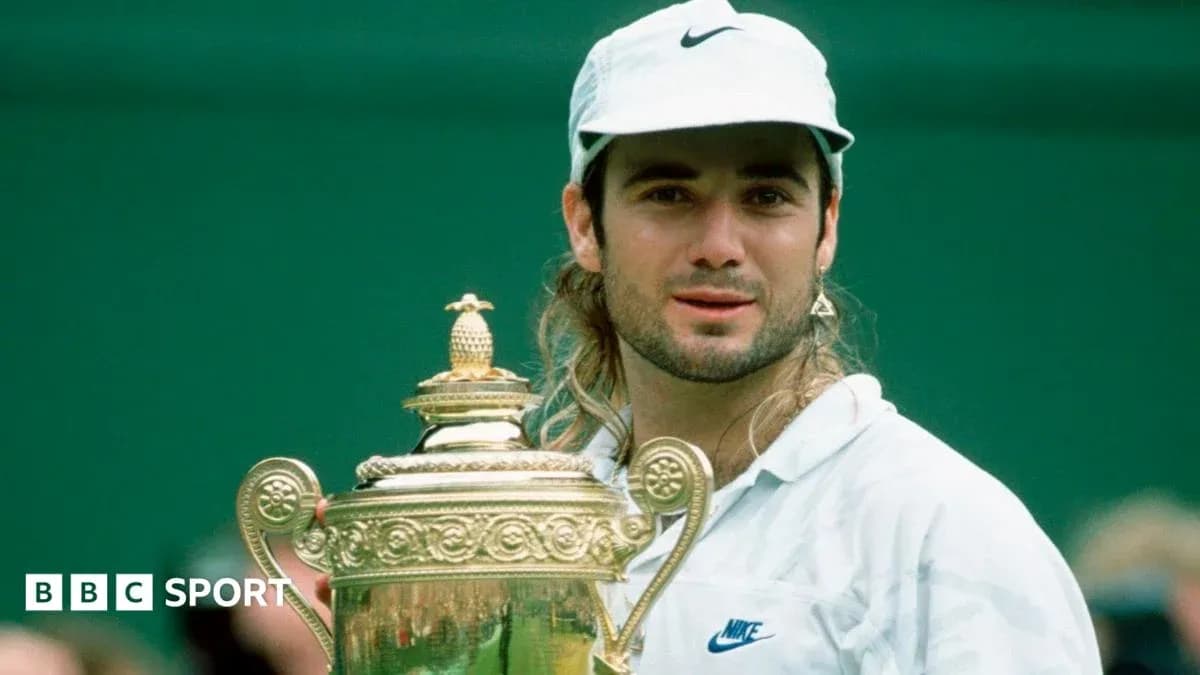
The earlier scenes told a different story. Ashe had been mostly full for the semi-finals. On Tuesday, it had been packed to the rafters for exhibition matches honouring Roger Federer, with Andy Roddick, John McEnroe, Andre Agassi and the 20-time major winner himself turning the court into a nostalgia tour. In practice, the US Open has quietly become a three-week event. Mixed doubles is no longer a quiet sideshow; it’s a curtain-raiser.
For Muchová and Menšík, though, this was never the main act.
Throughout their run they insisted their eyes were fixed on the singles draw. Muchová, world No 6, has already played two major finals and reached the semi-finals in New York. Menšík is in the middle of a career-best season and has yet to go beyond the third round here. Singles begins Sunday. The climb from mixed champions to singles contenders is steep.
Yet confidence travels.
“We had really great matches to play,” Menšík said, having completed his first-ever week of mixed doubles. “It’s a pretty different discipline [from singles, but] at the same time it’s good that we tried a lot of things on the court. So, of course, it gives you a little bit of boost of confidence.”
They have already owned Ashe once this fortnight. The question now is simple: can either of them do it again when the stakes, and the spotlight, grow even harsher?