Naomi Osaka has known glory on this court. On this night, she had to wrestle for it.
Under the lights of Louis Armstrong Stadium in Flushing Meadows, the two-time US Open champion survived a tense three-set battle to edge Elise Mertens 6–3, 3–6, 7–5 and book her place in the round of 16.
It was not smooth. It was not simple. But it was a reminder of Osaka’s competitive steel.
Fast start, heavy hitting
From the outset, Osaka stamped herself on the match. Seeded 13th against the 23rd-seeded Belgian, she cracked through Mertens’ defences with the kind of first-strike tennis that once made her the most feared hard-court player in the world.
She reeled off three straight games in the opening set, jumping to a 4–1 lead. The serve, so often the barometer of her confidence, clicked into gear. A string of powerful deliveries kept Mertens at arm’s length as Osaka closed out the set 6–3, holding firmly and looking in control.
The rhythm suited her: short points, big swings, little time for doubt to creep in.
Mertens bites back
The pressure didn’t relent at the start of the second set. Osaka continued to attack from the baseline and earned a break in the third game, again seizing the initiative.
Then the match turned.
Mertens tightened up her game, cut down the errors and began to absorb Osaka’s pace. The Belgian broke straight back, then again, as Osaka’s timing faltered and the errors mounted. What had been a one-way surge suddenly became a grind.
The scoreboard reflected the shift. Mertens levelled the contest by taking the second set 6–3, using Osaka’s pace against her and dragging the rallies into longer, more physical exchanges. Osaka’s early authority had evaporated.
A rollercoaster decider
The final set unfolded like a tug of war.
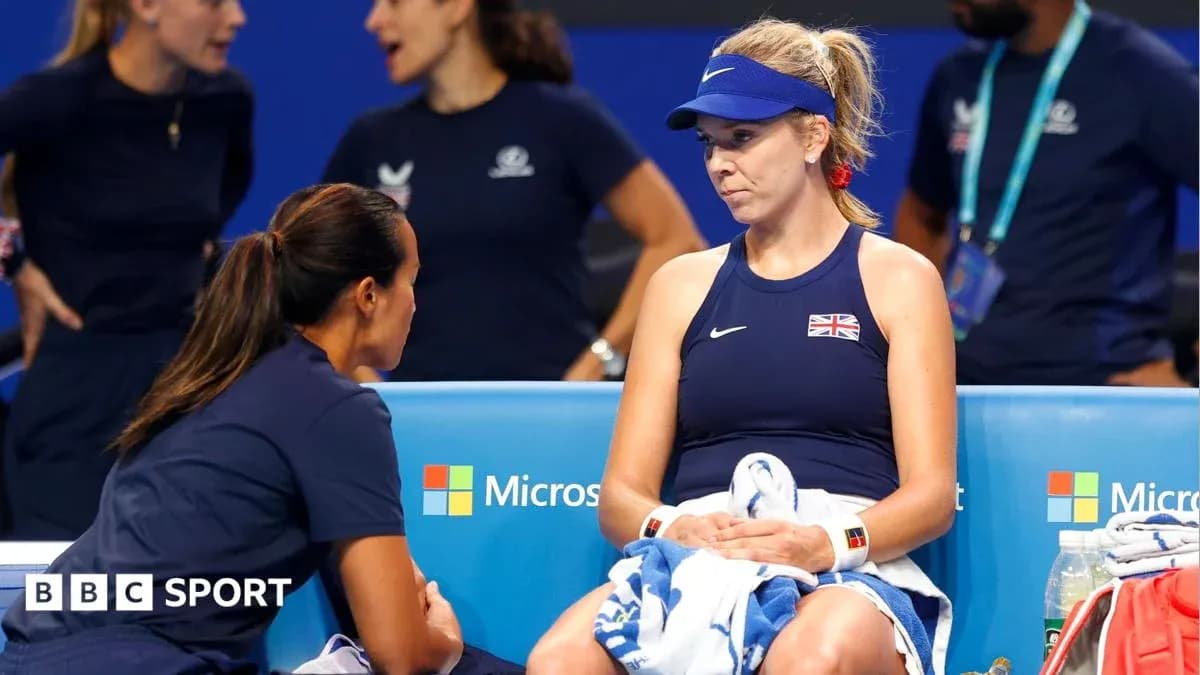
Mertens struck first, capitalizing on a cluster of unforced errors from Osaka to move ahead. The Japanese star, searching for rhythm, called for a medical timeout. When she returned, the mood inside Louis Armstrong Stadium changed.
The crowd, already invested, grew louder. Osaka’s body language sharpened. She began to step into the court again, driving her groundstrokes with more conviction, refusing to let Mertens pull away.
The pressure finally told late in the set. Osaka clawed back the break, then produced her trademark weapon at the key moment, thundering down an ace to seize a 6–5 lead. The roar that followed felt like a release — from the tension, from the doubts, from the brink.
One game later, it was over. Osaka closed out the match in the next game, sealing a 7–5 decider that had swung repeatedly between control and chaos.
Emotion, accountability, and what comes next
“I can’t believe I won this match,” Osaka admitted on court afterward, visibly aware of how close she had come to the edge. She thanked the spectators for their backing, acknowledging the energy that had carried her through the final stretch.
She also addressed the more volatile side of her performance, apologizing for her behaviour, including a moment in which she threw her racket. The frustration had been obvious; so was the willingness to own it.
Now comes the next test. In the fourth round, Osaka will face either Elena Rybakina or Yulia Starodubtseva — a very different challenge, but one that arrives with a familiar question attached.
If this is Osaka still searching for her top level, how dangerous will she be when she finds it?