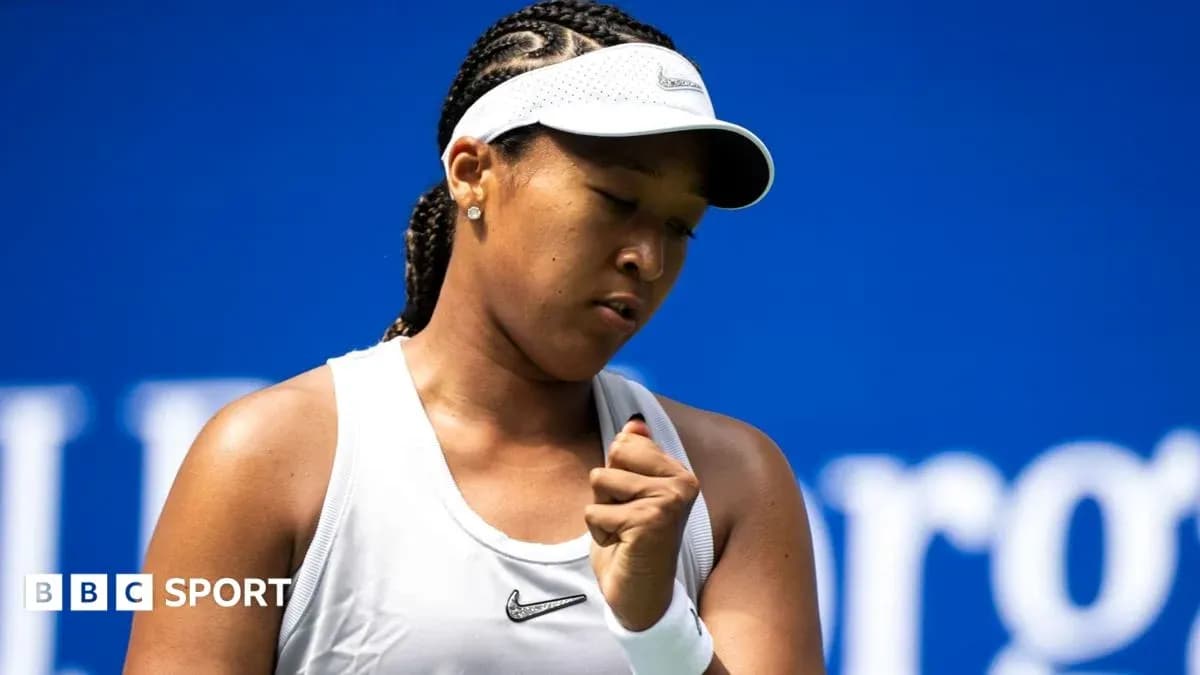
Naomi Osaka arrived on Arthur Ashe Stadium dressed like she meant business. She left it looking like a contender again.
The two-time US Open champion survived a sharp second-set lapse before powering past Katerina Siniakova 6-2 5-7 6-1 to reach the third round, restoring the authority that once made this court feel like her personal stage.
This was not a routine win. For an hour, it looked like it might be. Then it briefly threatened to unravel.
Style at the walk-on, steel when it mattered
Osaka has always treated the walk to Ashe as part runway, part statement. After turning heads in round one with an outfit inspired by NBA icon Allen Iverson, she returned on Thursday in a white dress embroidered with tennis racquets, a lighter, almost playful look that contrasted sharply with the intensity she brought to the baseline.
Once the warm-up ended, the fashion gave way to ferocity.
She tore through the opening set in just 30 minutes, striking cleanly, serving with purpose, and pinning Siniakova back with the kind of depth that once made Osaka the most feared hard-court player in the world. The scoreline, 6-2, felt about right. Controlled, clinical, assured.
By the hour mark, she had broken for 4-2 in the second set and looked set to stroll into the last 32. The rhythm was there, the crowd was with her, and Siniakova — the world’s top-ranked doubles player but unseeded in singles here — seemed to be hanging on.
Then the match turned.
A four-game slide and a test of nerve
Serving at 5-3 for the win, Osaka blinked. Her consistency, rock solid to that point, suddenly cracked.
What followed was a flurry of four straight breaks of serve. Osaka, usually so secure behind her first delivery, tightened up. She sprayed errors, 20 of her 29 unforced mistakes coming in that second set alone. Siniakova did not have to dominate; she simply had to stay present, keep the ball in play, and wait for Osaka’s level to dip.
It did. The 13th seed’s feet slowed, her shoulders dropped, and the Czech sensed her moment. Osaka failed to close out the match at 5-3, then watched the set slip away 7-5 as Siniakova punished short balls and rode the momentum.
For a player still rebuilding her match toughness, this was the kind of psychological crossroads that can define a fortnight.
Osaka chose to walk away — briefly.
A reset, then a ruthless response
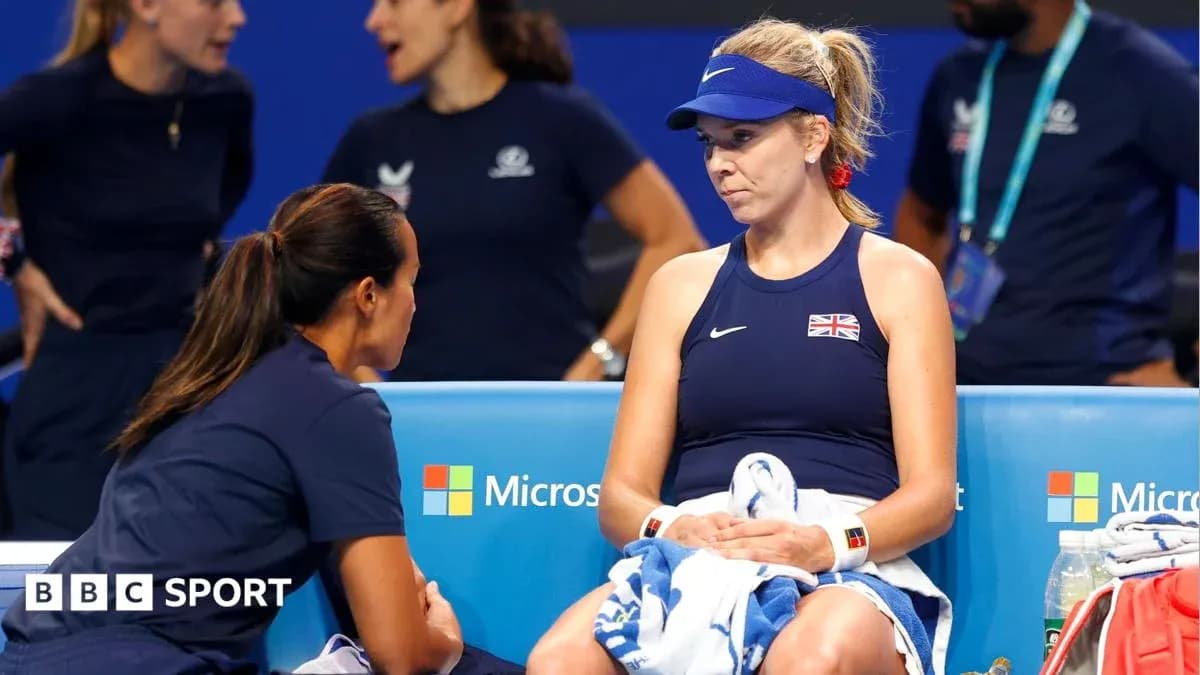
She took a bathroom break after the second set, a pause that felt as much about emotion as tactics. When she returned, the body language had changed. Sharper steps. Quicker routines. Less chatter with her box, more focus on the strings in front of her.
“The match was definitely really tough. I just felt like I was a little bit too hard on myself after opportunities in the second set,” she told the Arthur Ashe crowd afterward. “I took the bathroom break, regrouped a little, came back and just tried to have no regrets.”
The reaction on court backed up the words.
Osaka reclaimed control almost immediately, ripping through the decider with the kind of authority that once made her a four-time major champion. She won six of the last seven games, tightening up her groundstrokes, cutting down the errors, and bullying Siniakova off the baseline.
The final set lasted just 31 minutes. The scoreboard — 6-1 — reflected the gulf once Osaka rediscovered her range.
Two hours and two minutes after it began, the contest ended the way it had started: Osaka dictating, Siniakova scrambling, the Ashe crowd leaning into every heavy strike from the Japanese star.
Mertens awaits as the stakes rise
The reward for this gritty, uneven but ultimately convincing win is a third-round meeting with Belgian 23rd seed Elise Mertens, one of the circuit’s most reliable competitors and a player who rarely gives away cheap points.
Osaka will know she cannot afford another extended dip like the one that almost cost her here. The good news for her — and for those who still believe there is another deep major run in that racquet — is that when the pressure closed in, she found a way to push back.
The outfit drew the eye. The reset drew the line. Now comes the real question: can she turn these flashes of her former dominance into a full New York charge?