Naomi Osaka has never blended into the background. She doesn’t try to. She never has.
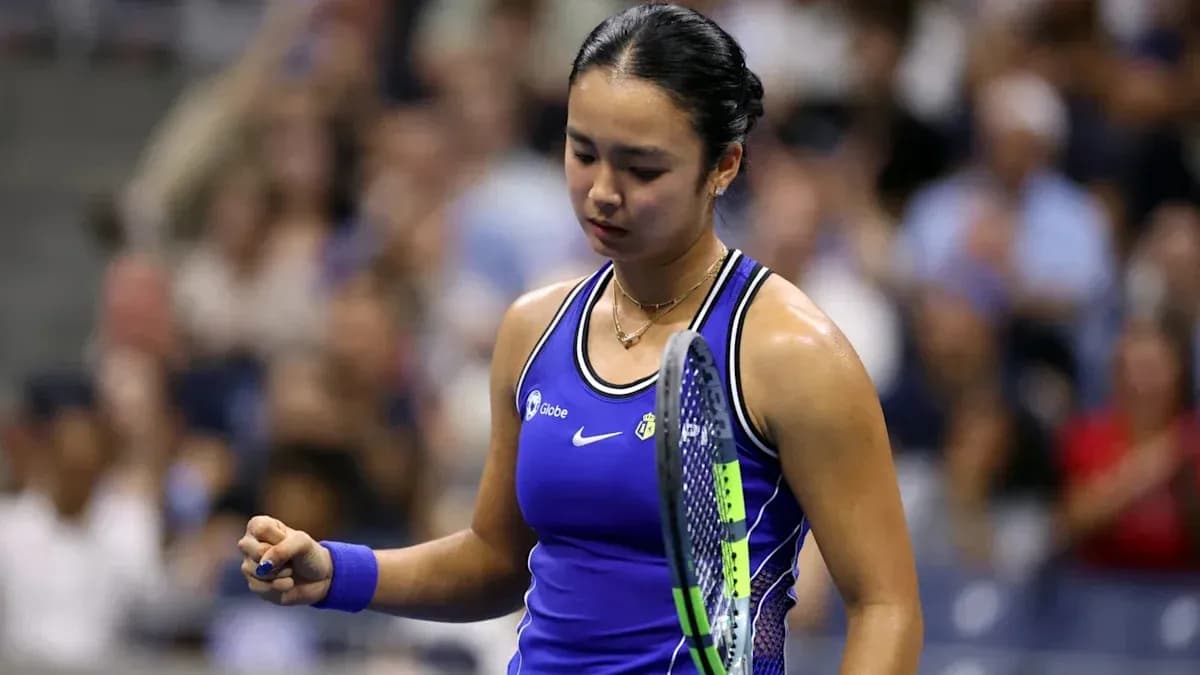
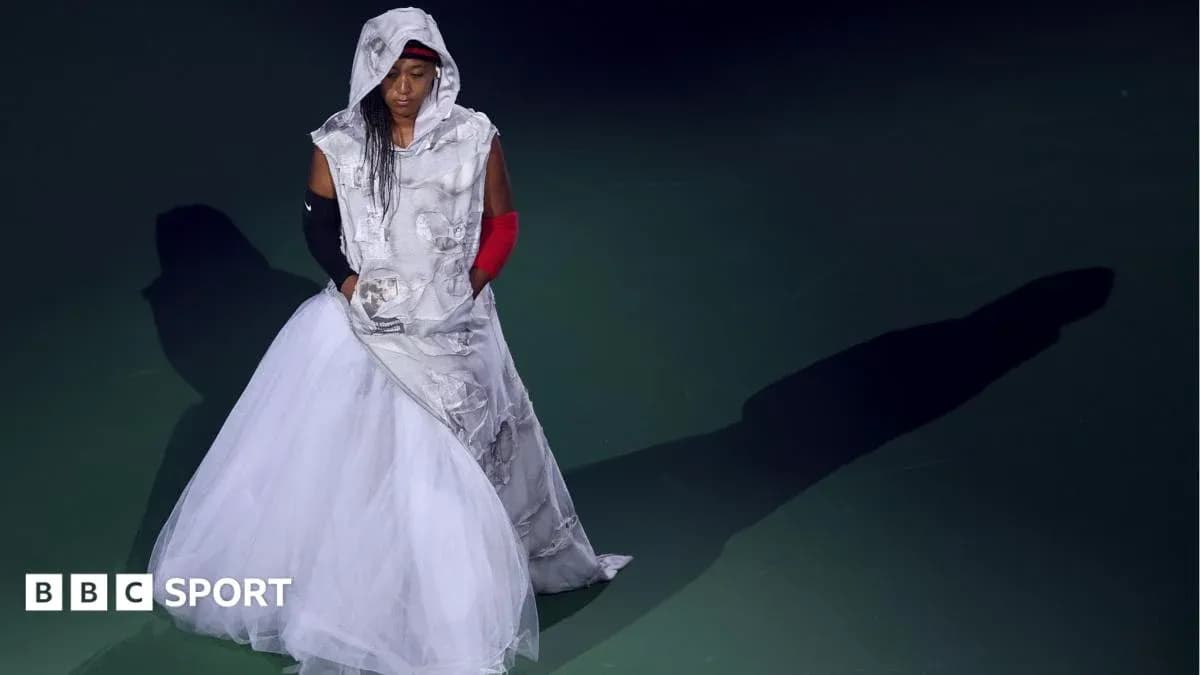
At this year’s US Open, the four-time Grand Slam champion turned Arthur Ashe Stadium into a runway with a purpose. For her first-round win over Anastasia Zakharova, Osaka walked in wearing a hooded white gown, a dramatic, almost ceremonial entrance that instantly lit up social media.
Underneath, the real statement waited: an all-black, basketball-style kit, her hair braided and held back by a headband that felt instantly familiar to anyone who watched the NBA in the late 1990s and early 2000s. This was a deliberate nod to Allen Iverson, the former Philadelphia 76ers star who dragged basketball culture into a new era, one tattoo, one cornrow, one headband at a time.
Osaka called him a “trailblazer” and pointed to his influence on fashion, “whether it's on purpose or not”. The message was clear. Clothes, for her, are not decoration. They’re declaration.
The looks kept coming. In her last-16 defeat to Elena Rybakina, Osaka arrived in another striking ensemble: a decorated coat draped over her shoulders before she settled into the more familiar rhythm of a tennis match. The coat came off, the tennis began, but the conversation around what she wore refused to fade into the background.
Criticism followed, as it often does when an athlete steps outside the unspoken dress code of their sport. Osaka didn’t flinch. Instead, she widened the lens.
On social media, she linked the noise around her outfits to a much deeper chapter of her career: the moment in 2021 when she chose to step away from press conferences at the French Open, citing mental health concerns, and then withdrew from the tournament altogether. That decision triggered a global debate about athlete welfare, responsibility and vulnerability. She absorbed a wave of backlash then, too.
“I don't mind being the first to do something and getting trashed for it,” she wrote. “This happened when I talked about mental health and for some reason it's happening with my clothes lol.”
It was casual in tone, but pointed in intent. Osaka knows exactly where she stands in the sport and what comes with it. The scrutiny doesn’t surprise her anymore. It doesn’t deter her either.
She also rooted her defiance in who she is and where she comes from. Born to a Haitian-American father and a Japanese mother, Osaka has long embraced a dual heritage that challenges traditional ideas of what a Japanese star “should” look or sound like. Now, she folds that identity into what she wears.
“I'm literally Haitian it's in my blood to be this way,” she wrote. “As long as the people after me have an easier path it's worth it.”
That line cuts to the core of her approach. The outfits are loud, yes. The subtext is louder. Osaka is willing to carry the criticism now so that the next generation of players can dress, speak and exist more freely on court without a storm following every choice.
For some, it’s just clothing. For Osaka, it’s continuity: from mental health to fashion, from Iverson’s headband to her own hooded gown. Different arenas, same fight.