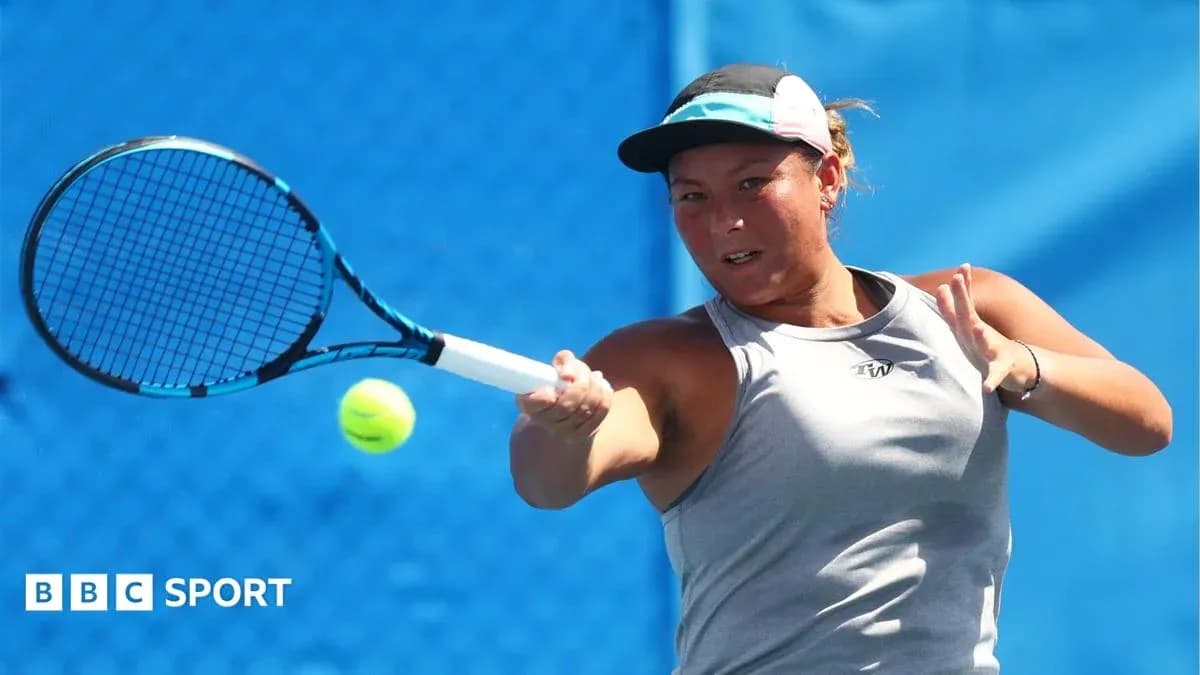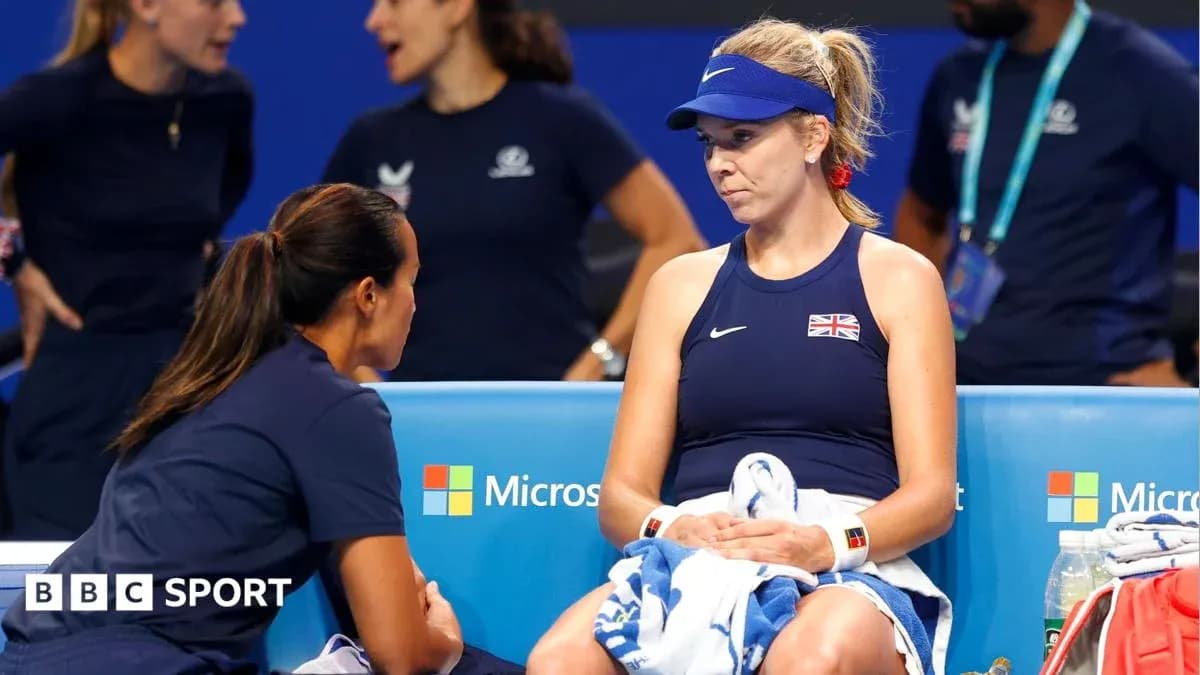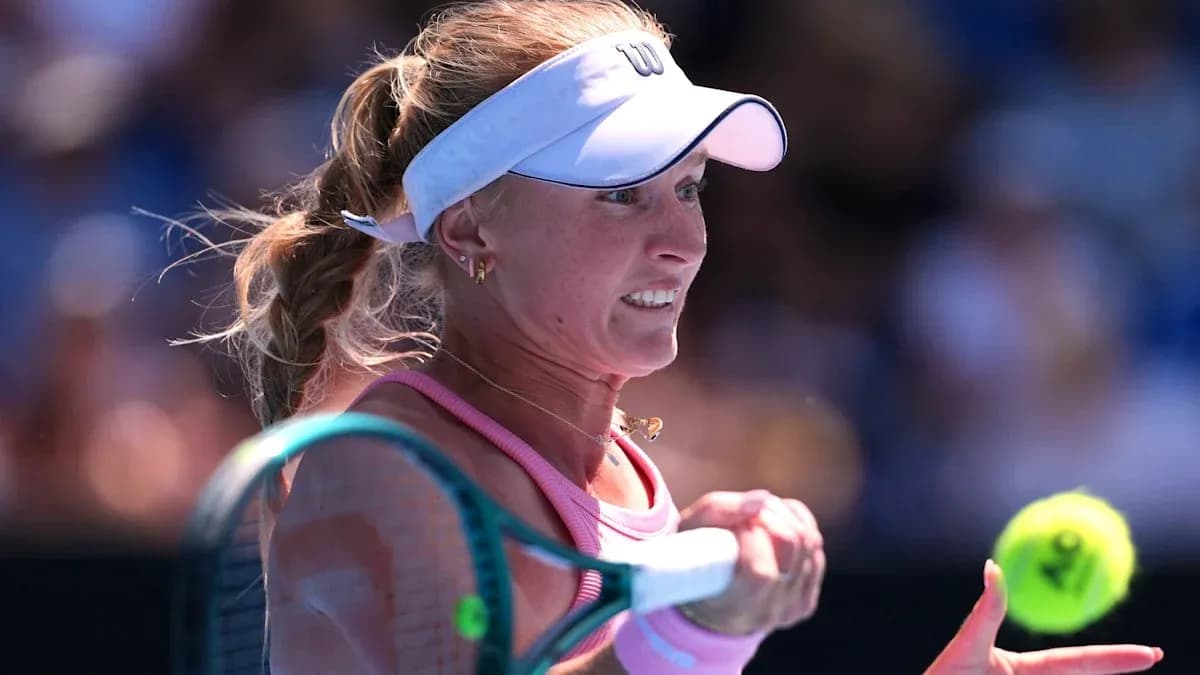
Rain, tension and a tournament under scrutiny. Court 7 had all of it.
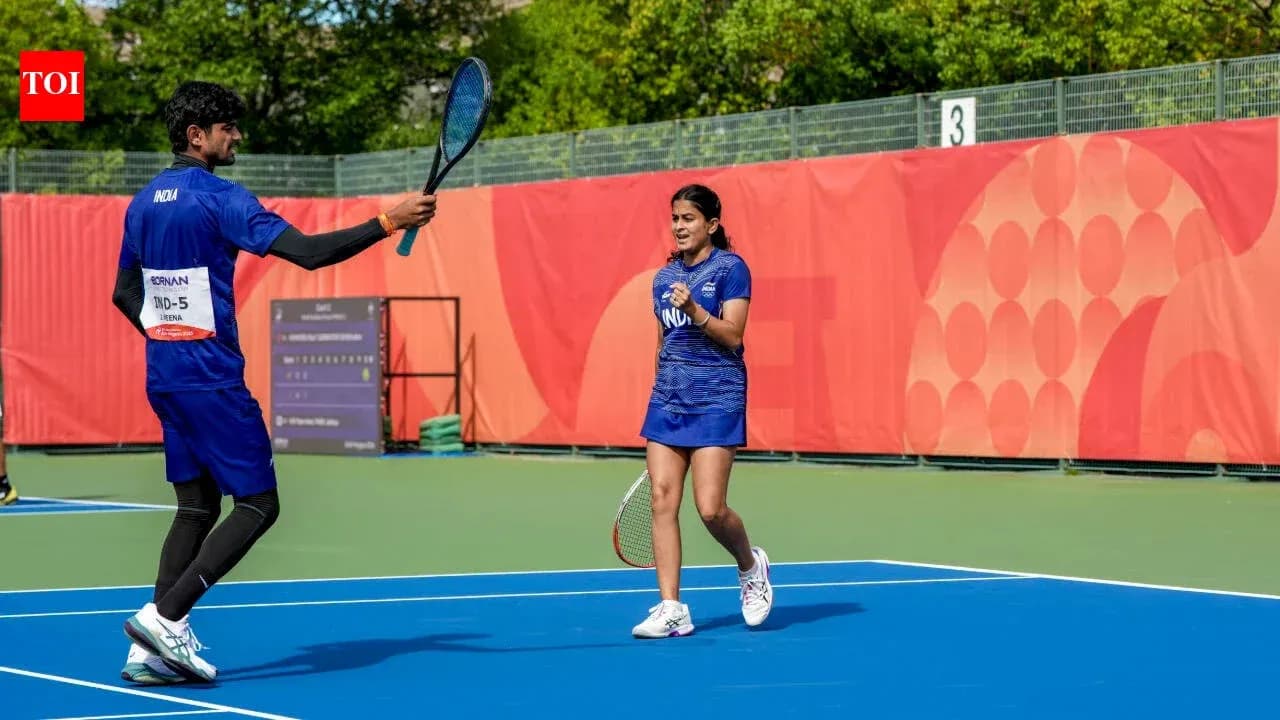
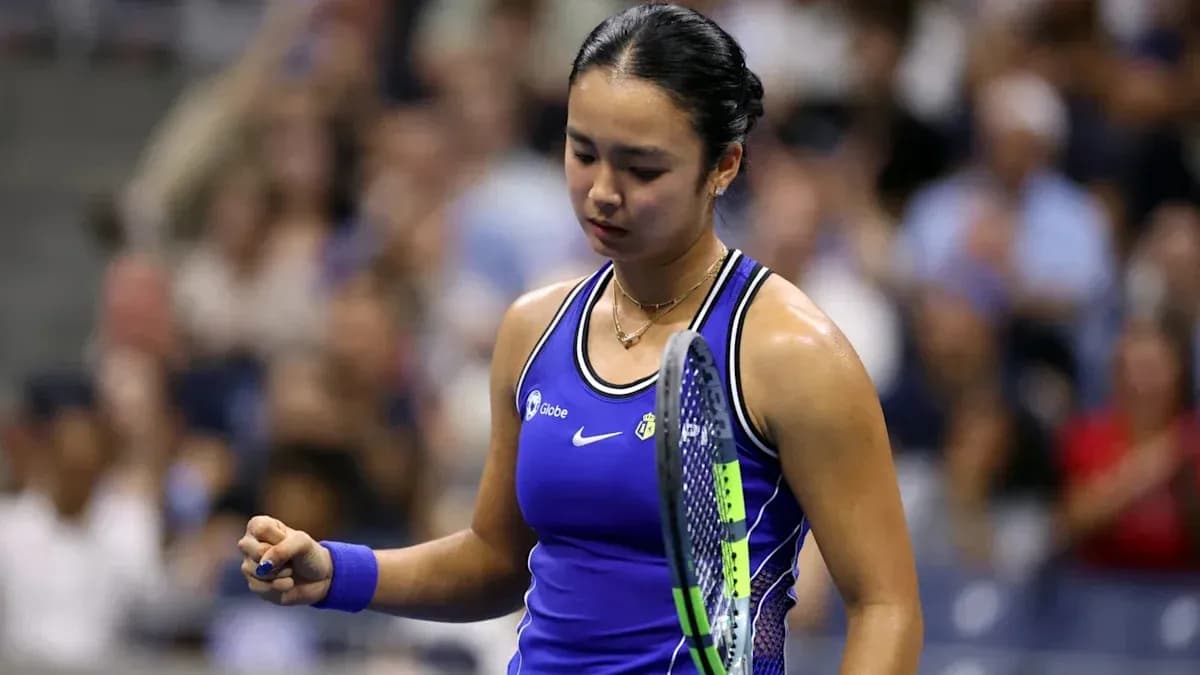
Kim Birrell and Petra Marcinko were locked at 3-3 in a second-set tiebreak when the sky finally weighed in. A few drops at first, then enough to halt everything. Both players sat down, umbrellas up, adrenaline on ice.
“Some rain drops coming down here, just to add to the drama,” Brenton Speed said on Nine, as the cameras lingered on two players forced to pause at the sharpest point of the match. Birrell had no margin left — she had to win the tiebreak to force a deciding set. Every point mattered. Every second of the delay did too.
Jelena Dokic captured the moment bluntly: “What a time to stop play here.” She knows the cruelty of timing in tennis. The wrong thought, the wrong swing after a long pause, and the match can vanish in two loose points.
“It’s tough for both players,” Dokic added. “If you play a couple of loose points here, the tiebreak is basically done.” No exaggeration. At 3-3, the restart becomes a mental shootout.
The match had already been moved forward on the schedule because of the wet forecast. Organisers tried to dodge the weather. The weather found them anyway.
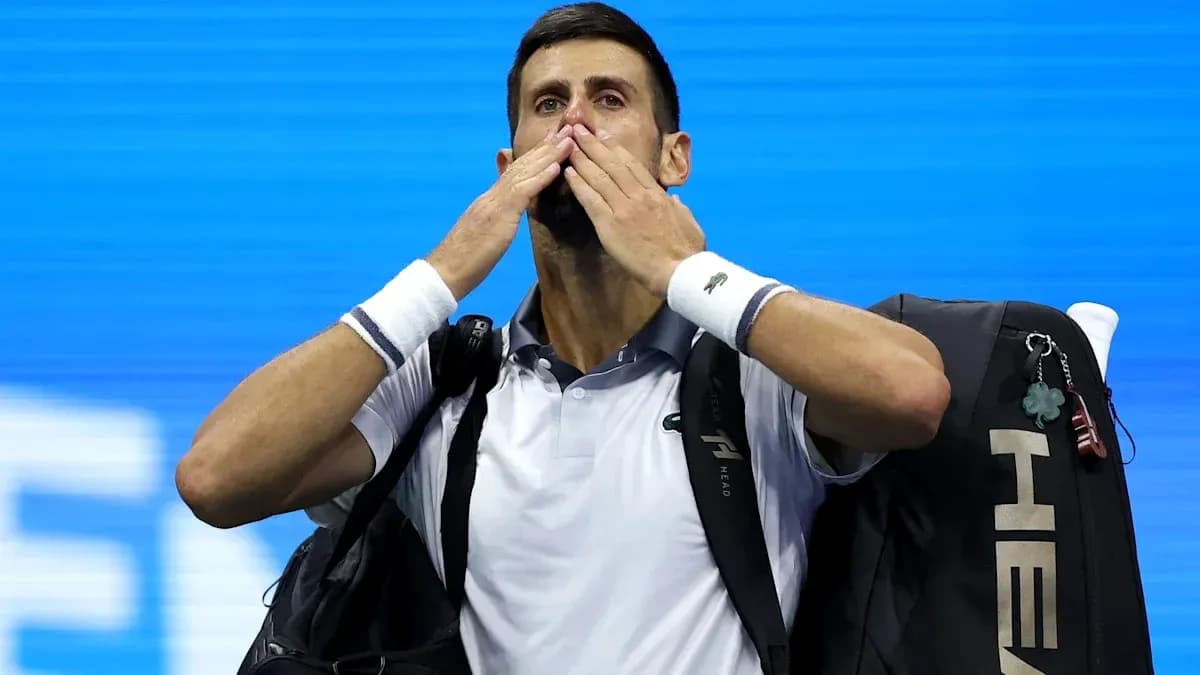
Across the grounds, even Novak Djokovic was not immune. Play on Arthur Ashe Stadium also stopped, but with one crucial difference: the roof closed, the court dried, and Djokovic’s match rolled on. Court 7, exposed and vulnerable, waited.
While players and fans looked up at the clouds, another storm gathered around the man running this tournament.
Craig Tiley, the former longtime Australian Open boss now in charge of the US Open, is feeling the heat in his debut edition. Only months after leaving Melbourne for New York, he has wasted no time in leaving his mark, overhauling the schedule so that the first round now stretches across three days instead of two.
It is a move straight out of the Australian Open playbook. Melbourne shifted to a Sunday start years ago, with Tiley arguing it was the best way to ease the pressure on early-round scheduling and cut down on matches finishing well after midnight.
New York, though, is not Melbourne. The reaction here has been far less forgiving.
On a day when thousands have poured through the gates, there is simply less tennis being played, the stretched-out draw thinning the on-court offering. Long walks, long lines, shorter menus of matches.
One critic, James Denman, did not hold back on social media, writing that “the USTA seems to have genuinely f---ed the US Open. I know it’s always busy but this just reads... awful”. It was a blunt assessment of a bold structural change.
Tiley, for his part, has spoken about a much grander vision. At his press conference on Sunday, he laid out his dream for the US Open to become “tennis Disneyland” — a spectacle, an experience, a destination as much as a tournament. He has already backed that ambition with money, increasing prize money for the event and signalling a desire to push the Open into an even bigger commercial and entertainment space.
The question now is whether the balance is right. On a rain-hit day, with fans waiting and outer courts stalled, the vision of “tennis Disneyland” collides with the reality of umbrellas on Court 7 and a tiebreak frozen at 3-3, hanging in the damp New York air.