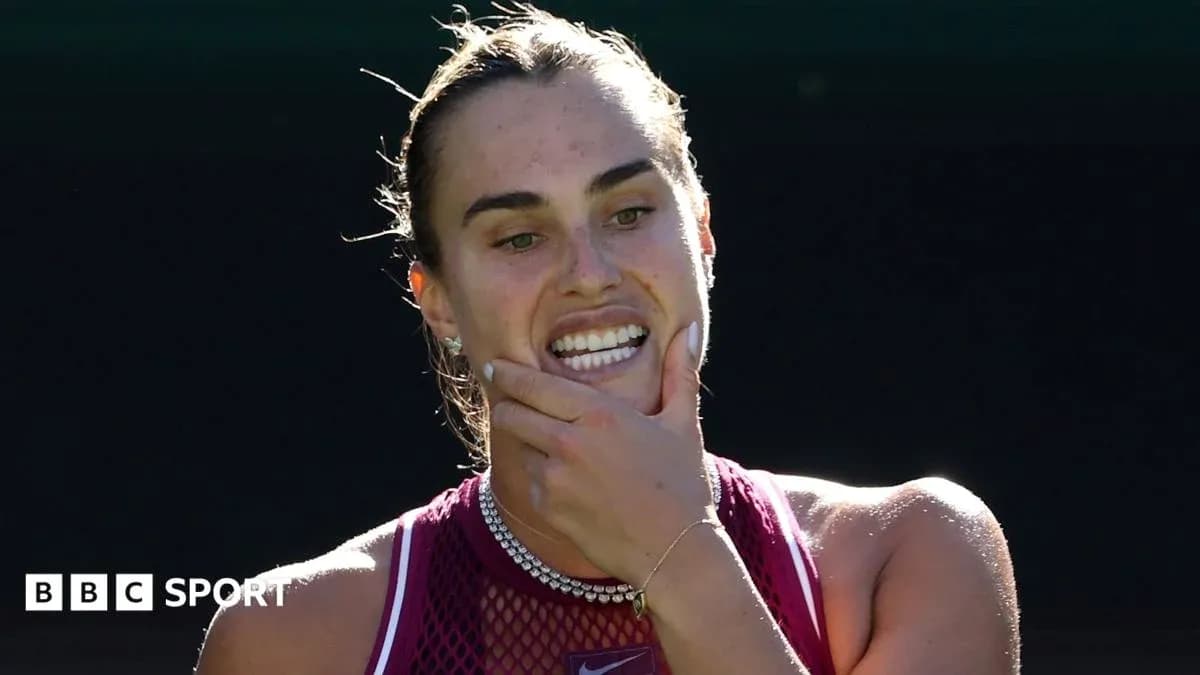
Aryna Sabalenka walked into the WTA Finals as the woman with the target on her back. She walked off court on Monday looking more relieved than dominant, but crucially, with a first win in her pocket.
The world number two, chasing a first season-ending crown in her sixth attempt, ground out a 7-6 (7-2) 7-5 victory over Karolina Muchova in a match that never quite settled, on a day when her serve misfired but her stubbornness did not.
With world number one Elena Rybakina pulling out on the eve of the event, the draw opened up for Sabalenka on the same courts where she lifted the Indian Wells title in March. This was not the statement performance that scenario seemed to demand. It was something more prosaic, and in its own way, more telling: a scrap.
Muchova, the only player in the field holding a winning record against Sabalenka, immediately made life awkward. The Czech’s variety and court craft dragged Sabalenka into uncomfortable positions and drew early errors, and she earned the first break of the opening set. Each time Sabalenka blinked, though, she snarled back.
The pattern quickly took hold: Muchova nudges ahead, Sabalenka rips it back.
Serving for the set, Muchova’s racket tightened. A cluster of loose groundstrokes opened the door, and Sabalenka kicked it down, forcing a tie-break where her power finally landed clean. The Belarusian stormed through it 7-2, her forehand suddenly heavy and accurate, her roar echoing around the stadium as if she’d played flawless tennis. She hadn’t. She knew it. But the scoreboard belonged to her.
If the first set was jittery, the second was chaotic. Five breaks of serve told the story. Sabalenka’s delivery veered from unplayable to unreliable in a few wild minutes: seven double faults on the night against just four aces, her toss frequently at war with the sun and shadow.
“It was a bit tricky with the sun [and] with the shade,” she told Sky Sports afterwards. “Sometimes I had to adjust my toss, sometimes I had to serve blind, but it's all part of the game.”
When the first serve did land, it did serious damage. Sabalenka connected on 59% of first serves and won 33 of 44 points behind it, numbers that underlined the frustration of the misfires. The raw weapon is still there; the timing flickered in and out.
Muchova, sensing opportunity, kept probing. She mixed height, spin and pace, forcing Sabalenka to hit extra balls and daring her to overhit. The tactic almost paid off. Sabalenka twice had to claw back from a break down in the set, her body language veering between anger and defiance. The key difference from some of her more combustible nights? She kept a lid on it just enough.
Her forehand, erratic early, grew into the match. By the closing games it was dictating rallies, driving Muchova deeper and deeper until the Czech’s resistance finally cracked. Serving for the match for a second time at 6-5, Sabalenka held her nerve, closing out a win that was more grind than glamour.
It fits her season.
Sabalenka has lived in the sharpest spotlight all year yet leaves 2025, by her standards, with a curious ledger. No Grand Slam singles title for the first time since 2022, despite reaching the Australian Open and US Open finals, both lost to Rybakina. No trophy since Miami in March. A flat Asian swing, with just one win from three matches, forced her to shut things down briefly before this week.
This opening victory will not silence every doubt. It does, though, keep her campaign on track in a group where margins already look thin.
Andreeva announces herself – again
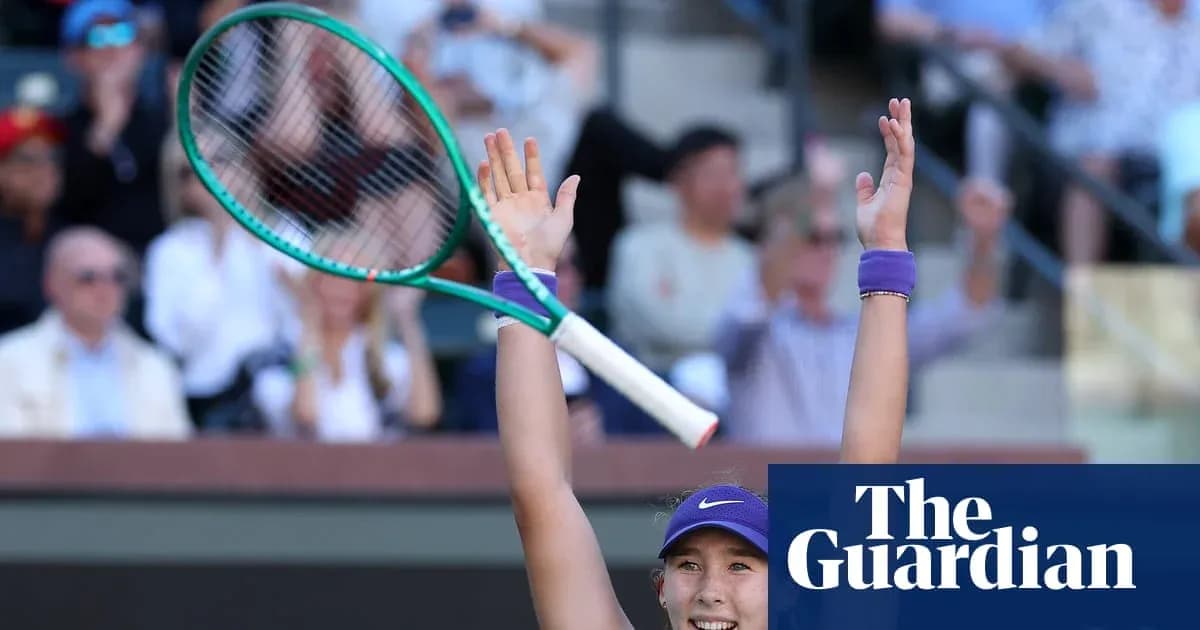
If Sabalenka’s win was about survival, Mirra Andreeva’s was about authority.
The French Open champion dismantled Elina Svitolina 6-4 6-0 later on Monday, a 77-minute performance that carried the cold efficiency of a player who knows exactly where her game sits and how to use it.
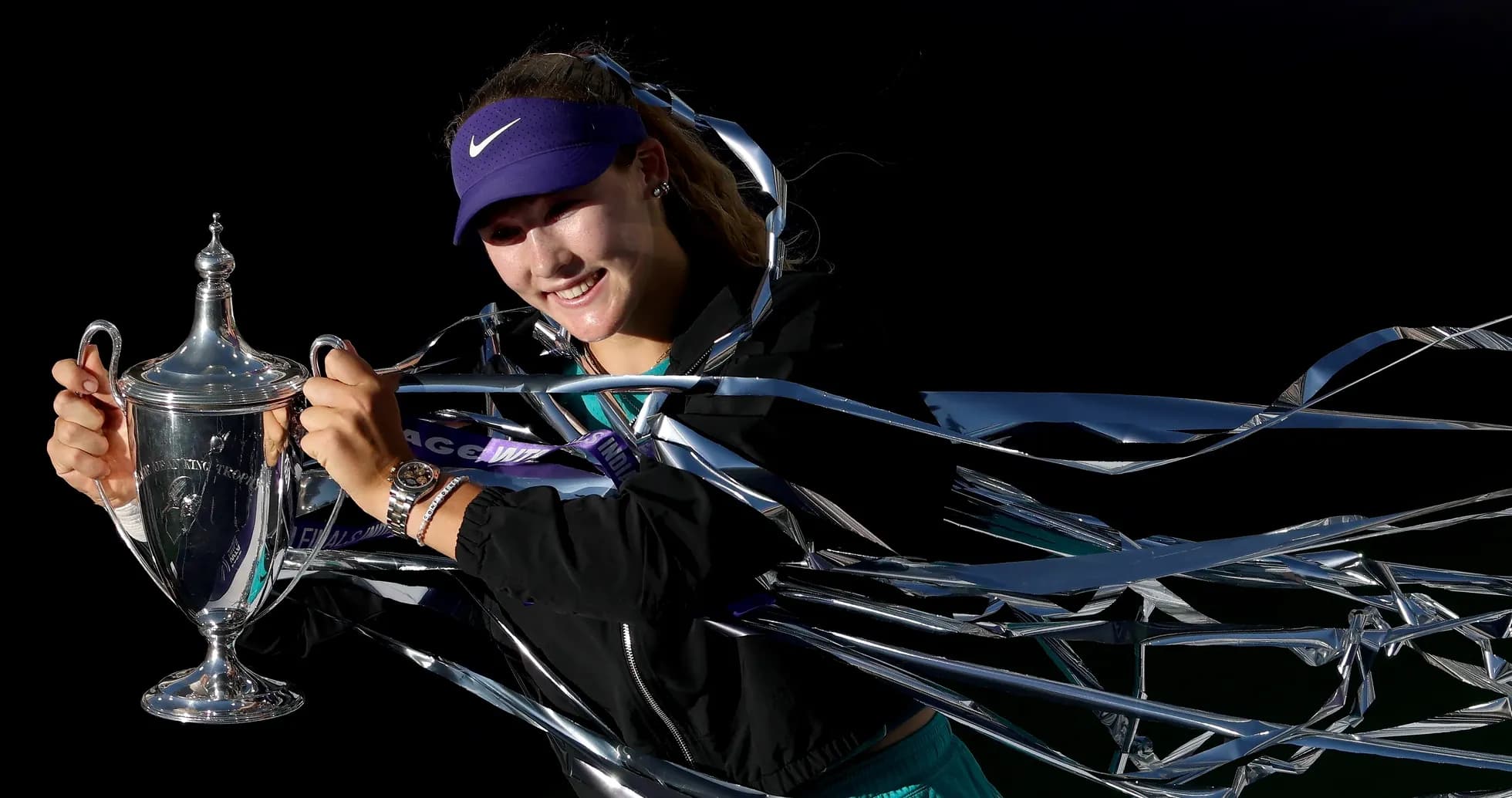
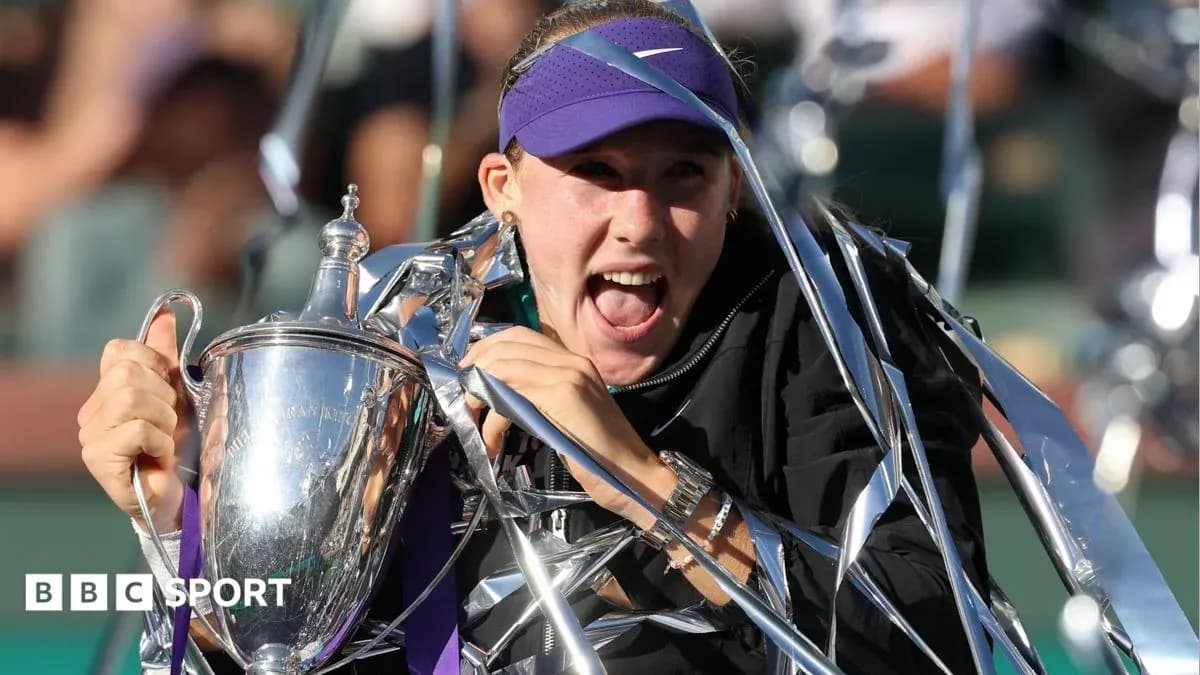
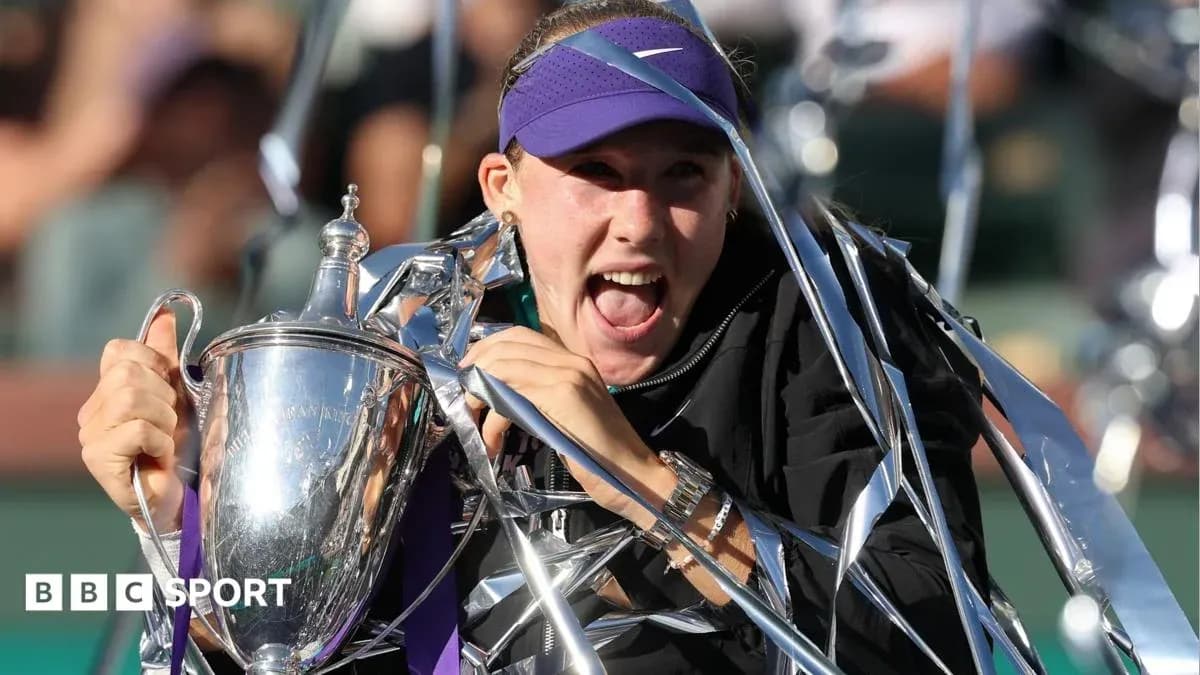
The teenager, who beat Sabalenka in the 2025 Indian Wells final, weathered an early push from Svitolina and then simply took the match away. Once she settled, the Russian reeled off seven straight games, her backhand carving up the baseline and pinning Svitolina to the back of the court.
Svitolina had chances to disrupt the surge. She created six break points, four of them in the final game. Andreeva erased every one. She finished with nine winners against 12 unforced errors, a clean, disciplined sheet that underlined how little she had to overreach to dominate a wayward opponent.
Where Sabalenka’s path to victory bent and swerved, Andreeva’s ran in a straight line. In the context of the week, that contrast will not go unnoticed.
British interest: Norrie moves on, Samuel makes his mark
Away from the season-ending showpiece, Cameron Norrie found something he badly needed in Stockholm: a straightforward win.
The Briton beat Australia’s James Duckworth 7-5 6-0 to reach the second round of the Stockholm Open, tightening up after a tight opening set to run away with the match. The second set bagel hinted at the kind of rhythm Norrie has been searching for as he builds towards this month’s Davis Cup Finals.
His reward is a meeting with top seed Taylor Fritz, a test that will offer a sharper measure of where his game sits heading into national duty.
At the same event, fellow Briton Toby Samuel delivered one of the more eye-catching scorelines of the day, dismissing Leo Borg 6-3 6-2. The surname across the net always draws attention – Borg is the son of 11-time Grand Slam singles champion Bjorn – but Samuel refused to play the supporting role, dictating proceedings and closing with authority.
On a day when Sabalenka fought herself and Andreeva brushed aside everyone else, it was a reminder that in this phase of the season, form can harden quickly. The question now is who rides it all the way to a trophy.