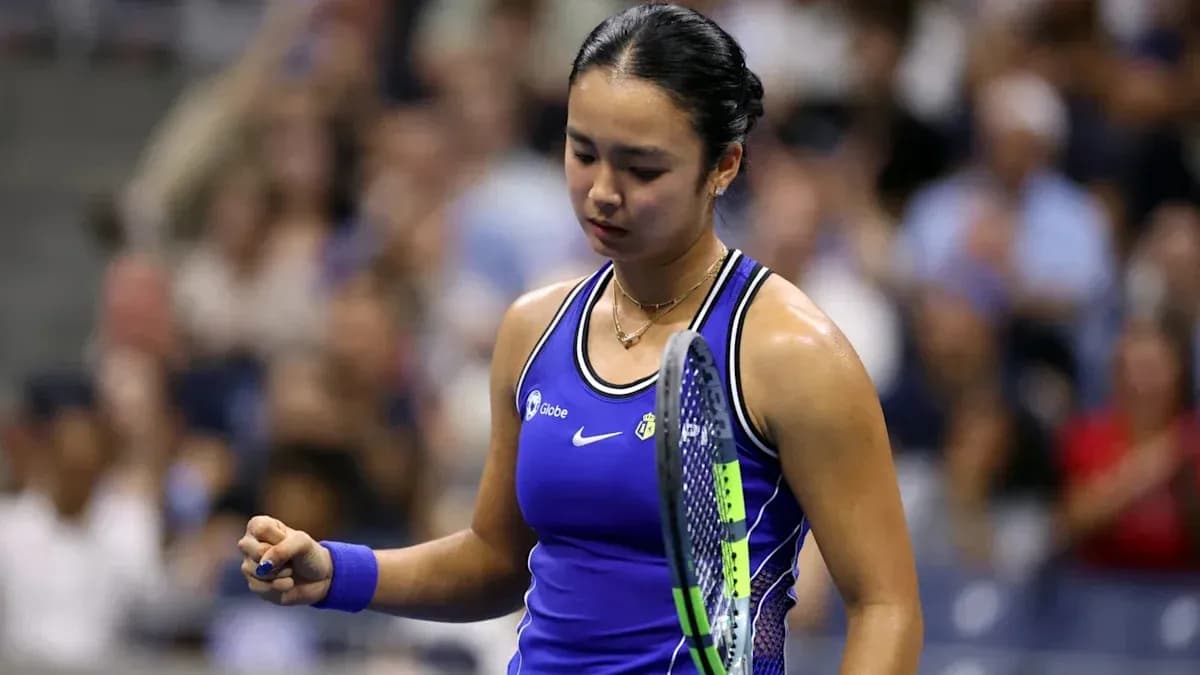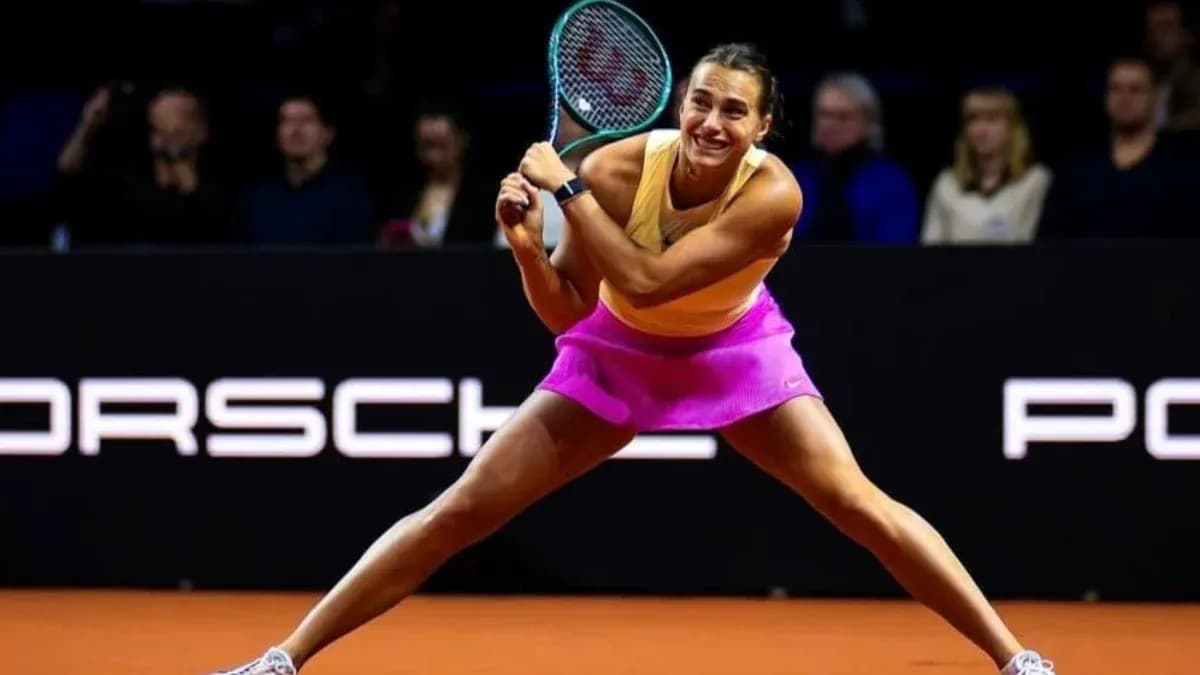
Aryna Sabalenka’s latest straight-sets win at Flushing Meadows should have been a routine step in a familiar script: world No. 1 cruises, answers a few questions, moves on. Instead, her second-round victory became the backdrop for one of the tournament’s most replayed moments — a tense exchange in the interview room that has spilled far beyond the walls of the US Open media center.
It began with a single question.
A reporter framed the build-up to the tournament as a week of “parties and fun” and asked Sabalenka how her mood had shifted now that the serious business of the US Open had started. The Belarusian did not let it slide.
She bristled at the implication that she had spent the days before a Grand Slam treating New York like a playground rather than a workplace. Sabalenka pushed back hard, making it clear she viewed those “fun” days as sponsor events and brand obligations — part of the job, not a distraction from it. For a player who has built her rise to No. 1 on intensity and discipline, the suggestion cut close.
The exchange crackled with tension, and the cameras caught every second.
Clips hit social media within hours. Fans dissected the wording, the tone, the look on Sabalenka’s face. Many backed her instantly, applauding her for defending her professionalism and the unseen work that underpins her dominance. Others argued the reporter’s phrasing had been clumsy rather than malicious, a poor choice of words in a high-pressure room.
As the debate gathered pace, the journalist at the center of it stepped forward to explain.
He clarified publicly that he had not meant to accuse Sabalenka of partying her way into a major. His aim, he said, was to reference the string of public appearances, promotional duties, and off-court events that come with being one of the sport’s biggest stars on the eve of a Slam. The question, in his view, had been interpreted in a way he had not intended.
He stressed he did not question Sabalenka’s work ethic and acknowledged the scale of the reaction — the online scrutiny, the commentary, the way a single exchange had overshadowed a dominant performance on court.
Sabalenka, for her part, did not simply let the moment fade.
After initially snapping back in the press room, the two-time defending US Open champion later revisited the incident and apologized to the reporter for the intensity of her response. She did not, however, walk back her core complaint. The wording, she maintained, had been unfair, blurring the line between mandatory commitments and a lack of focus.
The episode has laid bare a familiar fault line in elite sport.
Players walk off court — adrenaline still high, emotions raw — and are immediately ushered into a room where every word is recorded, clipped, and shared. Reporters, under their own pressure to find something beyond the standard “one match at a time” script, probe for angles on preparation, mindset, and professionalism. When those questions brush against an athlete’s integrity, sparks fly.
In New York, those sparks turned into a broader conversation: where does fair scrutiny end and loaded implication begin, and how thin is that line when the world No. 1 feels compelled to defend the very seriousness with which she approaches her craft?