Arthur Ashe crackled long before a ball was struck.
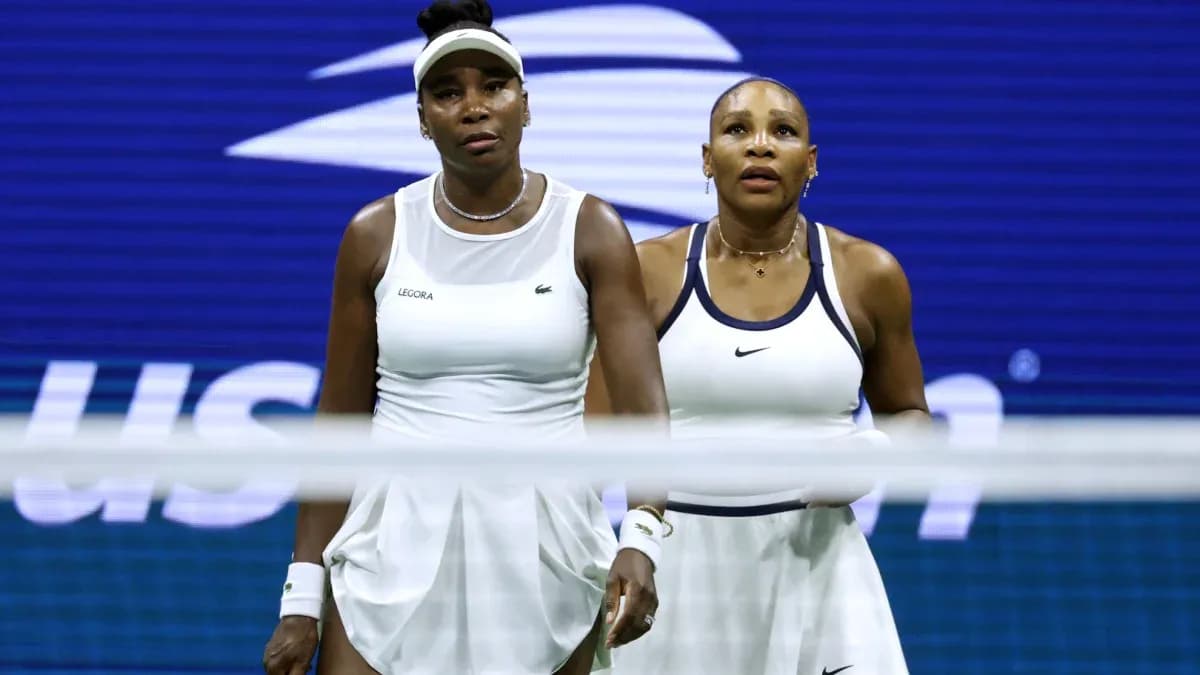
Smoke drifted across the court, lights sliced through the dark, and the biggest tennis stadium on the planet suddenly felt like Madison Square Garden before a title fight. Phones went up, a roar rolled down from the upper decks, and into that cauldron walked Serena and Venus Williams — 44 and 46 now, but still treated in New York as if they own the place.
They once did. For a long time.
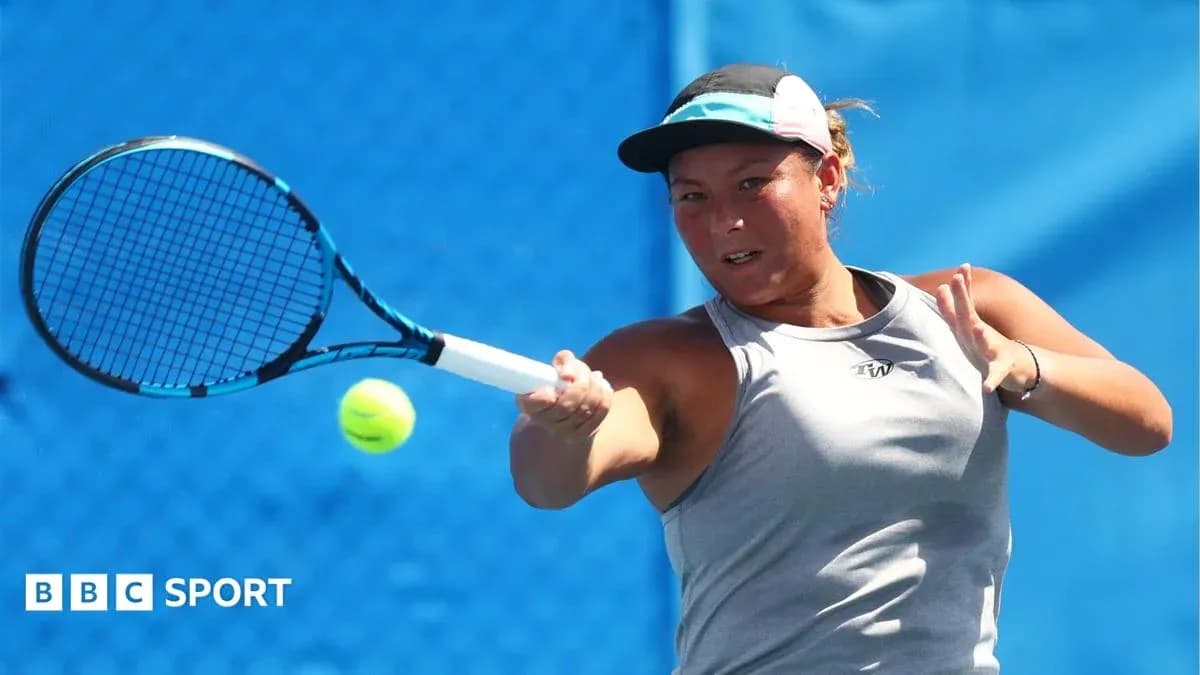
On this night, though, the script belonged to a new generation. Taiwan’s Hao-Ching Chan, 32, and Australia’s 20-year-old Maya Joint, the No. 14 seeds, held their nerve and their level to win a gripping first-round doubles clash 6-3, 6-7(6), 7-6(7). The scoreline reads like a knife-edge contest. It was. Every point in those final tiebreaks felt like it came with a decade of history attached.
A show before the first serve
The pre-match theatre set the tone. Arthur Ashe Stadium, already humming, turned up the volume when YouTuber MrBeast — Jimmy Donaldson, a man with 515 million followers and a reach far beyond tennis — walked out for the coin toss. It was a collision of worlds: internet spectacle meeting two of the most decorated athletes the sport has known.
When the sisters finally emerged, the reception said everything. Half the crowd filmed. The other half simply stood and applauded. Some did both.
Matching in white sneakers, skirts, and tops, Serena and Venus looked relaxed, almost playful, sharing private jokes and their familiar fist bumps. That ease disappeared the moment the warm-up ended. Then it was all sharp steps, hard cuts, and the old competitive fire.
Crowd against the scoreboard
Chan and Joint struck first. They were cleaner, crisper in the opening set, taking it 6-3 while the stadium tried to will the Williamses into rhythm. Every solid first serve from Serena, every vintage Venus return, drew roars that felt disproportionate to the moment — until you remembered who they are and what this place has seen them do.
They have lifted this trophy together twice, in 1999 and 2009. The crowd hasn’t forgotten.
The second set turned into a street fight. Rallies stretched, angles opened, and with each point the noise grew. The tiebreak became a contest between the scoreboard and the stands: Chan and Joint playing the percentages, the Williams sisters swinging for lines, Arthur Ashe exploding every time the Americans edged closer.
At 6-6 in the breaker, the sound was almost physical. Serena and Venus squeezed it out 7-6(6), and the stadium reacted as if they had just booked a place in the final, not merely forced a deciding set in the first round.
Tension, then a final twist
By the third hour, the match had turned into a test of legs and lungs. The younger pair blinked less. Chan and Joint began to edge ahead in the decider, drawing a chorus of anguished “oh!” from the seats with each missed chance from the sisters.
Still, the veterans refused to go quietly. They dragged the set back to 5-5. The building shook again. Every serve, every return, every changeover felt like a pause in a long goodbye that nobody in the stands was ready to accept.
At 6-6, it came down to a super tiebreak. The tension was thick enough to taste. Chan and Joint stayed just steadier in the biggest moments, closing out the breaker 7-6(7) and with it the match, while thousands of fans stayed on their feet, desperate for one more twist that never came.
When the final point landed, there was no exodus. No rush to the exits. The entire stadium rose, this time not in hope but in respect, as Serena and Venus walked off together.
More than a match
For Serena, the night carried an extra edge. It was a small shot at personal payback. Earlier this summer, in her singles return at Wimbledon after four years away, she had lost to this same Maya Joint. Here, she had her sister beside her, the partnership that delivered 14 Grand Slam doubles titles across their careers.
The result, again, went the Australian’s way.
Their recent comeback together has been bumpy. They reunited in Cincinnati in August, only to fall in their opening match to Marta Kostyuk and Peyton Stearns. In New York, they came closer, pushed harder, but the outcome was the same: a narrow defeat, a standing ovation, and the lingering sense that every appearance now is borrowed time.
Both women have already featured heavily at this US Open. Venus bowed out of the singles draw on Sunday, beaten by fellow American Sofia Kenin. Serena has commanded attention on and off the court, from her play to her commercial work with brands such as Heineken 0.0, and her decision to speak openly about weight-loss medications and the stigma around them.
On this night, though, the endorsements and the debates faded into the background. What mattered was the noise, the tension, the old chemistry between two sisters who changed their sport and still, even in defeat, can turn a routine first-round doubles match into a New York event.
They left Arthur Ashe to another roar, the kind reserved for champions, not first-round losers. How many more of these nights does tennis get with Serena and Venus Williams under the lights in Queens?
That’s the question that hung in the air long after the smoke cleared.