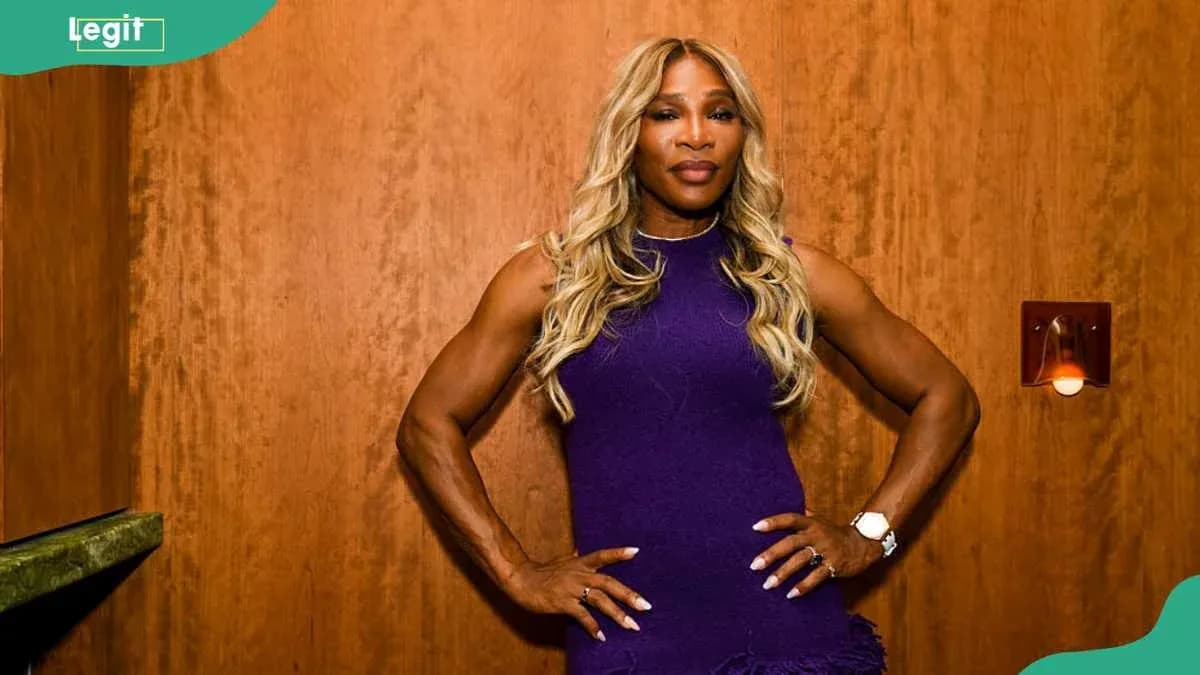
Serena Jameka Williams has not played a full competitive season in years. It hasn’t mattered. Her lead in the money game keeps stretching into the distance.
Forbes now pegs her net worth at roughly $400 million, a figure that doesn’t just top the list of female athletes. It blows it apart. No other woman in sports has come close to building that kind of financial empire from a playing career, endorsements, and business bets.
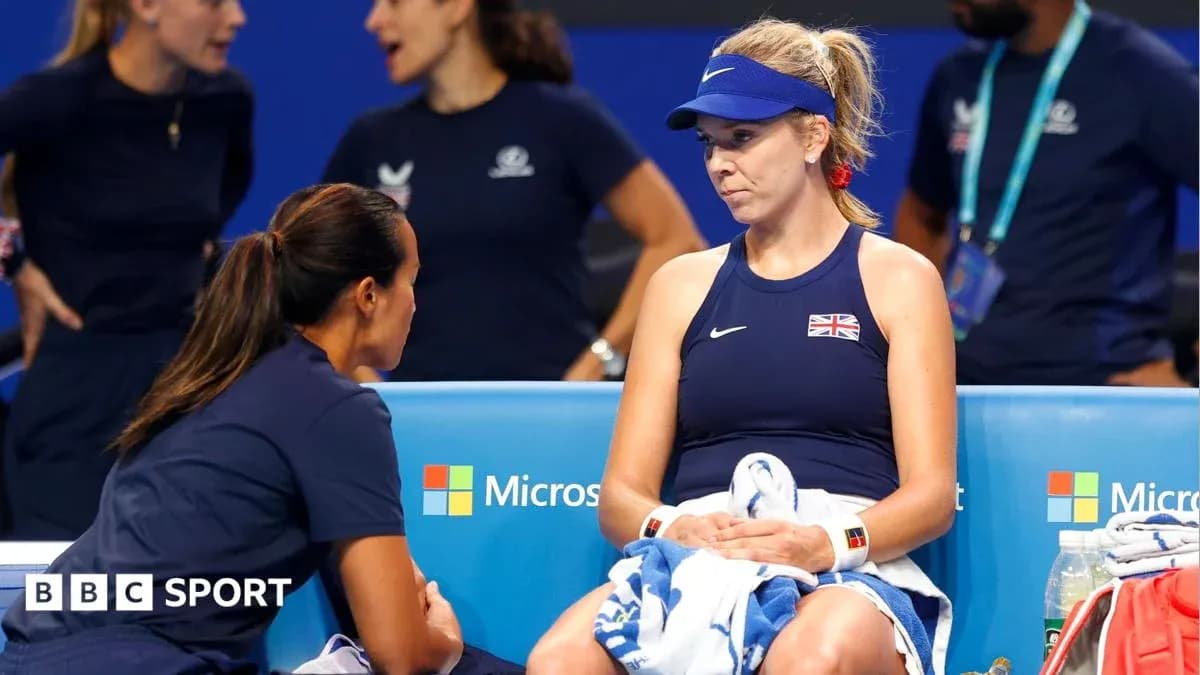
At the other end of the current spectrum stands Coco Gauff, the 21‑year‑old face of tennis’ next generation and the highest‑paid active female athlete in the world. Her estimated $33 million in annual income is enormous by any standard. Yet even at that blistering pace, she remains miles behind Serena’s all‑time mark.
This is the landscape: a small group of women rewriting what is possible in sport, almost all of them making their real money away from the field of play.
The $400 Million Standard
Serena Williams’ numbers look like something out of a different era of sport entirely.
She banked $94.8 million in career prize money, the highest total in WTA history, built on 858 singles wins, 73 titles and 23 Grand Slam singles crowns. Seven Australian Opens. Three French Opens. Seven Wimbledons. Six US Opens. A resume that made her unignorable to brands and investors.
The real fortune, though, sits off court.
Over the last 12 months alone, Serena has pulled in an estimated $50 million before taxes and fees, powered by a stable of long‑term sponsorships with the likes of Audemars Piguet, Lincoln, Nike and Wilson. As CEO of Serena Ventures, she has raised $111 million for a debut fund and backed 16 companies, while also holding minority stakes in the Miami Dolphins, Angel City FC and the WNBA’s Toronto Tempo.
She retired in 2022. Her earning power never did.
Sharapova, Venus and the Chase Pack
Behind Serena, the drop‑off is steep.
Maria Sharapova sits a clear second at around $175 million in estimated net worth. For more than a decade she was the world’s highest‑paid female athlete, cashing in roughly $300 million in combined prize money and endorsements over her career. A five‑time Grand Slam champion who completed the career Grand Slam, she fronted Nike, Porsche, Head, TAG Heuer and Evian at the same time, then layered her own candy brand, Sugarpova, on top. Retirement in 2020 simply locked in what she had already built.
Venus Williams follows at approximately $95 million. Her $42.8 million in prize money ranks fourth in WTA history, but her impact goes far beyond cheques and trophies. A seven‑time Grand Slam singles champion and five‑time Wimbledon winner, she was central in the fight for equal prize money at the majors. Off court, she has turned her fashion label EleVen and interior design firm VStarr Interiors into serious businesses. In 2025, she and Serena added another platform with their joint podcast, Stockton Street.
Danica Patrick, the trailblazer of American motorsport, stands out as one of the few non‑tennis stars near the top. With an estimated $80 million net worth, the only woman ever to win an IndyCar race parlayed her 2008 Indy Japan 300 triumph into a long run of commercial visibility. Partnerships with GoDaddy, Coca‑Cola and Peak antifreeze brought in far more than prize money ever could. Since retiring in 2018, she has shifted into investment, including a 2025 move into Unrivaled, the women’s basketball league.
Naomi Osaka, with an estimated $45 million net worth, represents the modern template: elite talent, global appeal, and a wide‑ranging business portfolio. Between 2019 and 2025 she earned around $230 million, only about $25 million of that from actual match winnings. She co‑founded the sports agency Evolve, launched KINLÒ skincare and production company Hana Kuma, and spent three straight years atop Forbes’ highest‑paid female athletes list, peaking at $57.3 million in a single year in 2021.
Beyond Tennis: Golf, Gymnastics, Skiing and the Octagon
Step outside tennis and the sums shrink, but the stories of dominance remain.
Annika Sörenstam, with an estimated $40 million net worth, defined an era in women’s golf. Seventy‑two LPGA Tour titles, 10 majors and a reputation for relentless excellence gave her the platform to build a business empire. Golf course design, a wine label and the Annika Foundation have all carried her name into the corporate world, while endorsements with Rolex and Callaway outlived her full‑time playing days. She even returned to competitive action at the 2022 US Women’s Open.
Simone Biles, the most decorated gymnast in history, sits around $30 million. Her portfolio includes deals with Audemars Piguet, Lilly, Nulo Pet Food, K18 haircare, and gymnastics specialists GK Elite and Spieth America. The Netflix documentary Simone Biles Rising earned an Emmy nomination, while her decision to step back from several events at the Tokyo Olympics to prioritise mental health turned her into one of the most discussed athletes of the decade — and, crucially, did nothing to dim her commercial strength.
Lindsey Vonn, the most decorated American alpine skier, is estimated at $28 million. Four overall World Cup titles and Olympic gold in Vancouver in 2010 anchored her sporting legacy. Red Bull, Under Armour and Rolex helped build her wealth. Since retiring in 2019, she has remained a visible commercial and media presence.
Ronda Rousey, at roughly $25 million, completes the top 10. The first woman to headline a UFC pay‑per‑view and the first female inductee into the UFC Hall of Fame in 2018, she became a crossover star in MMA, WWE and Hollywood. Endorsements with Reebok and Monster Energy, along with her 2024 memoir Our Fight: A Memoir, stem from peak years between 2014 and 2016, when she was one of the most recognisable athletes on the planet.
Coco Gauff and the New Money Era
Coco Gauff’s presence on this list at just 21 tells its own story.
Her net worth is currently estimated at about $28 million, yet her annual earnings already dwarf that figure. Forbes’ 2025 rankings placed her at the top of the female earnings table at $33 million, ahead of Aryna Sabalenka ($30 million) and Iga Swiatek ($25.1 million). Around $8 million came from the court — boosted by a French Open title — while $25 million flowed from endorsements with New Balance, Bose and Baker Tilly.
She is the fastest riser in this financial hierarchy. The gap to Serena remains huge, but the pattern is familiar: prize money as the foundation, endorsements as the skyscraper.
The Numbers Behind the Headlines
Strip the list down to its basics and a clear picture emerges.
Only five women in sports history have earned more than $30 million in a single year: Naomi Osaka, Serena Williams, Coco Gauff, Maria Sharapova and Aryna Sabalenka. For the very top female athletes, about 70% of total income comes from endorsements, compared with roughly 35% for their male counterparts.
The top‑10 net worth range runs from Serena’s $400 million to Rousey’s $25 million. Almost all of it has been built not on salaries or prize money, but on what their names, stories and achievements are worth to brands and investors.
Serena remains the benchmark. Gauff is the current pace‑setter among active stars. Osaka, Sharapova, Venus and others have shown what a decade or more at the top can yield.
The question now is not whether another woman will join them in the nine‑figure club. It’s who gets there next — and how quickly the next generation can turn sporting dominance into lasting, Serena‑level wealth.