Asia steps into the spotlight on Monday as the WTA tour snaps straight from New York’s hard-court cauldron to its fall swing, with the upgraded Singapore Open and the Korea Open opening a new chapter in the 2026 season.
The US Open may grab the headlines, but it no longer draws the curtain.
Singapore steps up to the big stage
Singapore returns to the calendar with a louder voice this year. Once a modest WTA 250 stop, the Singapore Open has been elevated to WTA 500 status, and the draw reflects it. Ranking points, prize money, and prestige have all gone up, and so has the quality of the field.
This is a tournament with a curious past. First staged in 1986, it should, by rights, boast four decades of champions. It doesn’t. The event disappeared from 1991–1993, vanished again from 1995 all the way through 2024, and only re-emerged on the WTA map in 2025.
When it did, Elise Mertens made herself at home. The Belgian lifted the trophy last year and returns now as the fourth seed, defending champion at a tournament that is still reintroducing itself to the wider tennis world.
The field was supposed to be headlined by Jessica Pegula, fresh off a run to the 2026 US Open semifinals. Her withdrawal looked, at first glance, like a major blow. It hasn’t turned out that way.
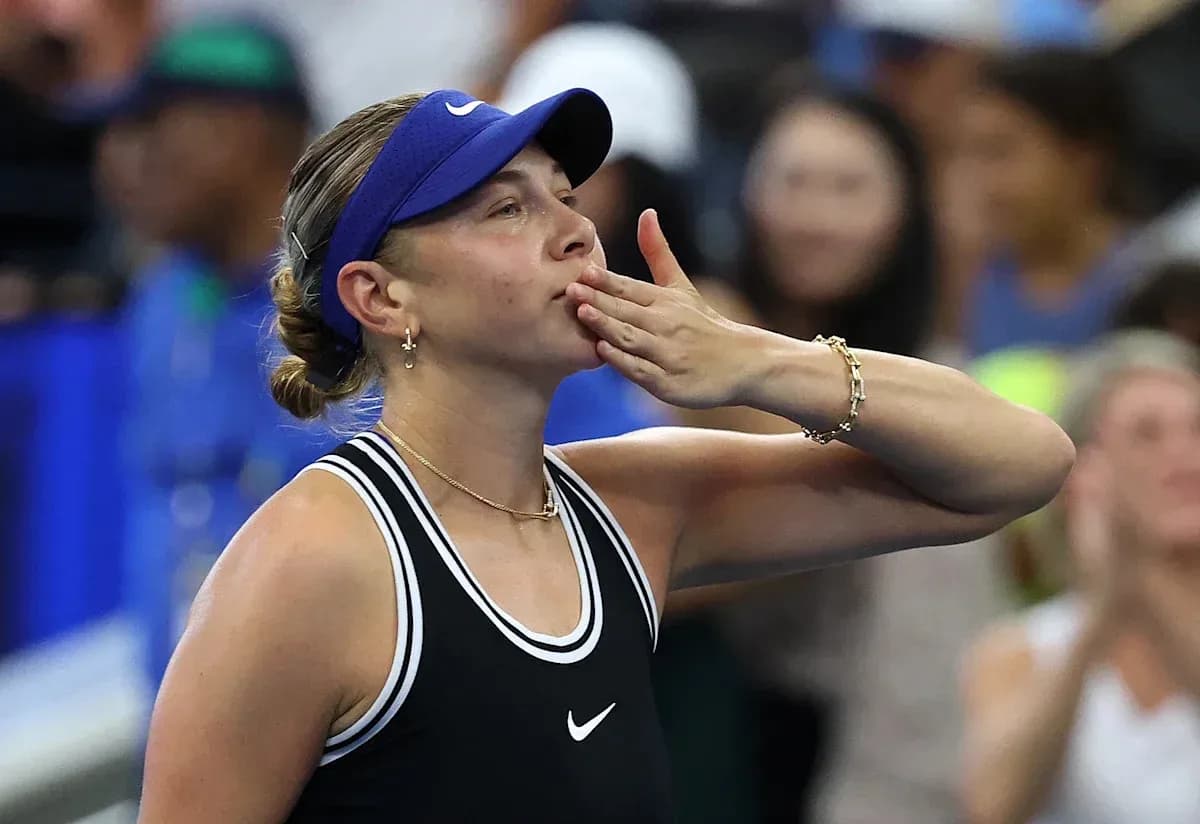
The reshuffled draw now belongs to Mirra Andreeva. The 2026 French Open champion steps in as the new top seed, bringing Roland Garros pedigree to the indoor hard courts of Singapore. Behind her, Amanda Anisimova anchors the field as the second seed, a proven threat on hard courts and a player who can catch fire quickly.
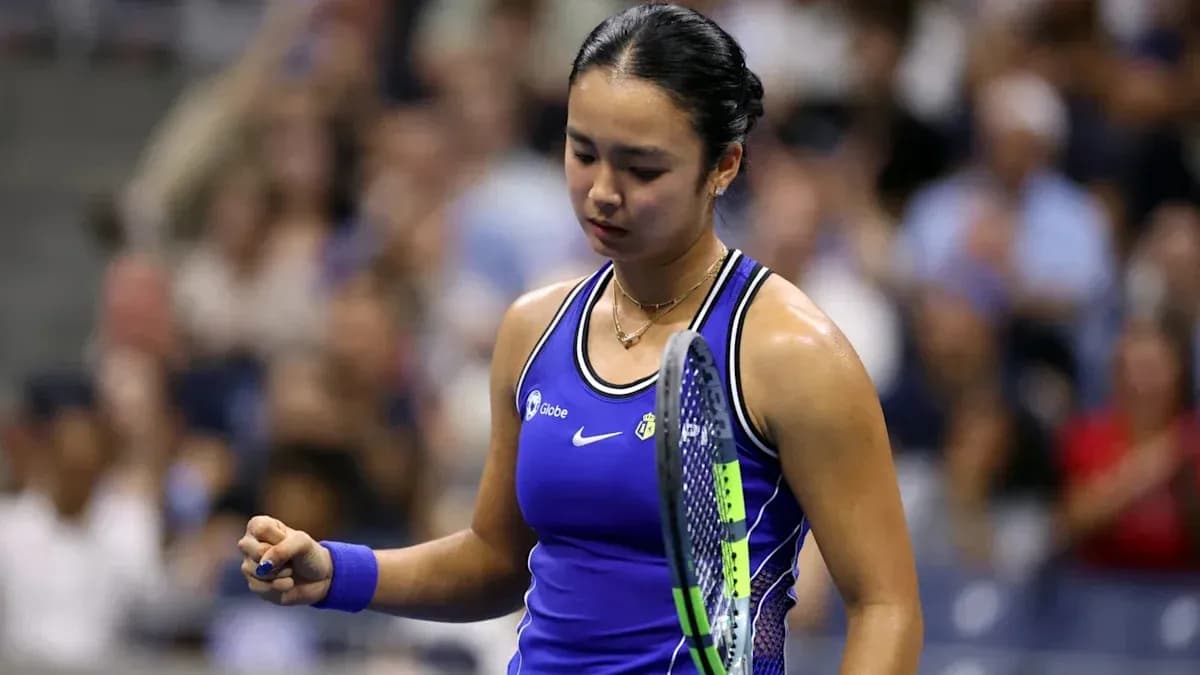
Then comes the name that has transformed the week from a standard tour stop into a cultural event: Alexandra Eala.
Eala mania hits Singapore
Eala, the 19-year-old Filipina, arrives as the third seed and as one of the faces of tennis in Southeast Asia. Her presence has turned the Singapore Open into a regional happening, not just a line on the WTA schedule.
The scenes around her say as much as any ranking. Nike has rolled out custom Alexandra Eala merchandise, built around the sampaguita, the national flower of the Philippines. It’s not just a logo tweak. It’s an identity play, a nod to where she comes from and who she represents.
Fans have responded. Lines have snaked outside the store for hours, supporters waiting patiently just to get their hands on Eala-branded gear before even seeing a ball struck. For a player still carving out her place at the top of the game, this is the kind of momentum that can change careers and reshape markets.
On court, the expectations will be heavy. Off court, they already are.
Korea Open holds its own
While Singapore grabs attention with its new WTA 500 badge, the Korea Open quietly offers its own intrigue as a WTA 250 event. It has a marquee name of its own at the top of the draw: Jelena Ostapenko.
The Grand Slam champion from Latvia brings box-office power to Seoul. When Ostapenko is in a draw, rallies are short, winners are loud, and nothing feels safe for more than a point or two. As top seed, she will be expected to set the tone for the week and to turn the event into a showcase of first-strike tennis.
Both tournaments serve different purposes but share the same undercurrent: this is not a postscript to New York. It’s a launchpad.
The Asian swing has often been where players salvage seasons, build rankings, or announce themselves ahead of the following year. With Singapore reborn as a WTA 500, a defending champion in Mertens, a Roland Garros winner in Andreeva, a surging star in Eala, and Ostapenko fronting the field in Korea, the question is no longer whether there’s life after the US Open.
It’s which of these women will seize it first.