Stan Wawrinka always did like a fight. It was fitting, then, that his last act on a Grand Slam stage was to go down swinging, eyes moist, heart on his sleeve, and a New York crowd roaring him into retirement.
On a packed Grandstand court at Flushing Meadows, the 41-year-old Swiss walked into what everyone suspected might be his final major match. By the end, after a straight-sets defeat to Matteo Berrettini, it became clear it was exactly that. The scoreline will fade. The noise will not.
A late wildcard, a perfect farewell
Wawrinka should not have been there at all. Initially passed over for a US Open wildcard, he had already left New York and retreated to the Swiss mountains when the call came on Wednesday: American Patrick Kypson had withdrawn, a spot had opened, did he want it?
He did not hesitate. Bags repacked, flights rearranged, the three-time major champion crossed the Atlantic one more time to say goodbye in the city where he lifted the trophy in 2016. For him, it mattered. For the tournament, the decision to reverse course proved inspired.
The 8,000 seats on Grandstand filled early. Fans queued long before the first ball, many there for the match, most there for the moment. They knew this could be his last Grand Slam appearance. They wanted to be part of it.
Chances missed, ovation earned
On court, Wawrinka did what he has done for two decades: he competed. The old backhand still cracked, the forehand still bullied, the legs still chased. Against the 2021 Wimbledon finalist, he carved out real chances.
He held a set point in the opener. Three more in the second. Each time, Berrettini shut the door, surviving the danger and then tightening his grip. Once the Italian escaped those traps, the third set raced by, youth and power finishing the job that nerve had started.
The handshake at the net was brief but respectful. Berrettini, who had just ended a career at the majors, stepped back and led the applause. The stage belonged to Wawrinka now.
Heart gestures and a final roar
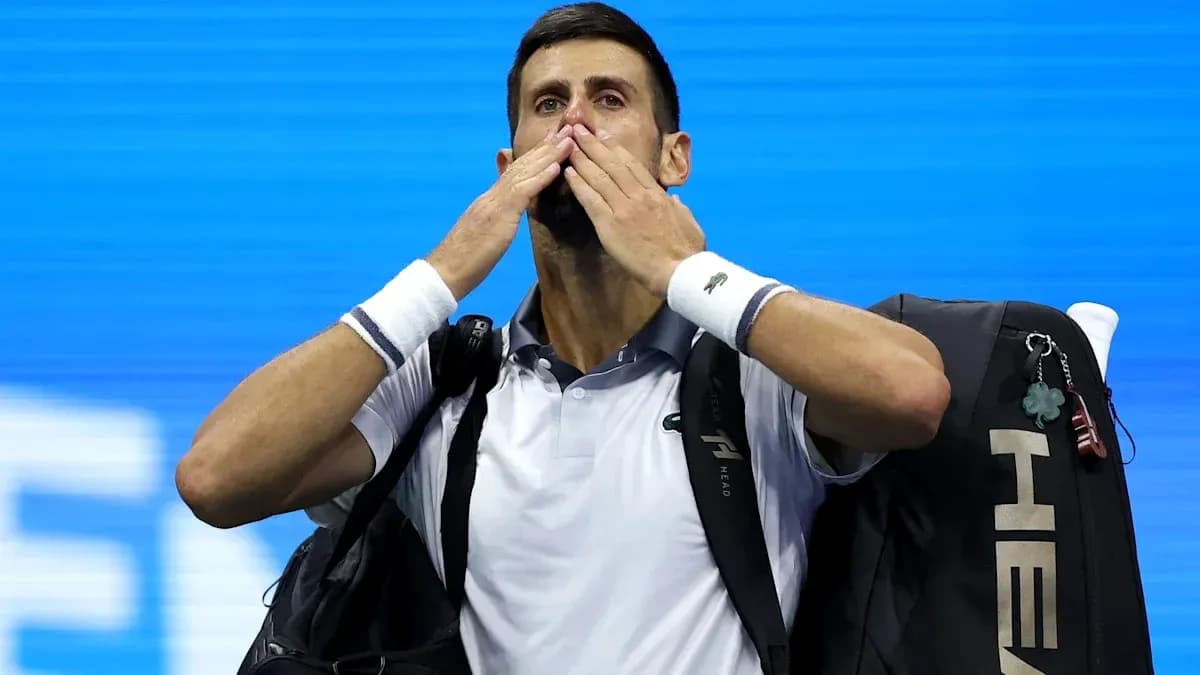
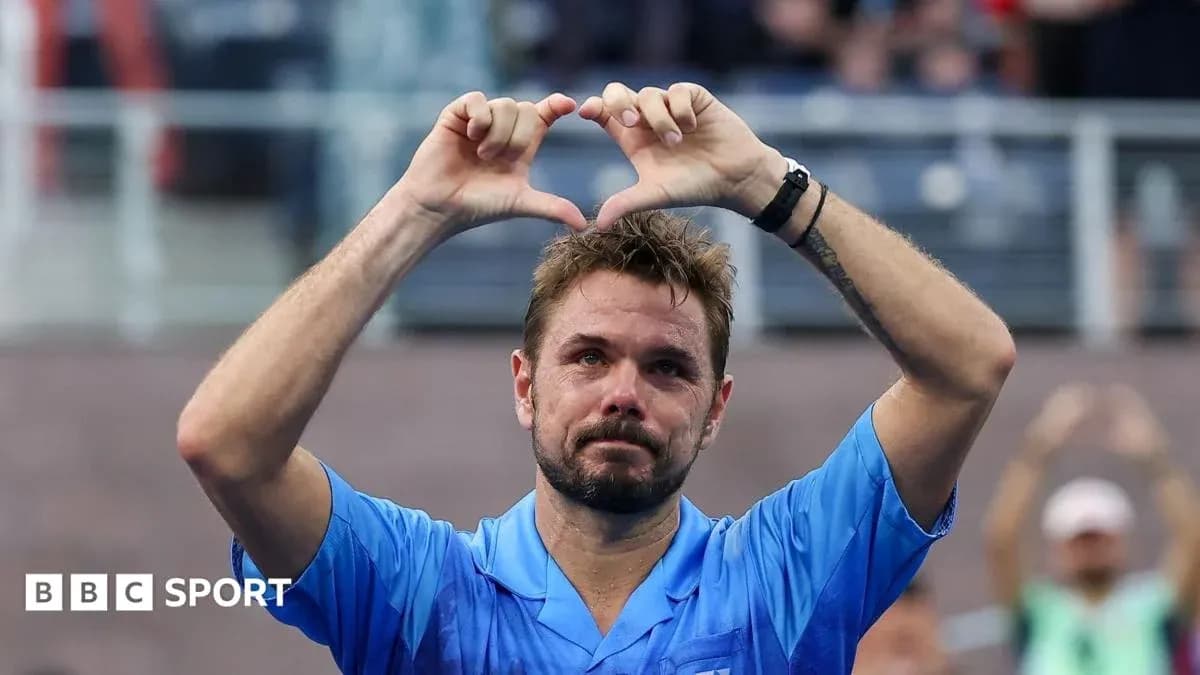
What followed was pure Stan. He traced a heart with his fingers. He pressed a hand to his chest. He turned slowly, taking in every corner of the arena as the noise swelled around him. The crowd was already on its feet, but he waved his arms, demanding more, inviting one last surge.
They obliged. The sound rolled down from the stands, a tribute to a player who had never been content to play a supporting role in the era of giants.
Wawrinka began knocking balls into the crowd, souvenirs sent into the night. A decade earlier, he had stood on this site as US Open champion. Now he stood as something different: a survivor, a cult hero, a man who had wrung every drop out of his talent and his body.
He spoke of why he kept going until 41, of moments like this, of his gratitude for the wildcard that allowed him to finish in New York. He thanked the fans for “all these years,” voice catching, eyes glassy.
From the side of the court, he received a photo montage of his 2016 triumph from chief executive Craig Tiley, a framed reminder of the night he broke through in Queens. The symbolism was obvious. The circle was closed.
Legacy of a fighter
Wawrinka will be remembered for that one-handed backhand, a stroke that seemed carved rather than hit, and for a competitive streak that never dulled. Afterward he spoke of feeling “super grateful” for the farewell, of the validation that came from the stands.
For him, the cheers confirmed what the results had long suggested: that the way he went about his work mattered. Always fighting. Always showing up. Always pushing himself to the limit.
Those were his words. That was his career.
In an age dominated by the sport’s biggest names, Stan Wawrinka forced his way into the conversation by sheer force of will and shot-making. On Grandstand, under the New York lights, the sport answered back with something simple and powerful.
Respect.