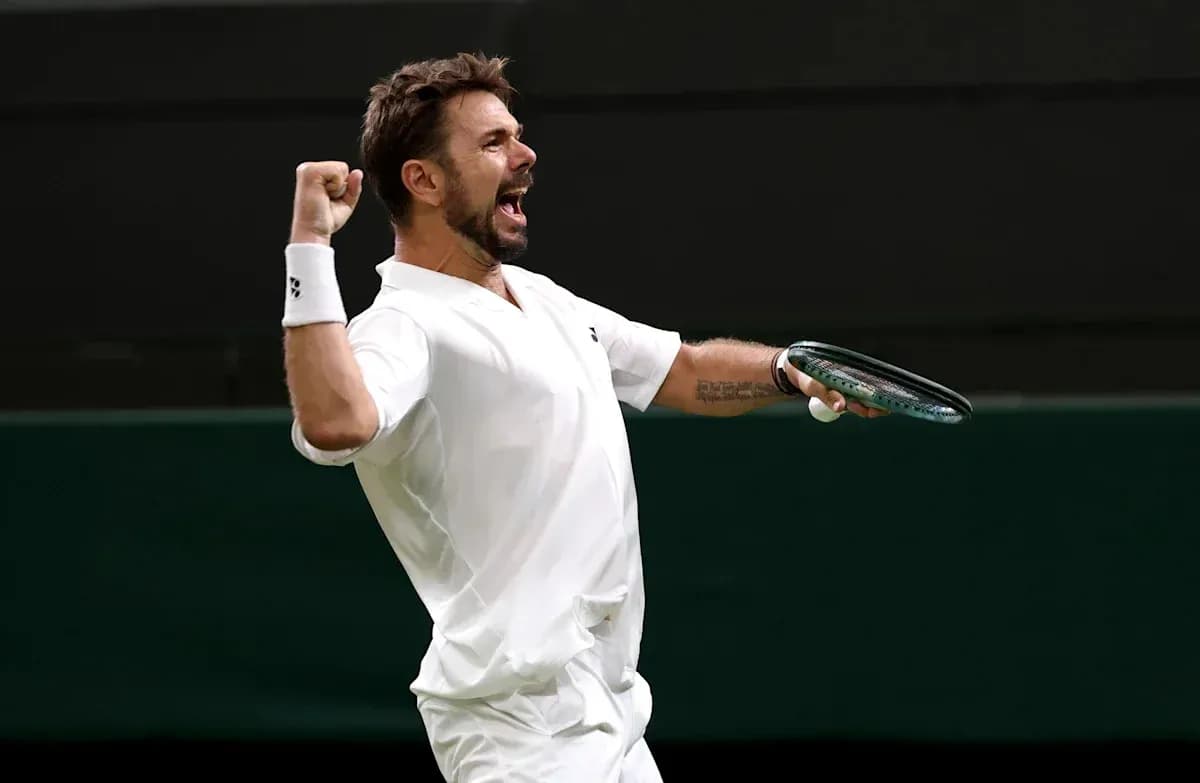
Stan Wawrinka will finally receive the goodbye he deserves at the 2026 US Open, on the court that crowned him a champion 10 years ago. A decade since the one‑handed Swiss maestro tore through Flushing Meadows to claim the 2016 title, New York gets to stand and applaud the man who crashed the Big Four’s private party and refused to leave quietly.
For many, Wawrinka is a name on a draw sheet. For others, he has been a constant soundtrack to their sporting lives. Eighteen years in the spotlight. Three Grand Slam titles. One of the most violent, beautiful backhands the sport has ever seen.
The first time the writer of this story saw him, Wawrinka wasn’t yet “Stan the Man”. He was just Stanislas, a solid Swiss pro in the shadow of Roger Federer, sharing a court in Indian Wells with a rising force named Novak Djokovic. The setting was the 2008 Pacific Life Open, now the BNP Paribas Open, the biggest event outside the four majors. A father-and-son road trip to the California desert. A first men’s match. Djokovic, fresh off his 2008 Australian Open triumph, won their quarter-final 7-6, 6-2. It felt routine. It was anything but the end.
Wawrinka would keep coming.
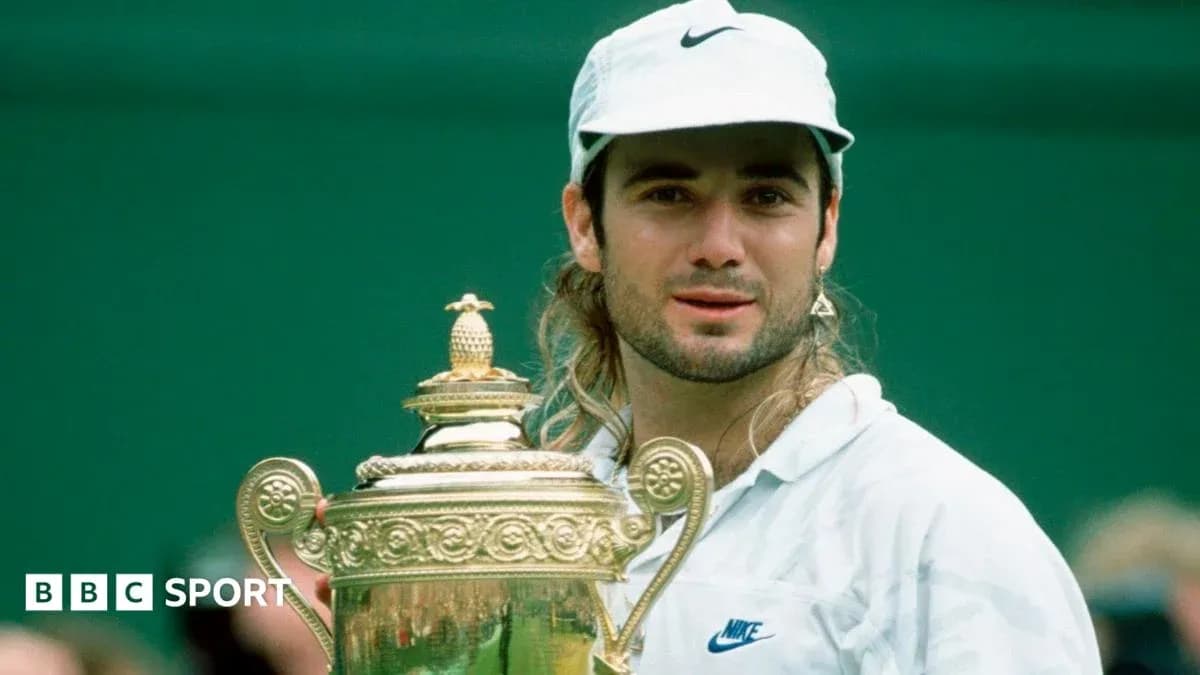
As the years rolled on, Juan Martin del Potro’s 2009 US Open win stood as the lone non–Big Four major for a time. Then Wawrinka changed the script. He didn’t just nick one title and fade away. He took three. The 2014 Australian Open. The 2015 French Open. The 2016 US Open. Each time, he ripped through the draw with that sledgehammer of a backhand and a stubborn belief that he belonged on the biggest stages alongside Federer, Rafael Nadal, Djokovic and Andy Murray.
At his peak, he was a spectacle. The one‑handed backhand has always had its artists, but Wawrinka turned it into a weapon of destruction. He didn’t just caress the ball; he detonated it. Cross-court, down the line, on the run, off-balance – it didn’t matter. That Yonex racquet he wielded during the 2014 Australian Open became an object of devotion for those who watched him that fortnight. Some still own the same model, a souvenir from a time when he bullied the very best off the baseline.
His legacy isn’t confined to singles. Wawrinka played a huge part in Federer’s Olympic doubles gold in Beijing in 2008, an achievement that still glows on Federer’s glittering résumé. He then helped carry Switzerland to Davis Cup glory in 2014. In a nation defined by one legend, Wawrinka made sure the story of Swiss tennis had more than one chapter.
The first major breakthrough felt surreal. Australian Open 2014. Nadal, injured but still Nadal, across the net. Wawrinka won in four sets. For many watching in the small hours, in student rooms and cramped flats around the world, it felt like an anomaly, a glorious one-off. Then he went to Paris in 2015 and tore through Roland Garros. Then he owned New York in 2016. A pattern emerged. On his day, under the bright lights, Wawrinka didn’t just compete with the Big Four. He beat them.
Now comes the final act.
At the 2026 US Open, he steps out to face Matteo Berrettini, a former Wimbledon finalist whose own career has been repeatedly interrupted by injuries. It’s the kind of match that sells itself: a beloved veteran with nothing left to prove against a big-hitting Italian still trying to reclaim his peak. A popcorn match, the kind you don’t dare leave your seat for.
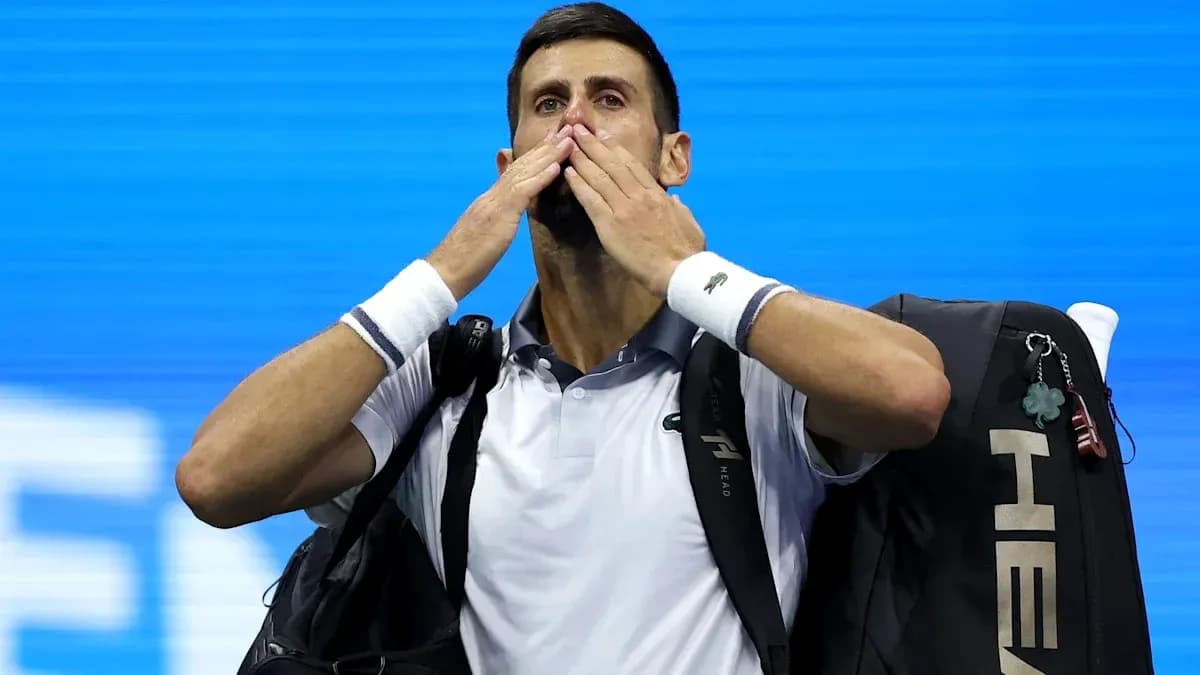
If Wawrinka wins – and at this stage of his career, that “if” looms large – a familiar name likely awaits in the second round. Djokovic. The same Djokovic he stunned at Roland Garros in 2015. The same Djokovic he outlasted in New York in 2016. The rivalry has never been as hyped as Nadal–Djokovic or Federer–Nadal, but when Wawrinka has met Djokovic deep in majors, the results have often been seismic.
There is a strange ache when a player like this edges toward the exit. For a serious chunk of modern tennis fans, Wawrinka isn’t just a player; he’s a timeline. Childhood afternoons, teenage late nights, early-adult dawns, all pinned to his matches. When he walks away, a personal era ends too. The sport carries on. The calendar rolls over. The tour doesn’t pause to grieve.
In club football, the badge endures. Tottenham Hotspur remain Tottenham Hotspur, whether the cast list reads Harry Kane and Moussa Dembélé or Flavio Cobolli, Sandro Tonali and Savio in the broader sporting consciousness. Teams rebuild, regenerate, and the colours stay the same.
Tennis is harsher. There is no club to cling to. Players are the franchise. When they retire, it’s over. They might reappear in coaching boxes, in commentary booths, in ceremonial roles, but the heartbeat changes. Even Juan Carlos Ferrero, once a staple presence in the sport and now a coach, won’t be there forever.
That is the reality Wawrinka’s fans now face. When a tennis player retires, the chapter doesn’t just close; the book ends. The tour surges forward with new names, new styles, new rivalries. You either ride the wave or you get left behind, staring at old scorelines and faded highlights.
For now, though, there is still one more swing of that backhand to savour. One more walk into Arthur Ashe Stadium. One more chance to roar his name into the New York night.
GO GET EM STANISLAS WAWRINKA BABY !!!!!!!!!!!!!!!!!!!!!!