Aryna Sabalenka’s season ended not with a statement, but with a crack of graphite and a slump to the baseline.
Elina Svitolina, calm where Sabalenka burned, beat the former world number one 6-3 3-6 6-1 to book her place in the knockout stage at the WTA Finals and underline, once again, why she remains one of the tour’s toughest competitors when the stakes rise.
Svitolina’s steel, Sabalenka’s storm
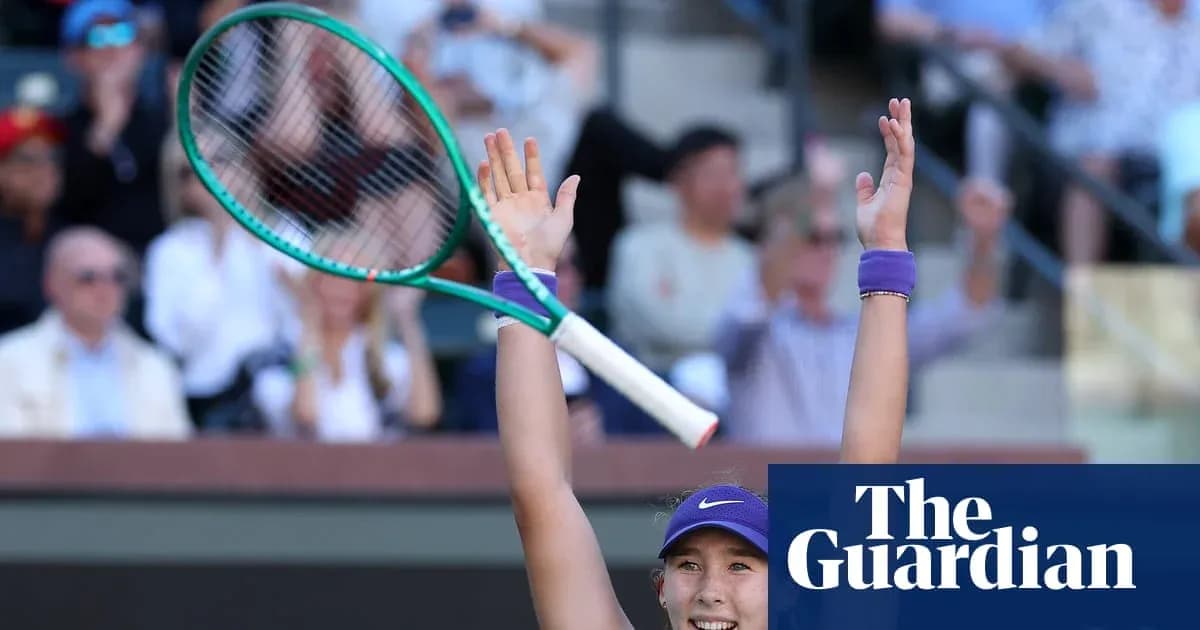
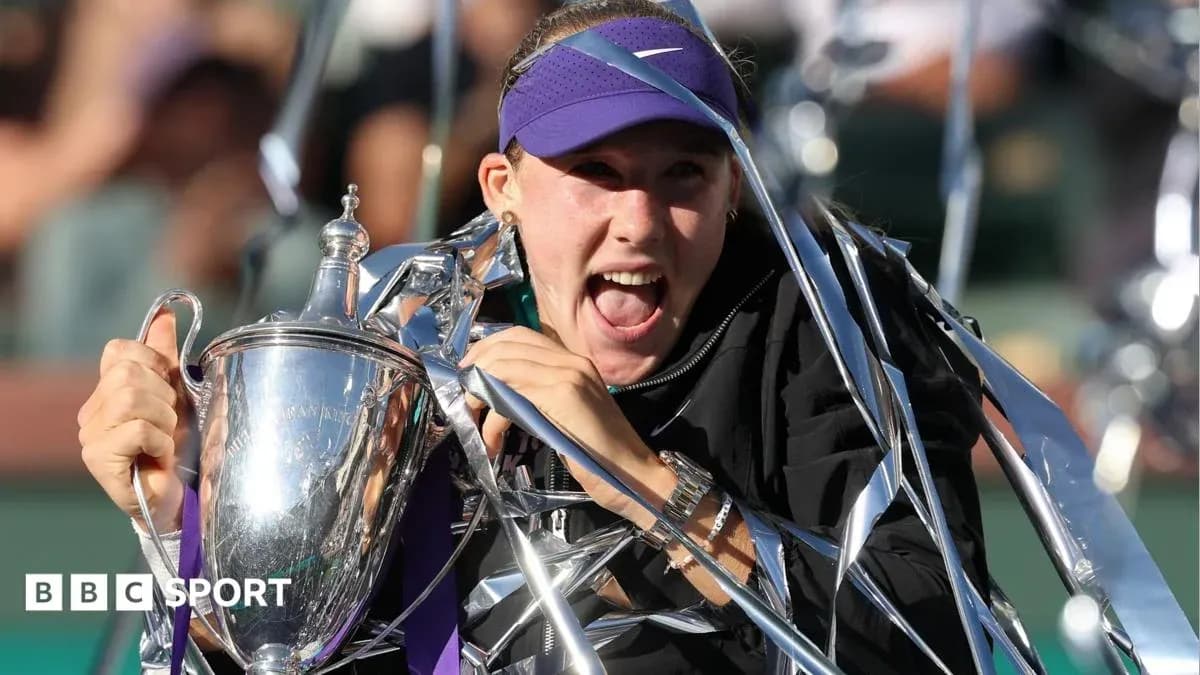
The match felt like a test of nerve as much as of ball-striking. Sabalenka started as if determined to erase the memory of her collapse two days earlier, when she lost the last 11 games in a heavy defeat to Mirra Andreeva. She came out swinging, breaking immediately with a searing angled forehand and roaring toward the back fence.
But the familiar storm soon gathered.
From 2-0 up, Sabalenka’s game began to fray. Errors crept in, then flooded. Svitolina, who has built a career on absorbing pace and punishing lapses, simply waited, then pounced. The Ukrainian reeled off six of the next seven games to take the opening set, breaking Sabalenka twice to love. Each love break cut a little deeper into the Belarusian’s confidence.
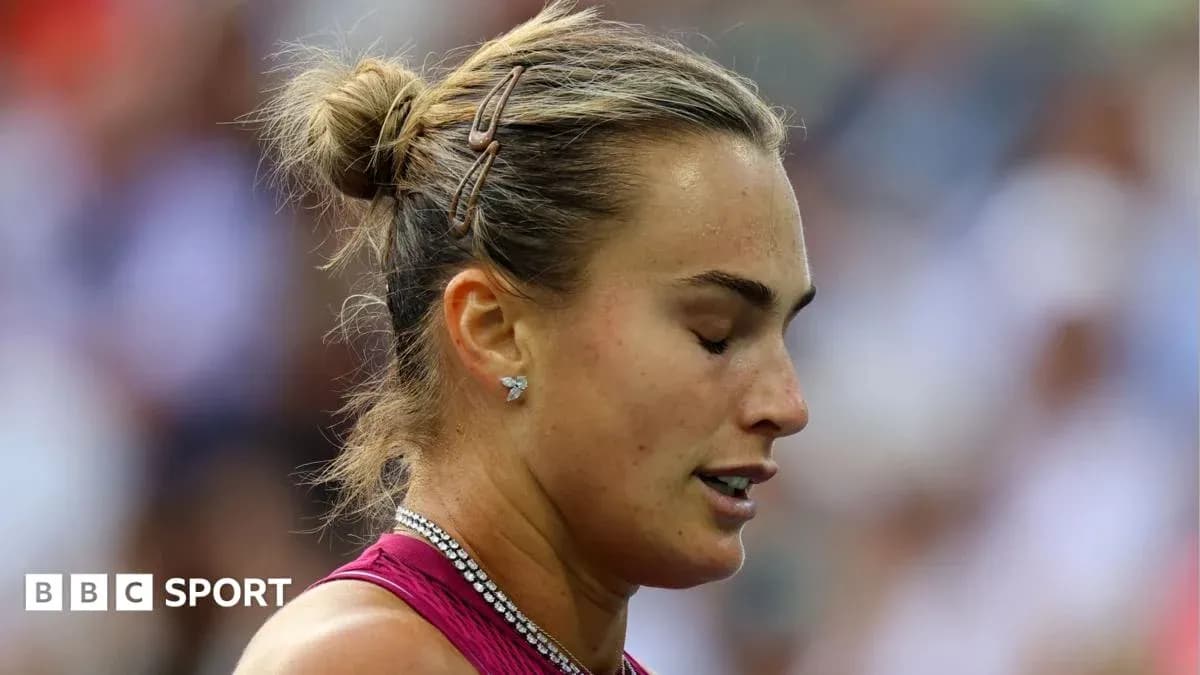
Sabalenka’s frustration boiled over. She hammered her racquet into the court, then crouched down at the back of the baseline, almost folding into herself as the prospect of another early exit loomed.
A fierce response, then a brutal collapse
What followed in the second set was the version of Sabalenka that dominated so much of this season. She tightened the margins, cut out the wild swings, and let her power do the talking. The unforced errors dropped, the first serve returned, and the scoreboard tilted sharply in her favour.
A double break carried her to 5-1. The forehand found its range, the backhand pinned Svitolina into the corners, and the world number six looked briefly overmatched. Sabalenka needed two attempts to close out the set, but she did, 6-3, dragging the contest into a decider and, for a moment, dragging herself back into the tournament.
Then the inconsistency that has shadowed her biggest moments this year came roaring back.
Sabalenka grabbed an early lead in the final set, only to let it slip again. This time Svitolina did not offer a way back. The Ukrainian stayed compact, disciplined, and unflustered as the match tightened, while Sabalenka’s emotions surged to the surface once more. A thrown racquet marked the turning point; from there, Svitolina took control.
Sabalenka saved two break points with bold hitting, but a double fault on the third handed Svitolina the chance she wanted. The 2018 champion did not blink, sealing the break and then marching through the final games with clinical composure to take the decider 6-1, winning the last six games of the match.
“It was an extremely tough match, especially mentally. I was just trying to play one point at a time,” Svitolina, 32, said afterward. “This is the tournament where you bring everything to the table and try to play every game as if it’s the last.”
She played like it.
Svitolina back on the big stage
This run at the WTA Finals marks a full-circle moment for Svitolina. Champion in 2018, finalist again in 2019, she is back at the season-ending showpiece for the first time since then, having returned to the top 10 this year for the first time since 2021.
She finishes the group as runner-up to Mirra Andreeva and now faces Czech world number eight Linda Noskova in the semi-finals. On the other side of the draw, Andreeva meets Jessica Pegula for a place in Sunday’s final.
For Svitolina, who has rebuilt her ranking and her game after time away from the sport, this week already confirms her return to the elite. For Sabalenka, it throws up more uncomfortable questions.
A glittering year with a sharp edge
Strip away the emotion of this defeat and Sabalenka’s season still gleams. She reached the final at both the Australian Open and the US Open, claimed three titles, and completed a rare Sunshine Double with triumphs at Indian Wells and Miami. She arrived at the Finals with the best win percentage on the women’s tour this year: 81%, with a 47-11 record.
She has been ruthless in straight-sets wins, more than any other player this season with 43 such victories. Against fellow top-10 opponents, she has taken eight of 13 meetings, with four of those defeats coming on the sport’s biggest stages: two in major finals against Elena Rybakina, and two this week.
Yet the numbers also reveal the sting. Over the past four seasons, Sabalenka has reached at least the semi-finals at 13 of the last 16 majors she has played, an extraordinary level of consistency at the slams. But she has lost more major finals (five) than she has won (four) in that period.
Her reign as world number one ended after 99 weeks when Rybakina overtook her following their US Open title showdown in September. She came to the Finals chasing a first title at the season-ending event, having reached the knockouts in each of the past four years and lost last year’s final to Rybakina. She leaves again without the trophy.
The pattern is hard to ignore: the higher the stakes, the more her mental battle seems to match the one across the net.
The question Sabalenka must answer
Against Svitolina, the contrast was stark. One player rode out the rough patches, stayed present in the big points, and trusted her patterns. The other veered between brilliance and implosion, her body language sagging just when she needed clarity most.
Sabalenka’s power still terrifies opponents. Her ceiling remains as high as anyone’s in the game. But as another season closes with racquet shards and a bowed head, the challenge in front of her is no longer just tactical or technical.
In those career-defining moments she craves, can she find the calm that Svitolina showed so effortlessly—and turn all that force into a finish?