Top Tennis Players Shift From Public Prize Money Dispute to Private Talks with Grand Slams
After nearly a year and a half of tension, leading tennis players have paused their public fight against the Grand Slam tournaments over prize money distribution. Instead, they are moving toward private discussions to push their agenda forward. Stars like Jannik Sinner and Aryna Sabalenka, both world No. 1s, made a joint statement demanding better player welfare initiatives, the creation of an athlete advisory council, and a fairer share of tournament revenue.
In August, the Grand Slam organizers responded by forming the player advisory council the athletes had requested, signaling progress. This development helped convince the players to end their public protests and relax media restrictions as of September 14th.
What the Players Are Still Fighting For
The formation of the advisory council marked a significant win, but negotiations continue behind closed doors. The players are now focusing on two main issues: contributions to player welfare programs and increasing their earnings.
Initially, the players asked for prize money to reach 22% of total revenue by 2030, matching the payout levels seen at ATP and WTA 1000 events. Although the 2026 U.S. Open offered the largest prize pool ever—$108 million—it represented only about 18% of its operating revenue. Other Grand Slams typically allocate between 14% and 16% of total revenue for prize money.
Player health concerns also remain urgent. Several top competitors, including Jannik Sinner, who suffered heat-related illnesses at this year’s French and Australian Opens, along with Novak Djokovic, Casper Ruud, and Lorenzo Musetti, have highlighted the need for improved welfare support given changing match conditions.
Chronology of the Dispute
- July 31, 2025: Players submit formal proposal to Grand Slam organizers, primarily about prize money.
- Throughout 2025-2026: Discussions expand to include player welfare and the call for an advisory council.
- May 2026: Players limit press conference time to 15 minutes, symbolizing their 15% share of Grand Slam revenues.
- Wimbledon 2026: A planned boycott was narrowly avoided through late negotiations.
- September 14, 2026: Players halt public actions following the announcement of the player advisory council.
Voices from the Court
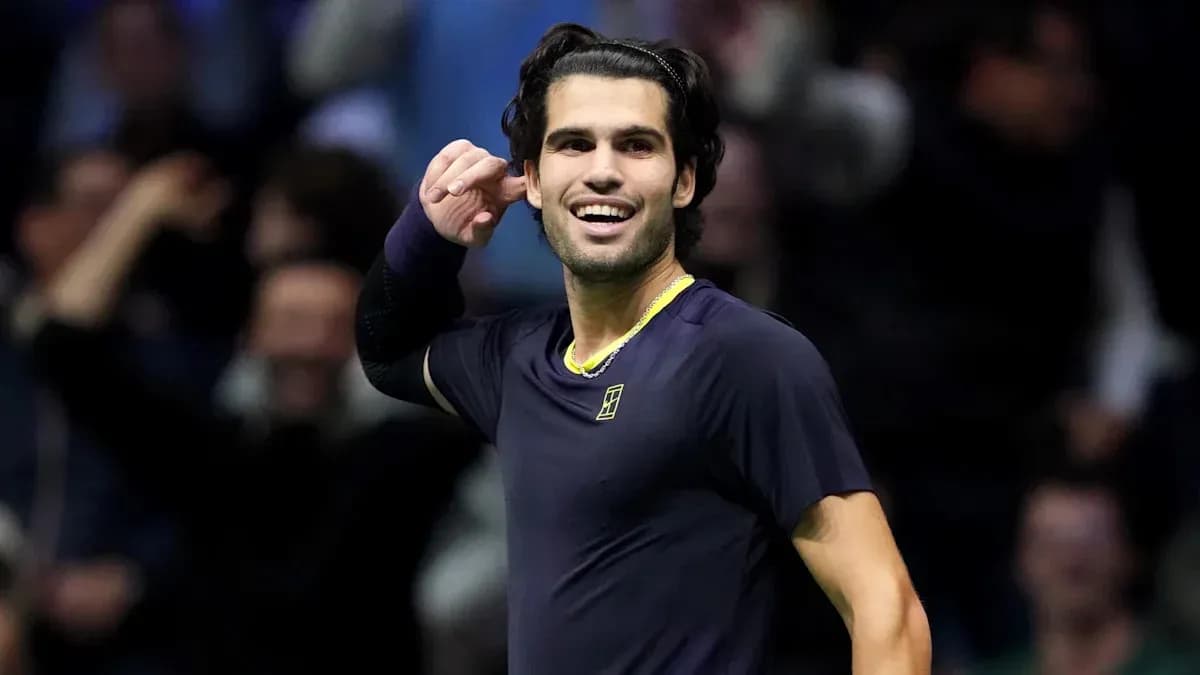
Carlos Alcaraz, ranked No. 2 in men's tennis, initially supported the movement but later stepped back before the U.S. Open. He stressed that welfare issues are his priority over prize money concerns, recalling exhausting moments such as finishing a quarter-final match at 3:33 AM. "I plan to take longer breaks in the future, maybe one or two months off tournaments because it’s impossible to play them all," he shared.
Meanwhile, tennis legend John McEnroe, speaking at the Laver Cup, pushed for stronger measures. "Players should be partners in the majors," he said. "The fact they aren’t leads to friction because their revenue share is so small. In my view, the only way to make progress is by boycotting one or two tournaments."
The Advisory Council and What’s Ahead
The newly formed twelve-member advisory council, balanced equally between men and women, was announced in late September. Fans and players alike are watching closely to see if this group can bring about the meaningful changes tennis has long awaited.