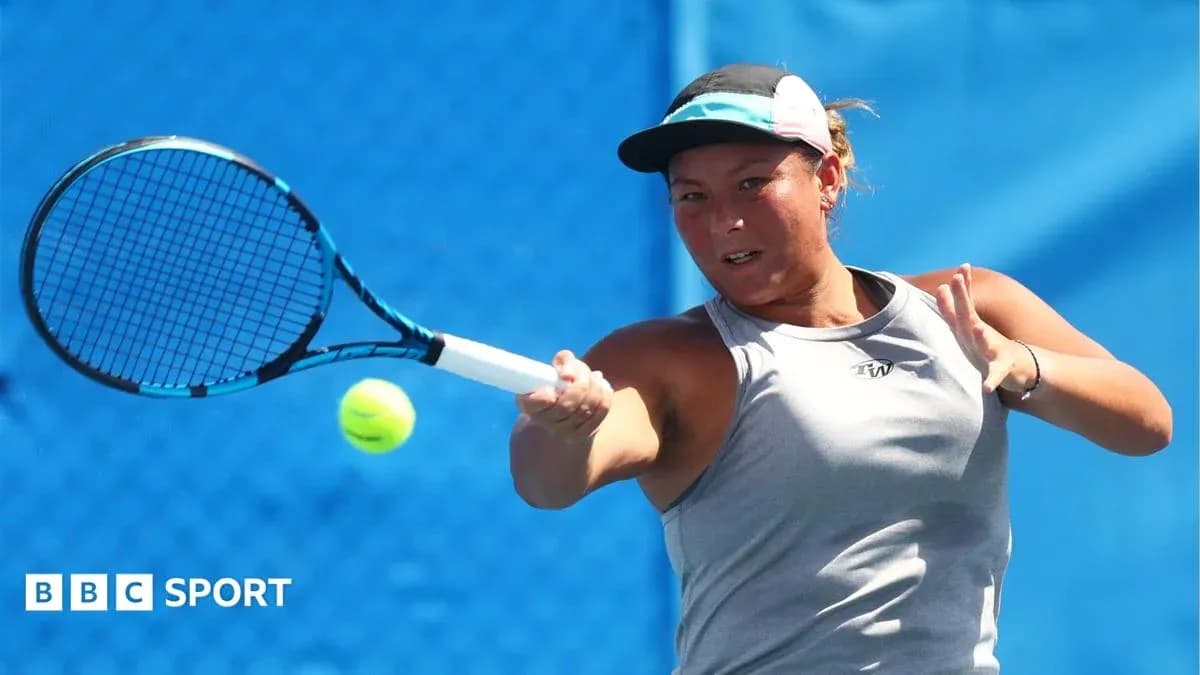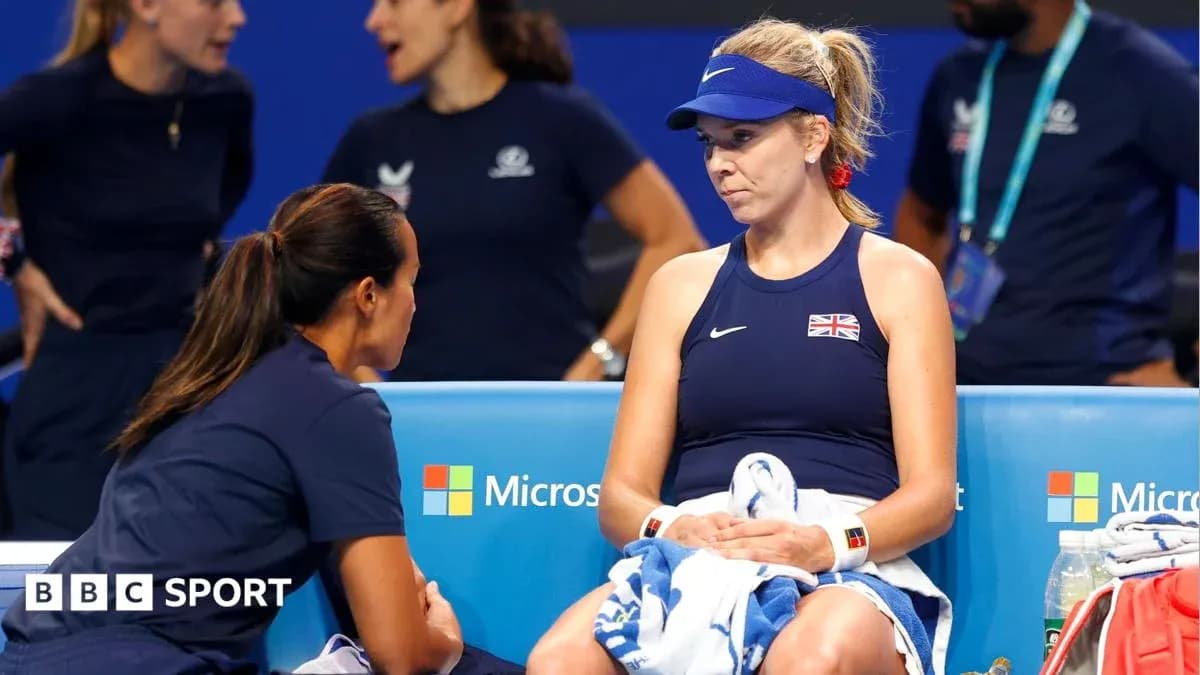
The players who rattled the tennis establishment over the last two seasons are changing tactics.
A group of leading professionals, which has spent months publicly pushing for a bigger say in how the four Grand Slam tournaments are run and how their billions are shared, will wind down its open campaign. The fight is not over. It is simply moving indoors.
Instead of statements, symbolic protests and reduced media duties, the athletes will now channel their demands through a new Player Advisory Council, created in direct cooperation with the Grand Slam tournaments, according to Asharq Al-Awsat.
From public pressure to permanent negotiations
The shift marks a new phase in a campaign that began in March 2025, when the group called for three core changes:
- a stronger role for players in Grand Slam decision-making,
- increased investment in player welfare,
- and a larger share of tournament revenues, with a clear target — 22% of revenues going to prize money.
Their message was simple: the majors cannot exist at this scale without the athletes, so the athletes should have a permanent seat at the table and a bigger cut of the money.
The pressure escalated this season. Players scaled back pre-tournament media commitments at the French Open and Wimbledon, a visible reminder of who actually drives interest in the sport. Under that strain, all four Grand Slam events raised their prize funds.
Now, instead of sporadic confrontations, the players want a standing structure. Through the new Player Advisory Council, they say they will be “consulted directly” and able to negotiate with the majors on a permanent basis. The ad‑hoc campaign gives way to a formal channel — and a test of whether dialogue can deliver what public pressure began.
Money on the table
The numbers show why the group believes it already has momentum.
Prize money at the Australian Open climbed to $79.92 million this year. Roland Garros reached $71.56 million. Wimbledon pushed its pot to $86.79 million. The US Open went even higher, setting a record with $108 million.
By the group’s own estimate, more than $30 million of the recent increases across the majors sit above historical growth trends. That is not an accident. It is the direct result of a coordinated player push that forced the Grand Slams to respond.
The French Open has gone a step further, proposing to tie payments to tournament profits — a model the players have openly welcomed, as it links their earnings to the success they help generate.
Yet the central demand remains unmet. The athletes still want 22% of Grand Slam revenues to flow into prize money by 2030. They are not there yet, and they know it.
Player welfare enters the frame
This movement has never been only about cheques for champions.
The US Open has become the first Grand Slam to formally commit funds specifically to player welfare, pledging $2 million. It is a symbolic figure in the context of overall revenues, but a significant marker in terms of priorities. The group has made clear it expects that amount to grow and wants the other three majors to follow with similar commitments.
For players outside the very top tier, welfare provisions — from medical support to travel and accommodation structures — can define the length and quality of a career. The group is betting that a council with real influence can lock those gains in and expand them.
A truce, not a surrender
The public campaign is ending, but the language from the players leaves no doubt: this is a conditional pause, not a white flag.
They have welcomed the prize-money surge. They have acknowledged the first steps on welfare. They have embraced the French Open’s profit-linked model and the US Open’s welfare fund. Yet they have also drawn a clear line. If the new Player Advisory Council fails to deliver on the goals they have set — especially that 22% revenue share by 2030 — they reserve the right to restart the campaign.
The next moves will not play out on social media or in tense press conferences before first-round matches. They will unfold in meeting rooms with tournament executives, financial projections on the table, and a new council claiming to speak with the collective weight of the locker room.
The players have forced the majors to listen. Now they want to see how much the sport’s most powerful tournaments are truly willing to give up.