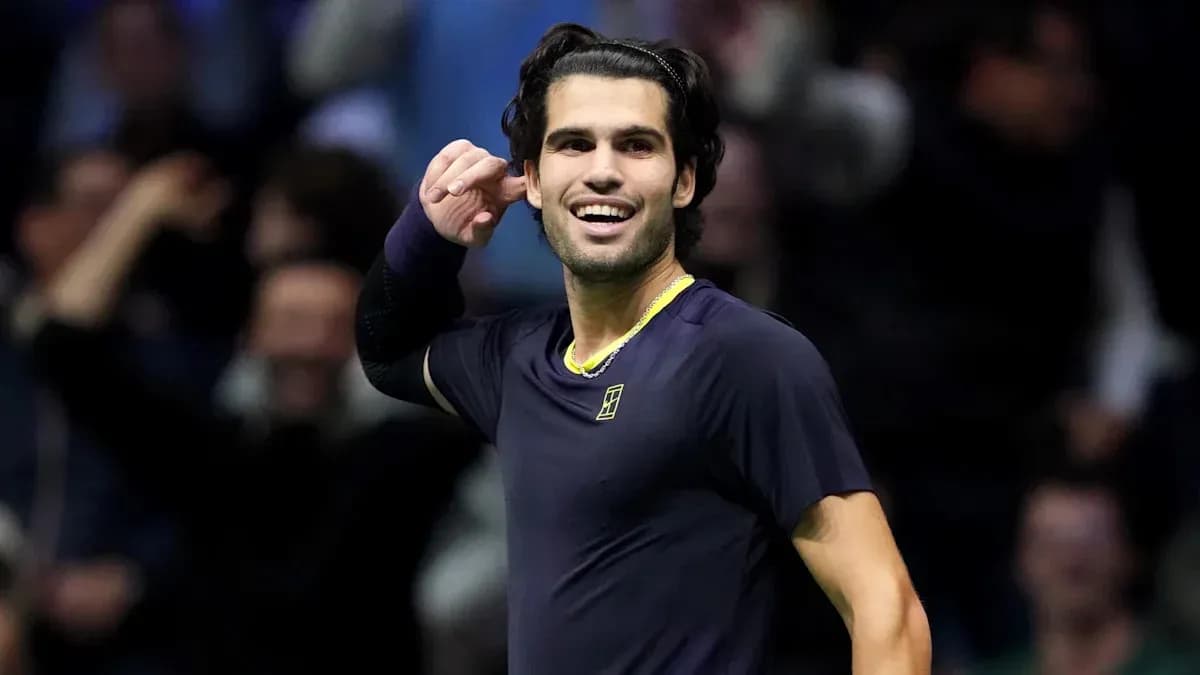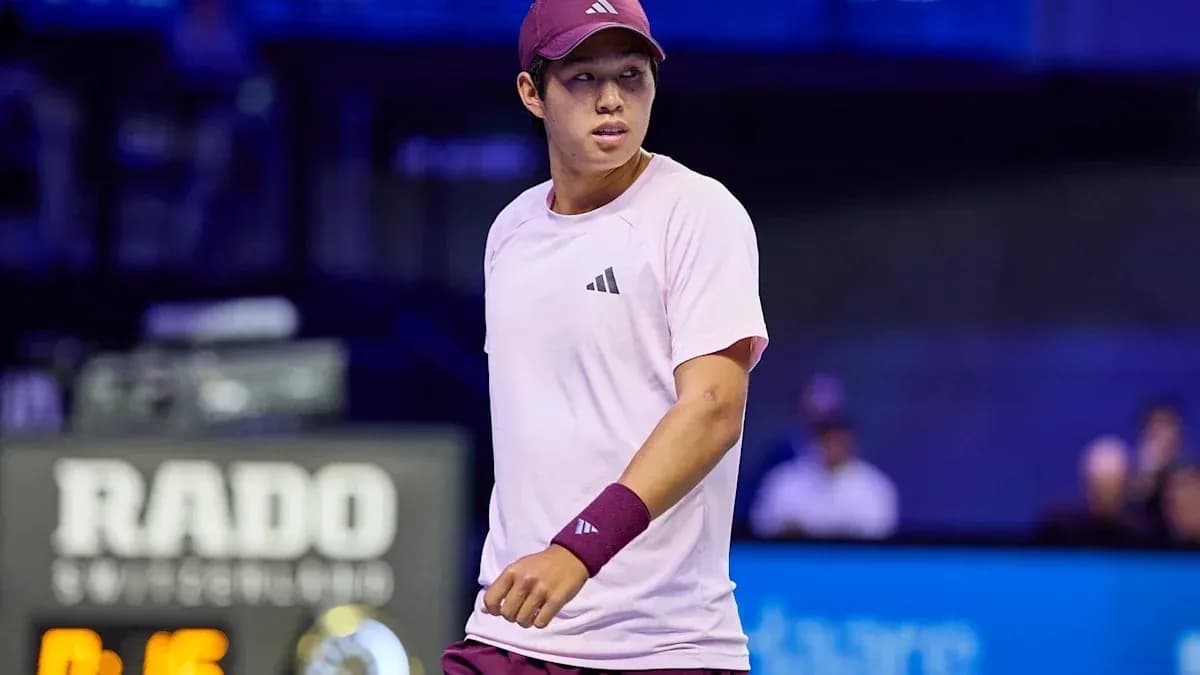
Learner Tien used to switch the tennis off.
One of the most electric shot‑makers on the ATP Tour, a player Roger Federer has publicly admired, spent his childhood bored by the very sport he now lights up. Too slow. Too many breaks. Too easy to zone out.
That is Tien’s own verdict.
The American, enjoying the standout season of his young career in 2026, opened up on his curious relationship with tennis as a spectator on The Big T Podcast. The contrast with the player he has become could hardly be sharper.
From zoning out to top‑20 star
This year has changed Tien’s place in the game. He has collected a second ATP title in Geneva, pushed through to his first Grand Slam quarter-final at the Australian Open and backed it up with a semi-final run at the Canadian Open. Those results have hauled him into the world’s top 20 and turned him into must‑watch viewing.
The irony is that, growing up, he rarely wanted to watch anyone.
“I did not watch much tennis growing up,” Tien admitted on the podcast. “It was kind of boring to me, it was too slow. I think the changeovers and the breaks, it just wasn't engaging enough for me.”
He would tune in for the big occasions – the Grand Slams, the marquee showdowns – but even then his attention wandered.
“I would watch the Slams and the big matches where I knew this is an important match, but even with some of those matches I would zone out and I wouldn't really watch,” he said.
Highlights were his way in. Quick hits, big points, no dead time. One name, in particular, cut through.
“I liked watching Monfils a lot, but I was more of a here and there highlight watcher. I never was a guy to sit down and watch the whole match.”
The rhythm of live tennis, with its built‑in pauses, simply grated on him.
“I would say when I was young the reason I didn't like watching tennis in person and on TV was because the changeovers were very long and I had to wait in between points. But now playing I would not want any of those things to be shorter because that is my break. A minute and a half feels very short now but back then it was like an eternity. I would just turn the TV off.”
The very thing that once made him reach for the remote is now his lifeline between brutal rallies.
One last push in Paris
His season, though, is not finished. Not quite.
After a strong campaign, Tien’s singles schedule has narrowed to a single remaining stop: the Paris Masters. His run in Vienna ended at the hands of Alex de Minaur, leaving the final ATP 1000 event of the year as his last chance to add points – and a final test of how he handles expectation at this new altitude in the rankings.
Paris is not new territory. Tien debuted there in 2025, losing in the second round to Andrey Rublev. This time, the landscape is different. His climb up the rankings means he arrives as a seed, protected from facing another seeded player until at least the third round. The draw will be kinder; the pressure will not.
The numbers behind that pressure are simple. Tien has relatively few points to defend in Paris itself, but his ranking will take a hit elsewhere. He is set to lose 250 points from his first ATP title in Metz last year, a tournament that has since disappeared from the calendar. There is no Metz this autumn to bail him out, no extra event to soften the blow.
So Paris stands alone.
Perform well at the Accor Arena and he can lock in his place among the elite for the off‑season. Fall early, and the slide out of the top 20 becomes a real possibility as the final Masters 1000 of the year begins on Monday, November 2.
For a player who once couldn’t sit through a full match, the margins now are brutally clear. One week, one tournament, one more chance to prove he belongs in the company he used to watch only in highlights.