At Flushing Meadows this year, the soundtrack has changed. The thud of the ball and the murmur of the crowd now share space with the click of phones, the glare of ring lights and the low hum of creators chasing the perfect clip.
The US Open has thrown its doors wide open to the digital age. The number of accredited content creators has doubled from last year, a deliberate move by organisers to tap into new audiences and younger feeds. The trade-off is already playing out on court.
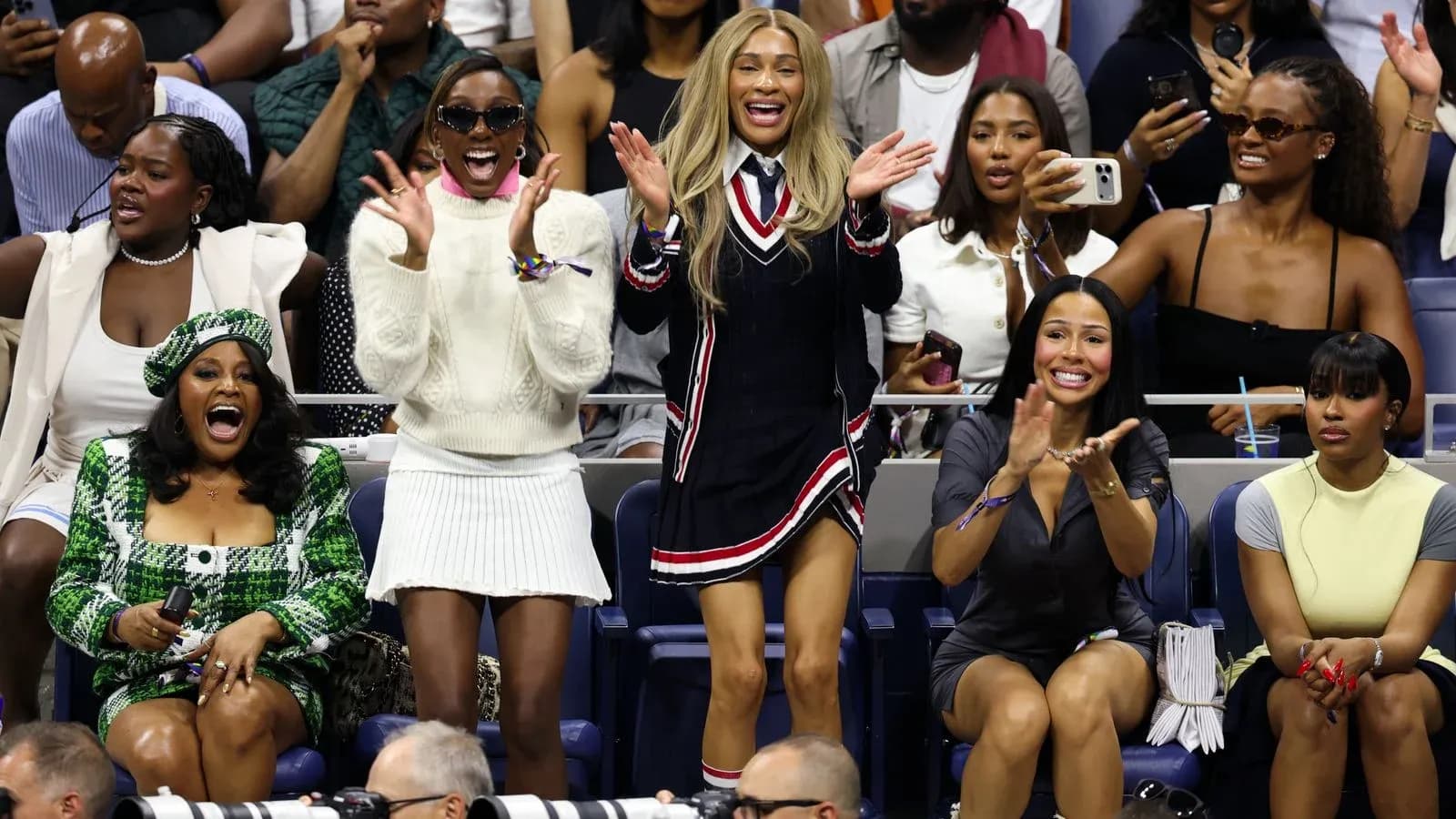
During one match, chair umpire Kader Nouni stopped the action to reprimand a group of influencers in a suite, who were recording a video in the middle of a point. On another court, a portable ring light cut through the darkness as a creator posed for photos, its harsh glow impossible to ignore.
The players have noticed.
Naomi Osaka, a two-time US Open champion, has already been forced to deal with the noise. During her second-round win, chair umpire Marijana Veljovic repeatedly asked fans to quieten down. Osaka’s message afterwards was blunt.
“I think obviously if you come to a sporting event, you have to respect the sport,” she said. “I feel like it’s common courtesy to read up on the sport, especially the etiquette.”
This tournament was always going to feel different. In 2024, the US Open introduced a policy of free fan movement, allowing spectators to come and go without waiting for changeovers. It has created a looser, more festival-like atmosphere, but also a constant ripple of movement in the background of rallies.
Since Osaka’s opening match, tournament screens have carried stronger messaging, urging fans to cut out anything that might disrupt play: loud chatter, flash photography, ring lights. The reminders keep coming. The incidents keep coming too.
Players push back
Jessica Pegula, the American third seed, did not hide her frustration.
“I can appreciate the influencers coming and showcasing the US Open experience,” she said. “But I do think that it’s tough when you see videos when they’re taking pictures and using the selfie lights.
“People are down there trying to perform. It’s their career and their job. It seems a bit disrespectful.”
For years, celebrities have been part of the scenery in New York. A-list actors, musicians, even US presidents have drifted in and out of suites, paying thousands for the privilege. They have always been there, but largely as spectators, not as on-site producers of their own shows.
The new wave is different. Influencers arrive with equipment, schedules and deliverables. Their presence is less passive, more performative. And when that performance collides with a second serve at 5-5, the tension is obvious.
World No 4 Coco Gauff sits somewhere in the middle of the debate. She embraces the idea of new eyeballs on the sport, but draws a clear line.
“I definitely think it’s cool to have a new demographic and I definitely think it helps grow the sport,” she said.
Then came the analogy.
“But if you’re being invited to a red carpet, you wouldn’t show up in jeans.
“I think it’s just follow the etiquette of the sport.”
Inside the influencer boom
Not every creator is treating Arthur Ashe Stadium like a backdrop for a fashion shoot. Eliza Wastcoat is one of the new generation of tennis-focused influencers, with a channel built around the intersection of tennis and fashion.
She grew up in the game, even serving as a Wimbledon ball kid, moved to the United States to attend Lehigh University and began her career at a creative agency. She sees the potential in this moment – if it is handled properly.
“There is a space in tennis for influencers and content creators to be welcomed into the sport and reach new audiences,” Wastcoat said. “But I think there’s ways in which the sport can do that which includes content creators and influencers who appreciate the sport itself and the etiquette of it and for those who are maybe new and are bringing new audiences in.”
For her, the responsibility is shared.
“I do think it’s the responsibility of both the brands, the tournaments and the individuals coming to read up a little bit and understand the etiquette of the type of sporting event they’re going to.
“Tennis has really opened up its doors to change but ultimately players need some quiet and the ability to concentrate.
“We all want tennis to grow so inviting people in and making it an all-round experience is great for the game, so it’s just an opportunity to further educate people about the game on what tennis is.”
A balancing act for the USTA
The United States Tennis Association knows it is walking a tightrope. It wants buzz, reach and relevance. It also has a duty to protect the integrity of the competition.
“We are continually looking for ways to ensure fans in the stands know what is permitted and what is prohibited,” the governing body said in a statement, stressing that it wants fans to have an “incredible time” without interfering with the action.
For Wastcoat, this is as much a structural question as a cultural one.
“What’s the balance of how many credentials or tickets do we give to folks who are new, or how many do we give to creators who know and appreciate the sport? It’s trying to find that balance,” she said.
That balance will decide what the US Open feels like in five years’ time. A tennis cathedral with a modern soundtrack, or a content festival with a tennis tournament attached.
“Experiences like this show that tennis is increasing in popularity so in the end more people are going to be a part of it,” Wastcoat added. “There’s more opportunity with brands than there ever has been and I expect that to continue.”
The question now is simple, and urgent: can the sport keep growing its audience without losing the silence that makes a 130mph serve, struck under New York’s night sky, feel like a moment that belongs to the players rather than the cameras?