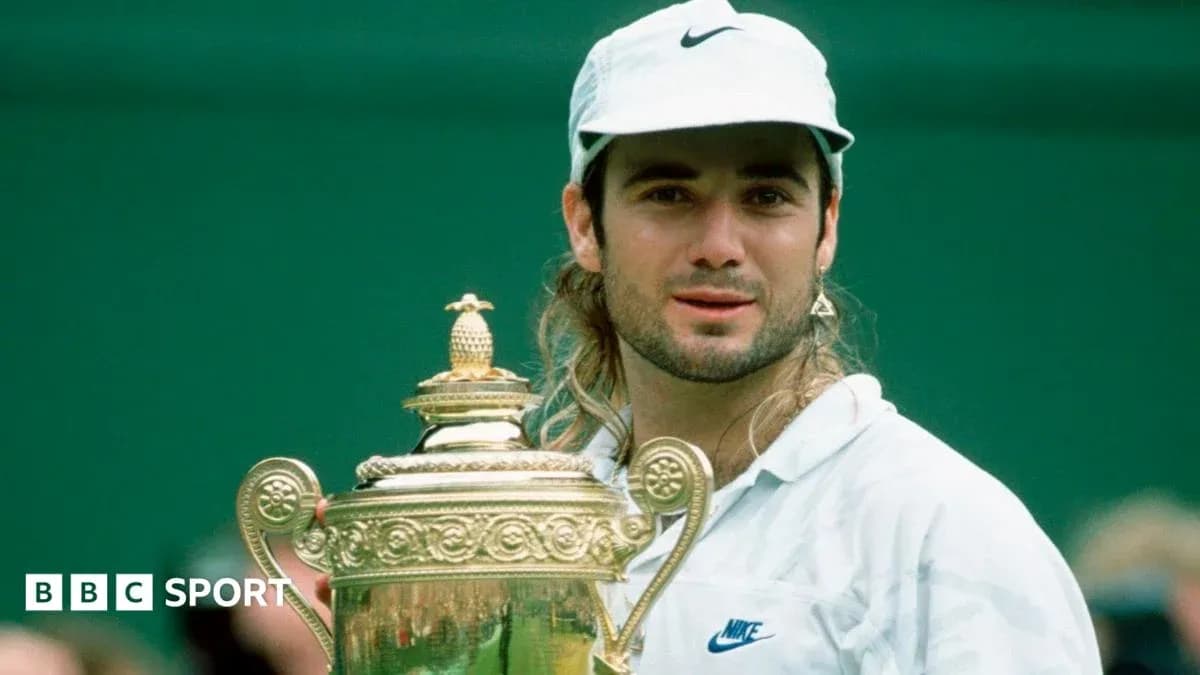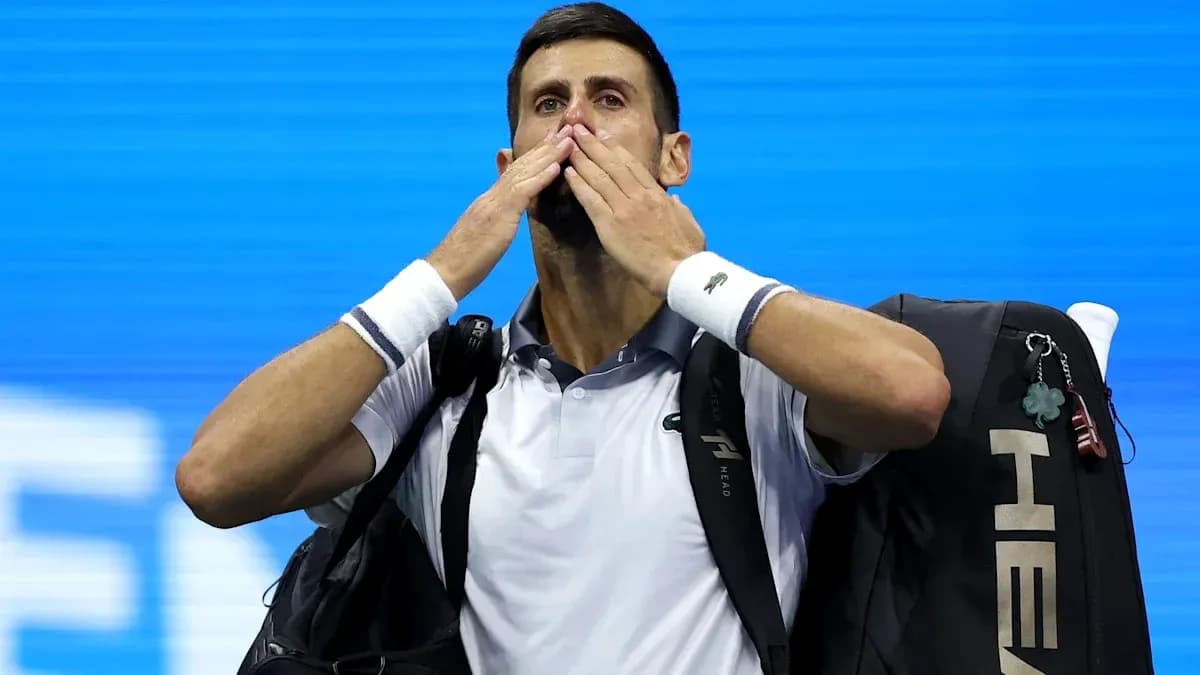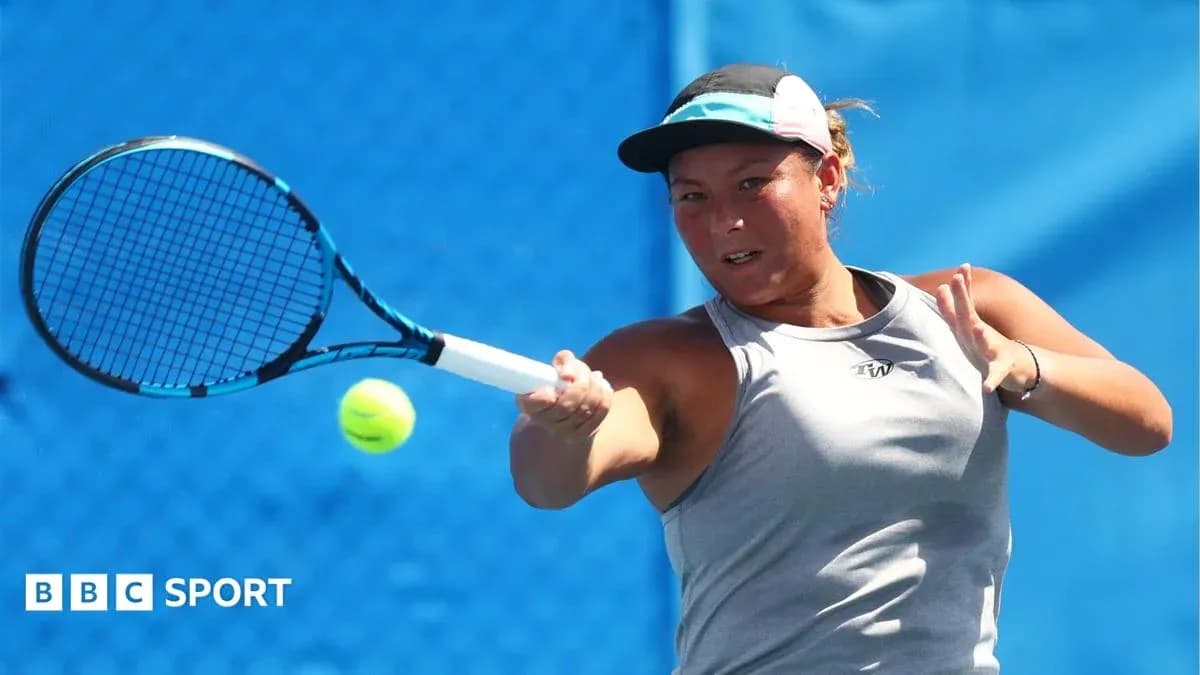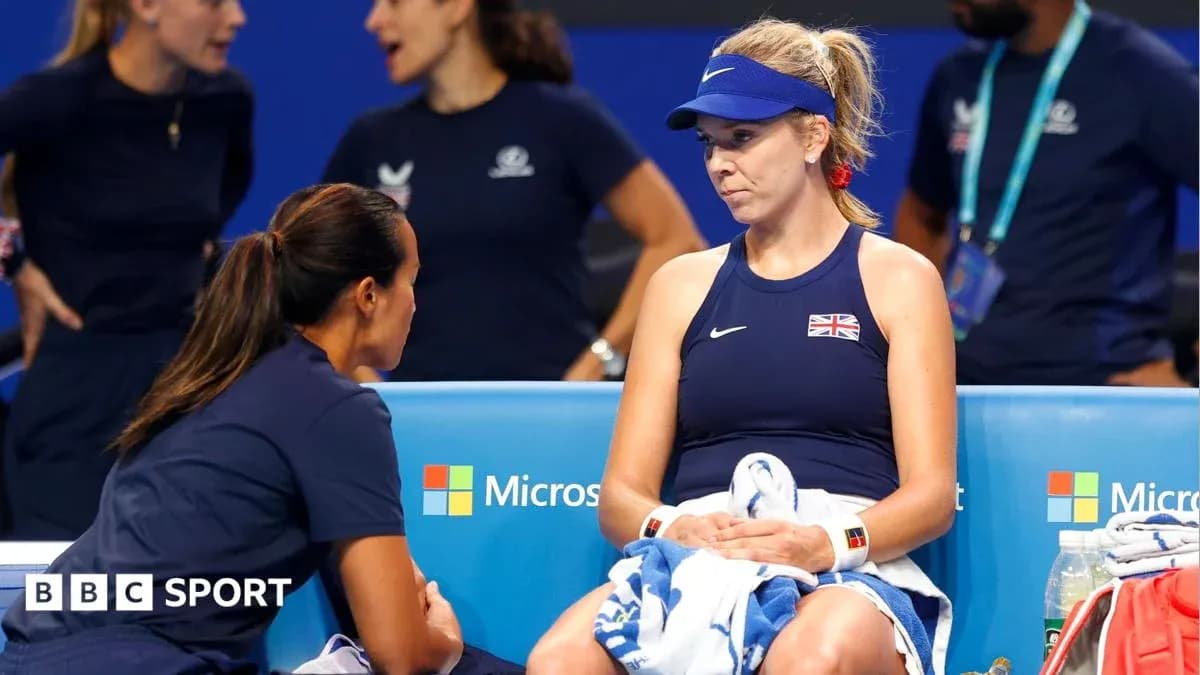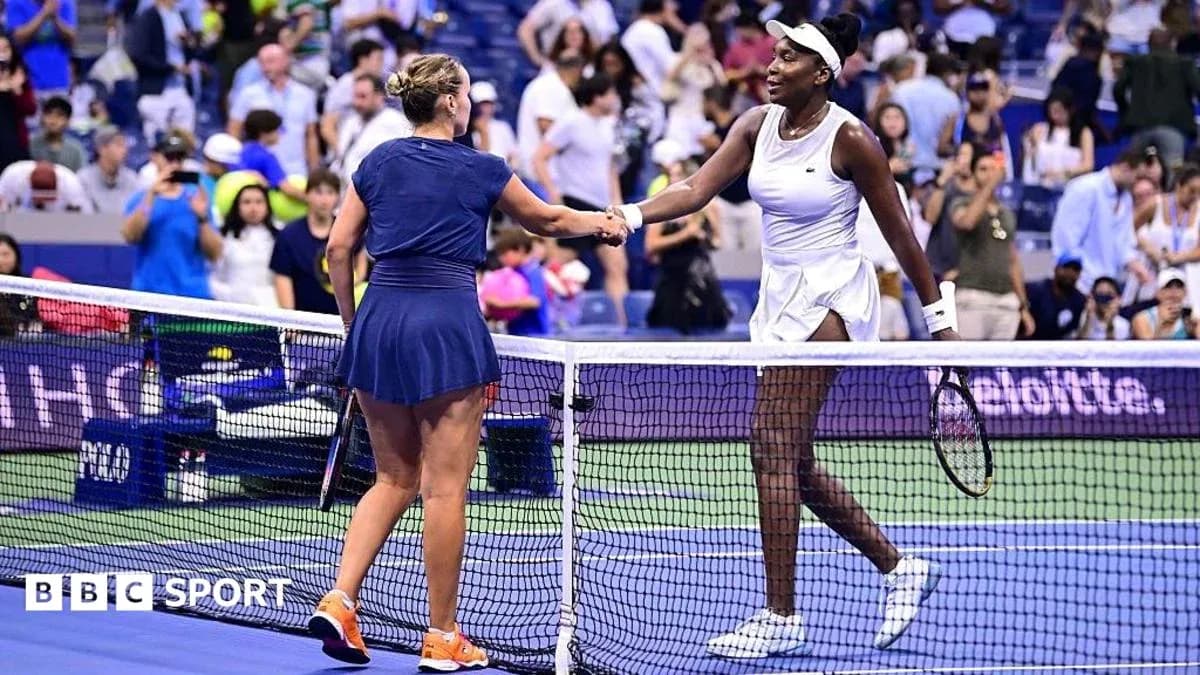
The lights were still blazing on Arthur Ashe Stadium when Venus Williams finally walked out for her US Open opener. The Sunday night primetime slot she had been given as a wildcard had already slipped into Monday. It was 12:10am in New York.
By the time Sofia Kenin sealed a straight-sets win, the clock had crept past 2am and most of the 23,933 seats were empty.
For a seven-time major champion, a trailblazer now 46 years old and possibly playing her last US Open singles match, it felt like a jarring stage for a farewell. Williams did not hide her frustration. The scheduling, she said, was “not ideal” and “wasn't great” for either player’s conditioning.
She is far from alone.
Across the Grand Slams, patience with late-night tennis is wearing thin. Williams’ 15th consecutive singles defeat was just the latest flashpoint in a long-running fight between players and the sport’s biggest events over when, how and for whom the show is being staged.
Why the Slams chase the night
Three of the four majors – the Australian Open, Roland Garros and the US Open – are built around a split schedule. Day session. Night session. Two products, two ticket windows, two broadcast packages.
At Flushing Meadows, the formula is clear. Organisers pick one men’s and one women’s match to start at 7pm on Ashe. The day crowd has already had its fill. Now the night audience arrives, paying a premium for a primetime slot in the middle of New York, and usually, a marquee name.
The financial logic is brutal and simple: the same seat can be sold twice. A fan buys it for the day, another for the evening. Night tickets cost more, both because they suit people coming after work and because those sessions are marketed around star power.
Then there is television.
The US Open’s domestic partner, ESPN, signed a deal in 2024 worth $2.04bn to show every match until 2037 – around $170m a year. Primetime programming drives that number. Late-night in the US is still big business, with flagship talk shows only kicking off around 11pm. Tennis slotted into those hours gives broadcasters more valuable advertising inventory.
For tournament accountants and rights executives, long nights are not a nuisance. They are the model.
The problem nobody can time
Tennis, though, refuses to behave like a neat TV show. Matches do not fit into fixed windows. They sprawl.
A five-set men’s match can easily stretch past four hours. A women’s match that goes the distance can run beyond three. Put them back-to-back on the same court, add changeovers, walk-ons, ceremonies, and the second act can be stumbling into the early hours.
That is exactly what happened to Williams and Kenin. Their match did not start late because of rain or chaos in the outer courts. It started late because Novak Djokovic and Mariano Navone went five sets and took more than four hours to separate. The schedule held. The players paid.
By the time Williams and Kenin finished, the grand stadium that had been built for spectacle looked half-abandoned. The atmosphere had drained away. What remained was a handful of diehards and two players trying to perform at a time when most of the city was asleep.
Organisers know this can happen. They may hope for a quick straight-sets win to keep the night moving, but they cannot pretend a marathon is a surprise. It is baked into the sport.
Wimbledon’s hard stop
Wimbledon has chosen a different path.
Play at SW19 begins at 11am and stops at 11pm, full stop. If a match is not finished, it resumes the next day. The rule is clear, the curfew is rigid.
Players sometimes bristle when they are forced off court with victory in sight, but they at least know the parameters. Fans know they can catch the last train home. The BBC, which broadcasts the tournament, is not chasing advertising revenue, so there is no commercial pressure to guarantee a late-night spectacle.
The contrast with New York is stark. Where the US Open leans into the city-that-never-sleeps mythology, Wimbledon leans on tradition, local regulations and public transport timetables. One prioritises flexibility for broadcasters and ticketing; the other prioritises certainty for players and fans.
Players push back
The Williams-Kenin finish is part of a wider standoff between the locker room and the Grand Slams.
Players have been pushing for a bigger share of the money generated by the majors, and late-night scheduling has become a symbol of the broader strain. They point to minimal recovery time between matches, growing media demands and long days that start with practice and treatment and end well past midnight.
At Roland Garros and Wimbledon, leading names including Coco Gauff, Aryna Sabalenka and Jannik Sinner have scaled back their media duties in protest at what some players regard as unfair working conditions.
The pressure has already forced movement. Wimbledon and the US Open have agreed to increase prize money from 2026. A Grand Slam players advisory council is set to launch after this year’s US Open, giving players a more formal voice in how the majors are run.
What that council will do with late finishes remains unclear. What is clear is the mood. Most players do not want to be starting matches at midnight, never mind finishing them at three in the morning.
The cost of change
Any attempt to rein in the night sessions comes with a price.
If organisers cut back to one match in the evening or bring start times forward significantly, they risk offering broadcasters less primetime inventory and fewer guaranteed blockbusters under the lights. That could drag down the value of future TV deals.
Lower rights fees mean a smaller pot of money overall. In a sport where players are already fighting for a greater slice of the revenue, that trade-off is loaded. Better working conditions might mean less prize money to go around.
For now, the sport sits in that uneasy middle ground. The US Open defends its late sessions as a service to fans, arguing that New Yorkers cannot get to Queens much earlier than 7pm and that offering only one match at night would short-change ticket buyers. Tennis, they say, does not come with a fixed running time.
Players, meanwhile, feel the toll in their legs, their sleep, their recovery windows.
Venus Williams walked into Arthur Ashe expecting a primetime stage and found herself performing in the graveyard shift instead. Until the sport decides whose needs matter most – the spreadsheets or the people on court – nights like that will keep stretching into the small hours, and the argument will keep rumbling on.