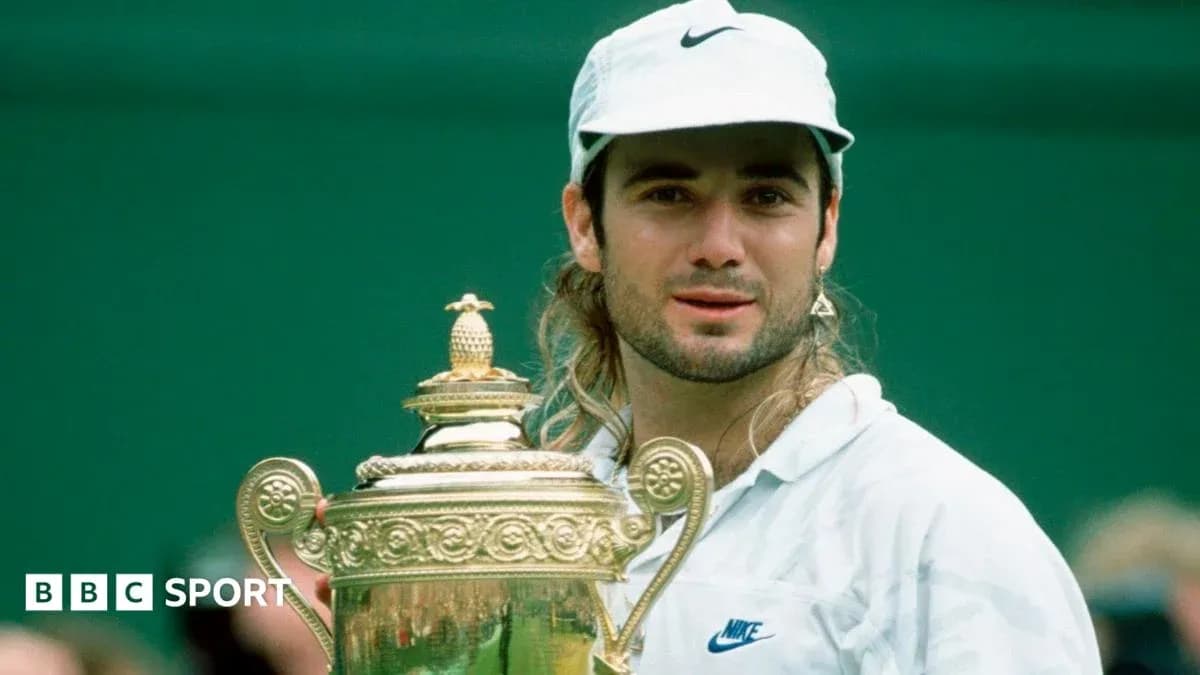
Wimbledon has drawn a clear line in the grass.
Influencers looking to turn Centre Court into their next content backdrop will have to do it from the outside this summer, after the All England Club decided it will not grant them media credentials. The move is a direct response to the chaos that swirled around this year’s U.S. Open, where a flood of digital creators turned parts of Flushing Meadows into something closer to a live studio than a Grand Slam.
At the U.S. Open, around 100 content creators were accredited alongside traditional journalists and broadcasters. The numbers alone changed the feel of the place. So did their tools. Ring lights, phones held aloft mid-rally, constant vlogging, and the kind of background noise that jars in a sport built on silence between serves.
Players complained. Matches were repeatedly interrupted by fans snapping photos with bright flashes and filming with glaring lights, some of them angling for the perfect shot rather than watching the point. The soundtrack of a night session in New York has always been loud; this was different. It was intrusive.
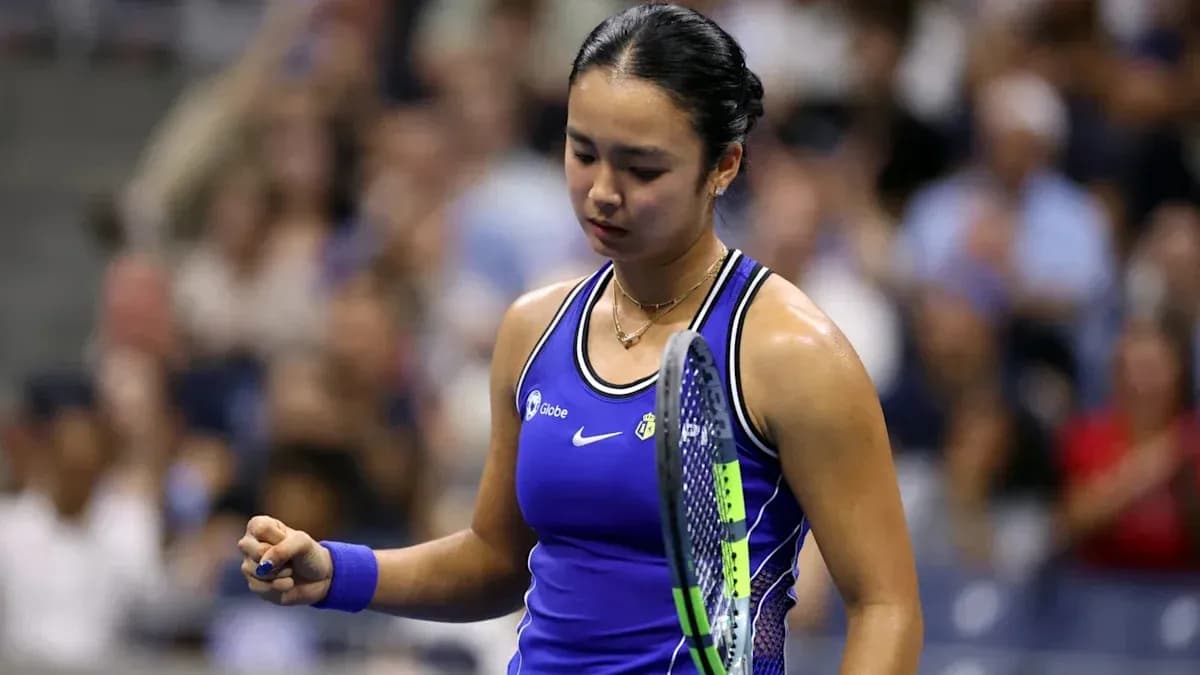
Coco Gauff and Naomi Osaka both spoke publicly about fan behavior and the need for basic respect during play, underlining how disruptive the atmosphere had become. Tournament officials reacted by pushing messages about proper conduct onto the big screens and, in at least two cases, stripping content creators of their credentials.
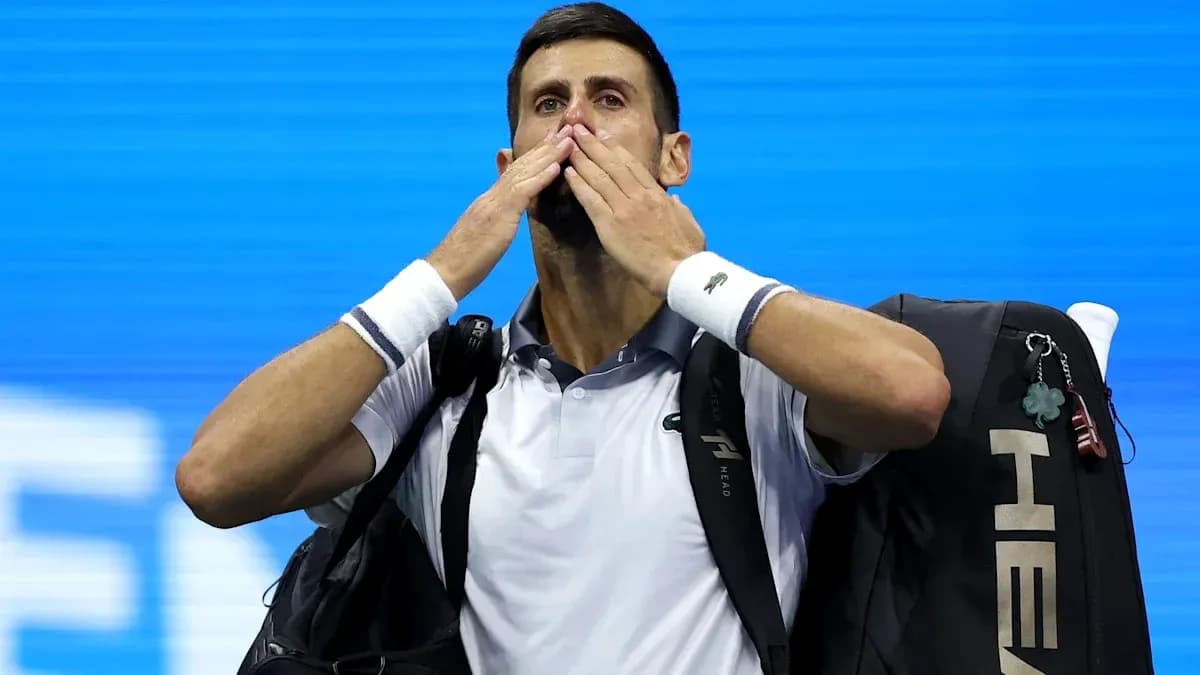
The problems didn’t stop at phones and ring lights. A thick smell of marijuana drifted around parts of the grounds often enough to become a storyline of its own. World No. 1 Aryna Sabalenka had to pause during her third-round match because of what she described as a “very strong smell” of marijuana, voicing her anger afterwards. Adrian Mannarino went further, likening the Grand Slam crowd to “a bit of a zoo.”
Wimbledon has watched all of this and chosen a different path.
At the All England Club, the response has been swift and unapologetic. Influencers will not be accredited. Security has been instructed to confiscate items such as ring lights at the gates, treating them not as harmless accessories but as potential threats to the concentration and etiquette that define the Championships.
The message is unmistakable: this is not a content farm. It is a tennis tournament with its own code.
Wimbledon has always traded on a particular kind of order — white clothing, manicured lawns, hushed stands, and a sense that the sport comes first, everything else second. The scenes from New York, with players breaking rhythm to complain about lights, noise, and smoke, cut against that image and triggered concern that the line between fan experience and performance environment was starting to blur.
The All England Club has decided it would rather risk being called old‑fashioned than see its courts turned into a backdrop for viral clips. In an era when every major event is under pressure to open its doors to creators and chase younger audiences, Wimbledon is choosing control over reach, discipline over buzz.
The influencers will still come, of course. They just won’t be doing it from the press seats, under accreditation, with ring lights in their bags. And on the grass in SW19, that’s exactly how Wimbledon wants it.