“Hey, diva!”
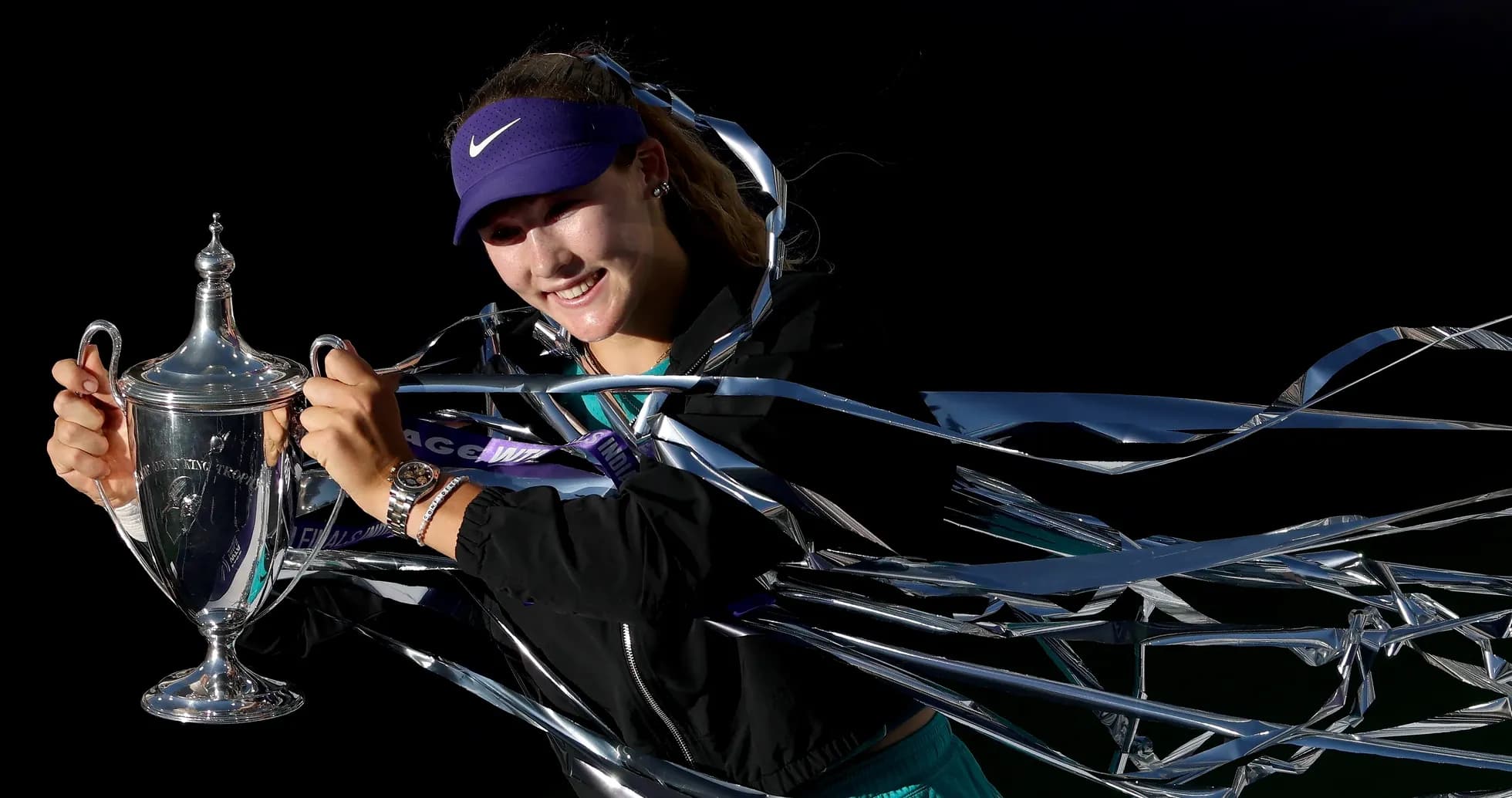
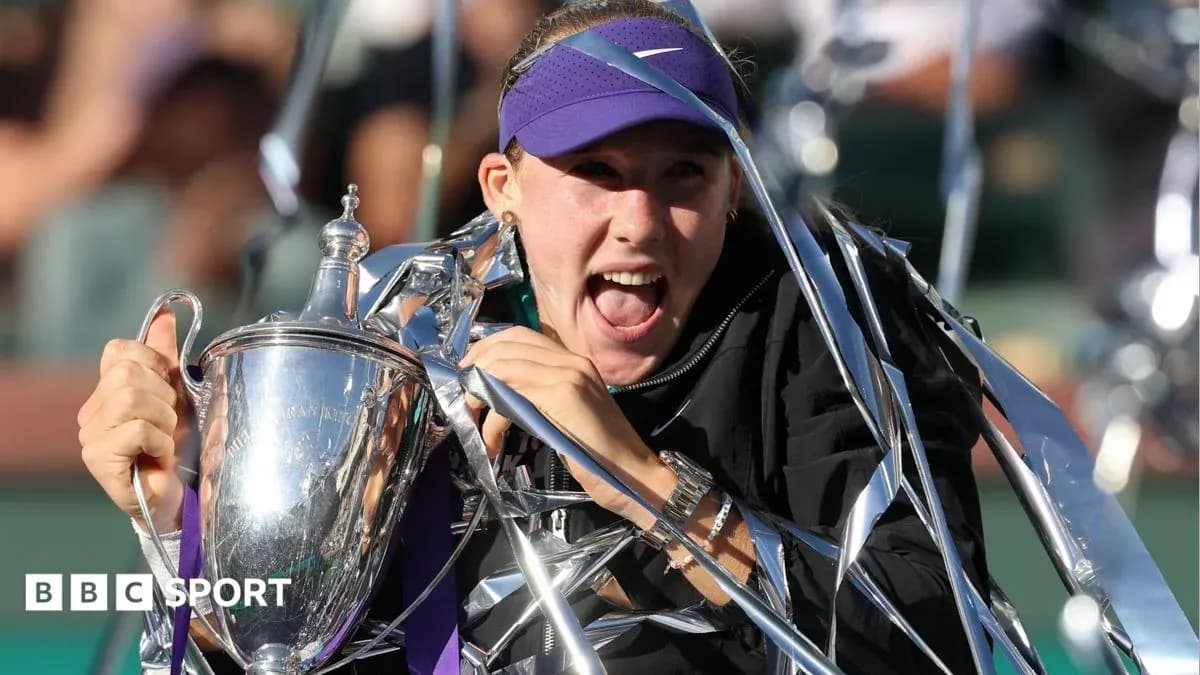
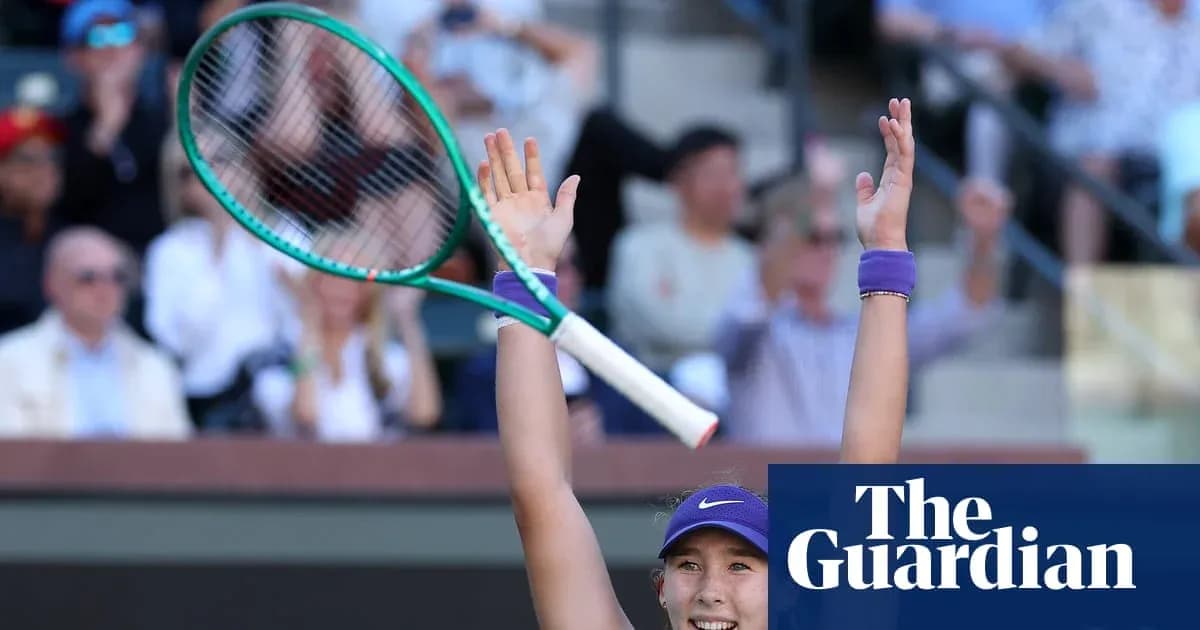
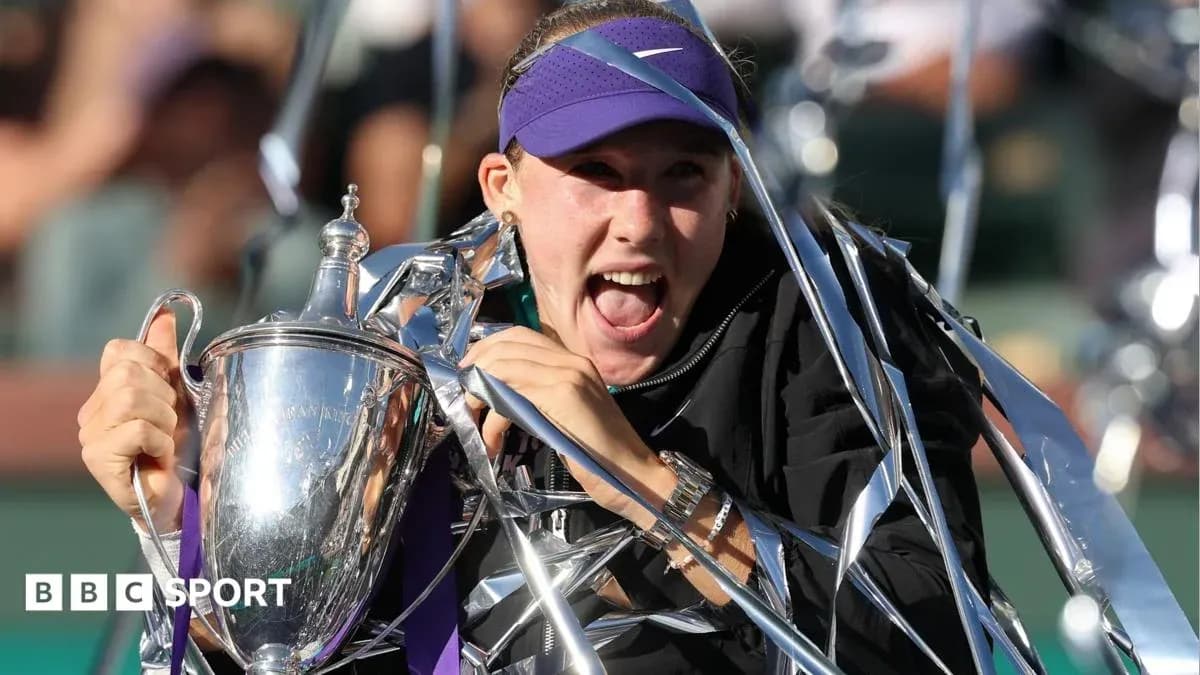
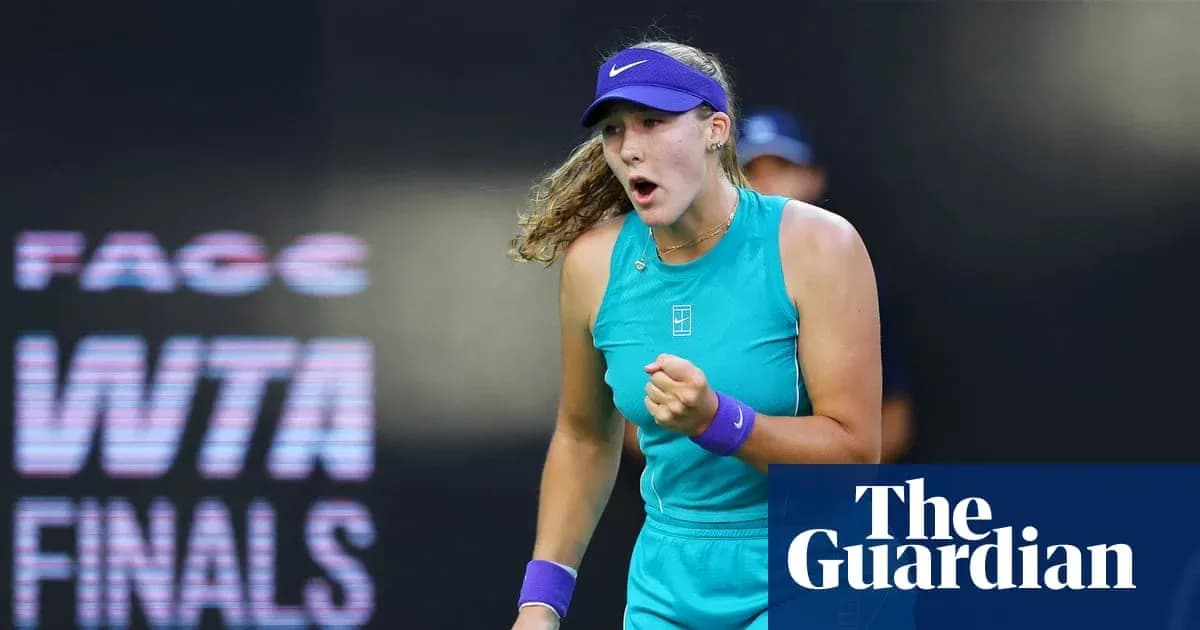
Madison Keys didn’t bother easing into it. Fresh from the baseline and still buzzing from a ruthless 6-4, 6-0 dismantling of Elina Svitolina, Mirra Andreeva walked up to the Sky Sports desk at Indian Wells for her first WTA Finals interview. Keys, now moonlighting as a guest reporter and 2025 Australian Open champion, greeted the 19-year-old with a grin and that two-word jab that said everything about the week women’s tennis has just had.
Everyone in the sport knew what she meant.
A hot mic, a viral clip and a very modern rivalry
On the eve of the tournament, Jessica Pegula – one of the tour’s most even-tempered, quietly respected figures – found herself at the centre of a storm she never intended to start. Caught on a hot mic in what she thought was a private conversation with her coach, Pegula unloaded on Andreeva after a practice set with the Russian teenager, who had cut an angsty figure on court.
“Diva.”
“Needs to be humbled.”
The words travelled at the speed of Wi‑Fi. Within hours, the clip had ricocheted around social media, dissected frame by frame, sentence by sentence. Pegula’s frustration, usually hidden behind a calm exterior, became public property.
In another era, this might have simmered in the locker room and nowhere else. In this one, it turned into instant theatre.
Peak era on court, sharp edges off it
Strip away the noise and the backdrop is clear: women’s tennis is in one of its richest competitive spells in years. The top of the game is stacked so deep that every member of the current top 10 owns either a grand slam title or a WTA 1000 crown. The quality is relentless.
It is so unforgiving, in fact, that a six-time grand slam champion such as Iga Swiatek finished the season at No 9 and missed the WTA Finals for the first time since 2019. In almost any other period, that résumé guarantees a place at the sport’s year-end showcase. Not now.
This density of talent has always been only half the story, though. The WTA’s enduring appeal rests on something harder to package and impossible to fake: personality. Honesty. Friction. A tour full of players who spend their lives trying to beat one another, then share locker rooms, training blocks and flights around the globe.
That mix breeds respect. It also breeds drive-by handshakes, simmering disputes and press conferences laced with salt. Fans love it. The sport’s raw edges fit perfectly into the social media age, where a 10-second clip can define a rivalry for months.
The Pegula–Andreeva episode slotted straight into that lineage.
A booming sport, a fragile business
The question that hangs over all this is not about the quality of the product. It’s about the business built around it.
Women’s sport is booming. Audiences are growing, sponsors are circling, and leagues across the world are cashing in. The WTA, though, is still trying to turn its on-court strength and off-court drama into the kind of stable, thriving enterprise that matches its sporting status.
The tour has already discovered the risks of chasing quick financial fixes in difficult places. Its long, expensive bet on China – a 10-year deal to stage the WTA Finals in Shenzhen – collapsed almost as soon as it began. After just one edition, the Covid-19 pandemic shut the door. Then came Peng Shuai’s accusation of sexual coercion against former vice-premier Zhang Gaoli and her subsequent disappearance from public view.
The WTA took a rare, public stand. It said it would not return to China until it could directly reach Peng. That position drew praise but also carried a cost. When the tour eventually returned to China, Shenzhen had already walked away from the original agreement.
The financial fallout has been brutal. The organisation has sold 20% of WTA Ventures, its new commercial arm, to CVC Capital Partners for $150m in perpetuity. Even with that injection, the WTA is operating at a loss with thin reserves and little room for error.
Finals without a home, and a pivot to America
Nothing illustrates the turbulence better than the WTA Finals themselves. What should be the tour’s crown jewel has spent the past few years bouncing from city to city, never settling long enough to build identity or momentum. The WTA has even dipped into its own pockets to help fund editions of the event, a clear sign of how fragile the structure has become.
The latest solution was Saudi Arabia. A three-year deal from 2024 promised stability, prize money and the kind of financial muscle the tour has lacked. It also came with the now-familiar accusations of sportswashing. The WTA pressed ahead, only to find that Saudi organisers were not planning to extend the partnership beyond the initial term.
Then the geopolitical picture shifted again. With conflicts intensifying in the region this year, the WTA pulled the plug early and moved the Finals away from Saudi Arabia before the deal had properly begun.
So the circus has rolled into Indian Wells for a one-year stop. A holding pattern, yes, but also a signal of where the WTA now wants to go.
Under chair Valerie Camillo, the tour has set its sights firmly on the US. Next year, the WTA Finals will move to Charlotte, North Carolina, with the organisation itself taking operational control rather than outsourcing everything to local hosts. It is a calculated gamble on a market that already understands tennis and has the corporate firepower to support a flagship event – if the WTA can execute.
Desert backdrop, heavy legs, and a tour searching for spark
For now, the Finals sit in one of the sport’s most familiar cathedrals. Indian Wells, framed by the California desert, has long been one of the most beloved stops on either tour, a place where players and fans linger in the sunshine and the tennis usually shines with them.
This time, the setting is as polished as ever. Stadium 2, with its 8,000 seats, has drawn strong crowds in the early days. The atmosphere feels big-time, even if many of the protagonists are running on fumes.
It has been a long, punishing season. Bodies are fraying. The world No 1 and defending champion, Elena Rybakina, withdrew with a viral illness, a reminder of just how thin the margins are at this stage of the year. Whether the tournament fully ignites remains an open question.
Yet the broader campaign has already delivered. Three grand slam finals of genuine quality have underpinned a season that, in pure sporting terms, stands up to almost any in recent memory. The Finals, even in this makeshift guise, still look and feel like a worthy final act.
From crisis clip to running joke
Back where the drama started, the Pegula–Andreeva saga has taken a sharp turn. What looked for 24 hours like a brewing crisis has morphed into something else entirely: a case study in how quickly women’s tennis can absorb controversy and spin it into entertainment.
Pegula moved fast. She apologised to Andreeva, acknowledging the sting of her words. Andreeva, who had every right to bristle, instead chose mischief over outrage.
When she posted a photo from the pre-tournament photoshoot on Instagram, she stood alongside Pegula and captioned it with a single word, in all caps, with a wink: “DIVAS”.
The jab had become an in-joke. The tension, at least for now, had turned into content. And in that pivot – from hot mic to hashtag, from insult to shared punchline – lay the essence of the WTA’s current moment: a tour bursting with talent, crackling with personality, and still searching for a business model big enough to match the show.