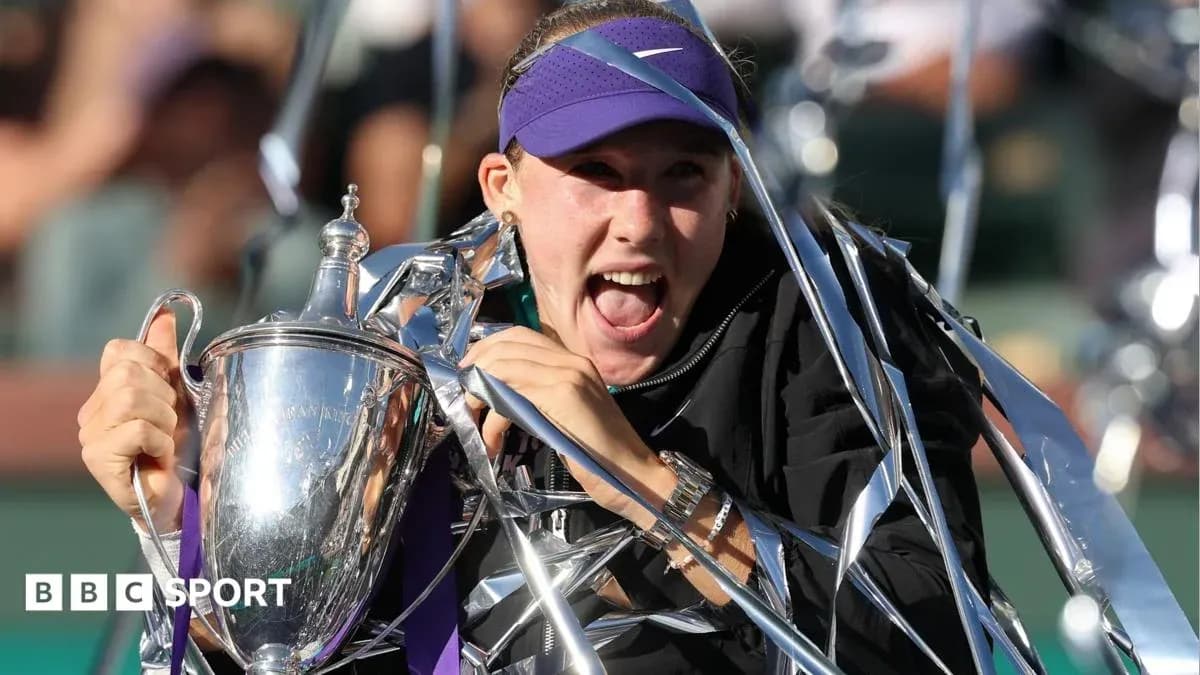
The microphones were meant to bring fans closer to the game. Instead, they dragged a private locker-room style conversation into the glare of the internet.
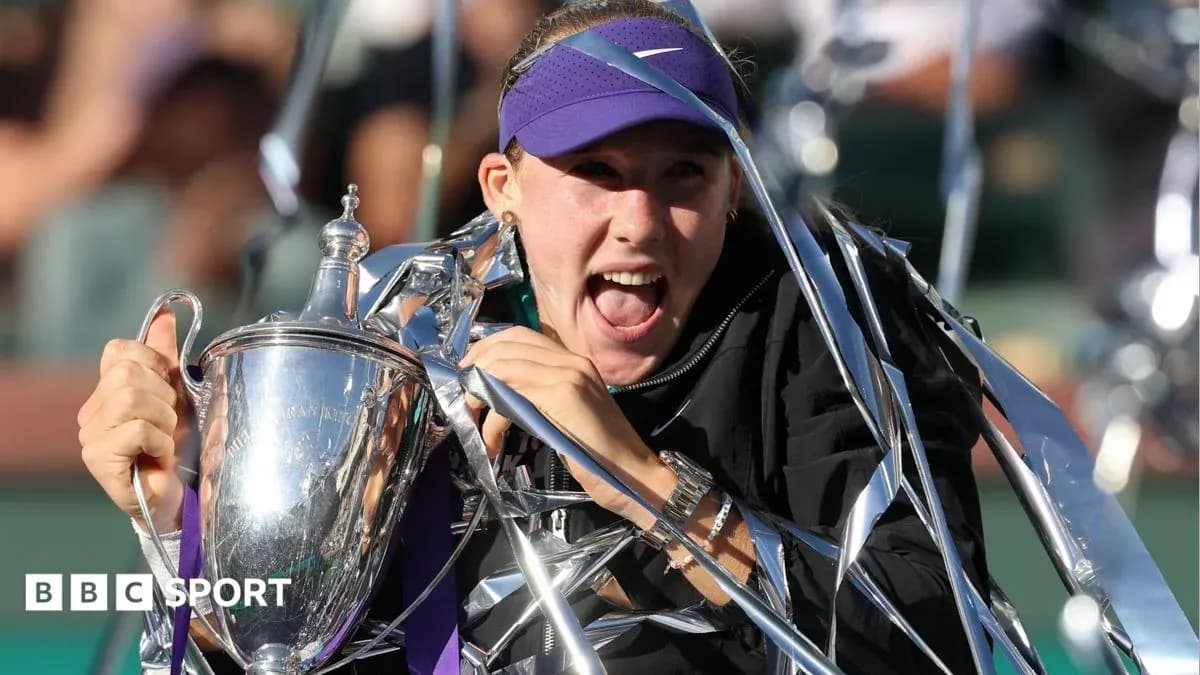
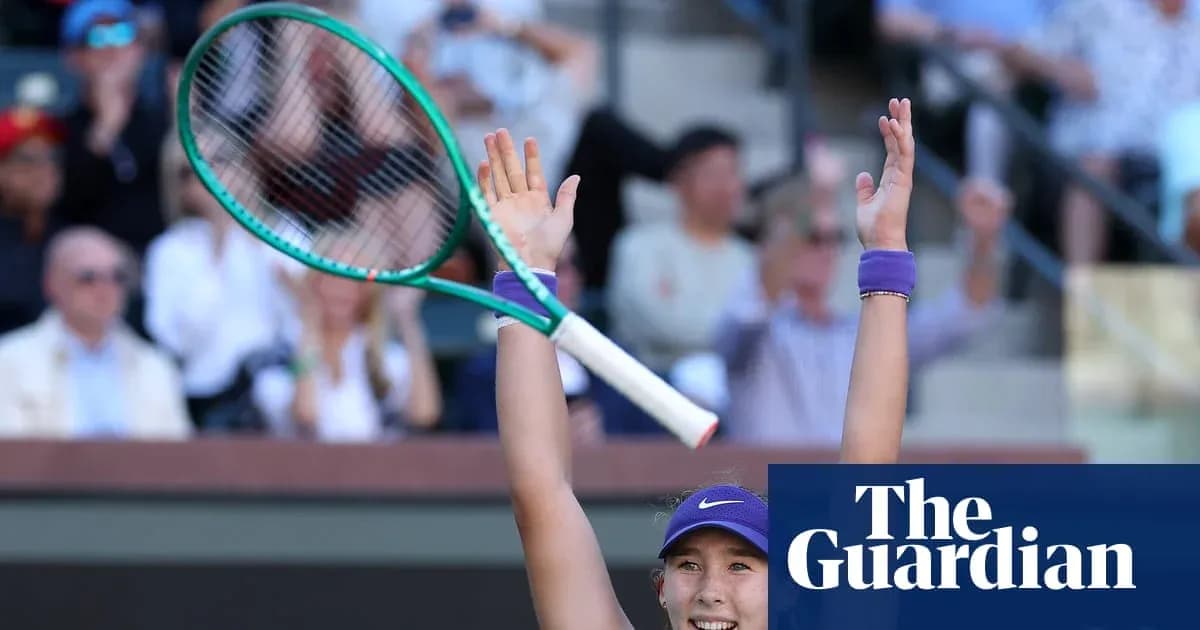
On the practice courts at Indian Wells ahead of the season-ending WTA Finals, Jessica Pegula’s chat with coach Mark Knowles was picked up by live microphones and streamed on the WTA’s YouTube channel. In it, the world number five referred to French Open champion Mirra Andreeva as “a diva” who “needs to be humbled”, and suggested coach Conchita Martinez played a role in the 19-year-old’s behaviour.
The comments, clipped and shared across social media within hours, triggered a storm the WTA quickly accepted was of its own making.
WTA accepts blame
In a rare, unequivocal admission, the governing body said it had failed in a basic duty: telling players they were effectively live on air.
“The WTA takes full responsibility for failing to inform our players and their teams that microphones, in place to give fans a livestream of the players' practice, were active on the courts at the WTA Finals,” it said in a statement.
By the time that statement landed, the damage was done. The WTA pulled recordings of Wednesday’s practice sessions from YouTube, but the key clips had already spread far beyond its control. The conversation, intended as a candid exchange between player and coach, had become public property.
Pegula blindsided, reaches out
Pegula, one of the most respected figures in the locker room and a member of the WTA Players’ Council, suddenly found herself at the centre of an unwanted controversy.
A representative for the American told The Athletic that she had “absolutely no idea” the conversation was being livestreamed and never imagined a routine practice discussion would be broadcast. According to the representative, Pegula has since contacted those involved to apologise.
The practice-court chat was not entirely critical. Amid the sharper remarks, Pegula also praised Andreeva, calling the world number three “wonderful” and “smart” – an acknowledgment of the teenager’s rapid rise and on-court intelligence that has made her one of the sport’s most compelling new forces.
Yet nuance rarely survives the social media cycle. It was the “diva” line and the suggestion that Andreeva “needs to be humbled” that dominated headlines and timelines, sharpening the focus on how the WTA handles access, privacy and its own athletes.
Access versus trust
This episode cuts to a familiar tension in modern sport. Governing bodies want to open doors, wire up practice courts and push fans closer to the athletes’ world. Players expect, at minimum, to know when the cameras and microphones are rolling.
At Indian Wells, that line was crossed. The WTA’s decision to shoulder full responsibility is an attempt to repair trust with a playing group already stretched by long seasons, heavy media demands and the relentless scrutiny that follows every word.
The WTA Finals, being staged at Indian Wells for the first time, run through until 15 November. The tennis will soon take over. But the next time a player walks onto a practice court, they may look twice at the nearest microphone and wonder who, exactly, is listening.