Zheng Qinwen had already called it “very dramatic”. That barely scratched the surface.
On a hot, fraught afternoon at the US Open, the Olympic champion stood one point from the exit, 5-0 down in the deciding set to Madison Keys, a former major winner, a home favourite, a player in full flow. The match looked finished. The story seemed written.
It wasn’t.
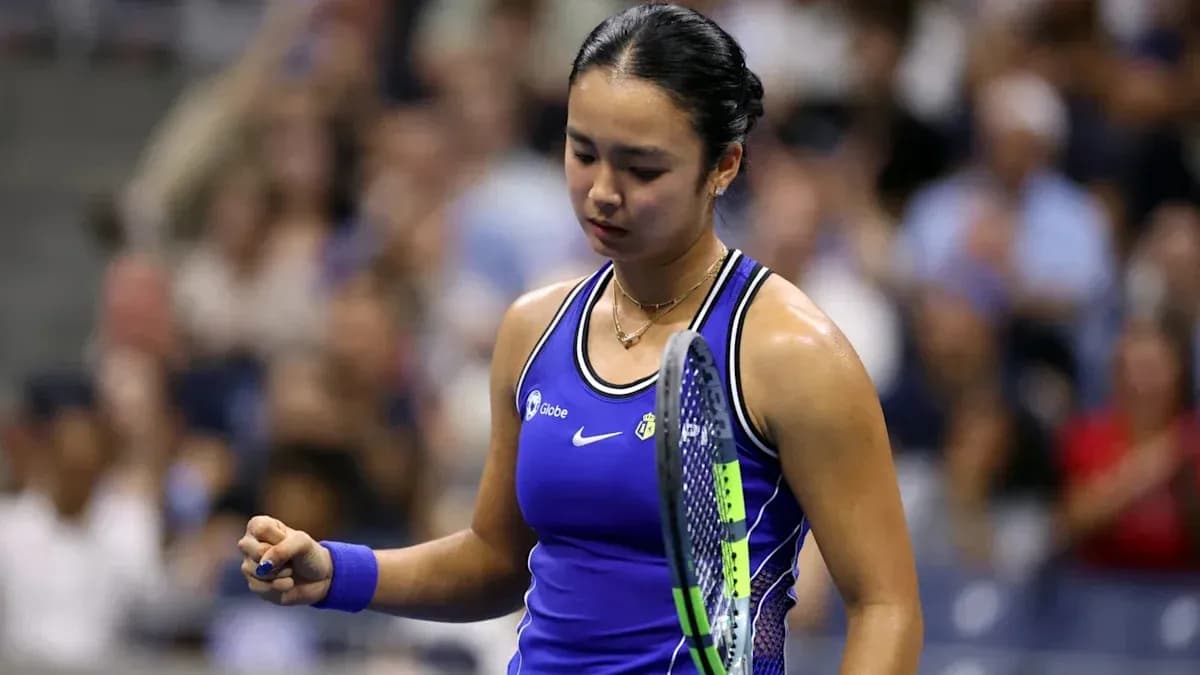
From match point down, Zheng ripped up the script, strung together seven games in a row and walked off with a 1-6 7-6 (7-3) 7-5 victory that will live long in Flushing Meadows folklore. A qualifier, ranked outside the top 150 earlier this year, had just dragged herself into the fourth round with one of the most audacious comebacks of the season.
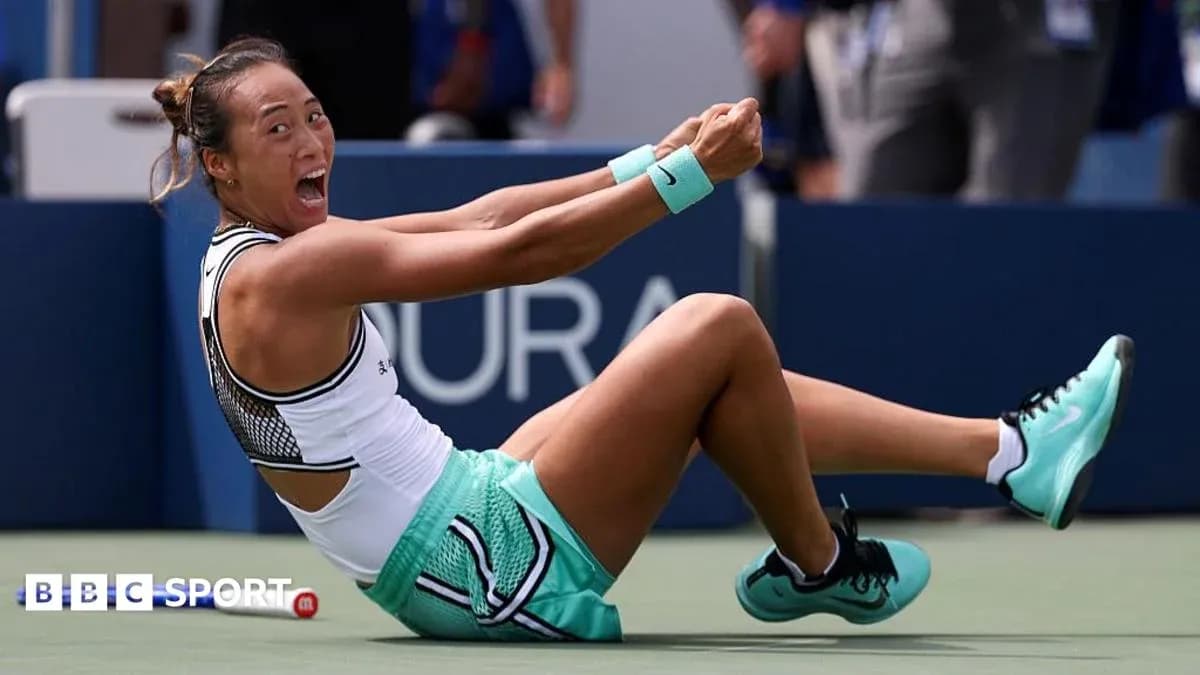
When the final ball sailed out, Zheng didn’t celebrate so much as collapse. She threw herself to the court, flat on her back, the release of a year’s worth of doubt and pain.
“Finally, a bit of luck is on my side,” the 23-year-old said afterwards, the relief as clear as the scoreline was improbable. “I am just telling myself ever give up. Somehow, little by little, it's just happened.”
From rout to revolt
For a long stretch, it looked like nothing good was going to “just happen” for Zheng.
Keys, the 2025 Australian Open champion, tore through the opening set in 23 minutes. Her ball-striking was clean, her intent obvious. Zheng, tentative and misfiring, barely had time to settle before the scoreboard flashed 6-1.
The pattern didn’t immediately change. Keys kept dictating, the American crowd roaring with every winner. Zheng, still searching for rhythm, clung on. She didn’t outplay Keys in the second set so much as outlast her, hanging in rallies, finding just enough first serves, refusing to let the match slip completely out of reach.
The tie-break became her lifeline. Zheng tightened, Keys blinked, and 7-3 later the match was somehow level. The stadium had a contest again.
Then came the third set, and with it another violent swing. Keys surged to 5-0, the kind of lead that usually ends conversations. She earned match point. The crowd rose, sensing the inevitable.
It never arrived.
Zheng held. Then she broke. The tension shifted, subtly at first, then with gathering force. Keys’ forehand, so reliable early on, began to spray. Zheng, playing with nothing left to lose, stepped in on returns, chased every ball, trusted the patterns that had once taken her to the top of the game.
Game by game, the scoreboard crept back towards parity. 5-2. 5-3. 5-4. Murmurs turned to roars as belief flickered, then flared. Keys tightened. Zheng didn’t. At 5-5, the match belonged to the player who could still swing freely.
Zheng was that player. She completed the turnaround 7-5, a seven-game streak from the brink.
“Tennis sometimes feels like rollercoaster,” she said. “You see many times people have a match point, but at the end we made a comeback.” On Arthur Ashe, she had just provided a textbook example.
A qualifier with a champion’s past
This wasn’t a wide-eyed youngster stumbling into a breakthrough. This was a proven champion clawing her way back.
Zheng is the first qualifier to reach the women’s fourth round at the US Open since Emma Raducanu in 2021, a comparison that underlines the scale of her run. But her own story over the past two years has been just as dramatic as anything on court.
In 2024 she soared. An Australian Open final. Olympic gold. A US Open quarter-final. By early 2025 she had reached the last eight at Roland Garros and climbed to a career-high world No. 4. The trajectory looked set: a new permanent member of the sport’s elite.
Then her elbow gave way.
Chronic pain, caused by small pieces of bone floating in the joint, forced surgery in July 2025. Nine months away followed. When she finally returned to Grand Slam competition at this year’s French Open, she was a shadow of the player who had blitzed the tour.
Her first-round loss in Paris to eventual runner-up Maja Chwalinska cut deep. Zheng broke down in the news conference, tears flowing as the weight of expectation and the reality of her rust collided. Her ranking tumbled to 160. For the first time in four years, she found herself back in the grind of Grand Slam qualifying, fighting just to reach the main draw.
“After coming back from injury I felt I lost the energy and I forgot how to compete,” she admitted.
That makes nights like this one hit harder. The qualifier tag may sit next to her name on the scoreboard, but it doesn’t tell the full story. This is a player trying to remember how to be herself again.
Remembering how to fight
On court against Keys, the old instincts returned at the very edge of defeat.
She managed the moment, not the mountain. One point. One game. One more return in play. The technical details — the heavier forehand, the braver second serve, the deeper return position — all flowed from a simple refusal to accept the result everyone else could already see.
The mental resilience that once carried her to an Olympic title resurfaced. So did the physical edge: the willingness to chase, to bend, to slide, to ask the question again and again of an opponent who had seemed untouchable an hour earlier.
Zheng didn’t just win a tennis match. She won an argument with the doubts that had followed her since surgery.
“Somehow, little by little, it's just happened,” she said. Little by little is exactly how this comeback was built — both across the last 12 months and across those seven games from 0-5 down.
Now she stands in the second week of the US Open, the qualifier who used to be a world No. 4, the Olympic champion rediscovering the sharp edges of her game.
The rankings will catch up in time. For now, Zheng Qinwen has something more valuable: proof, in the harshest possible circumstances, that she still knows how to compete when the lights burn brightest and the exit door is already half open.