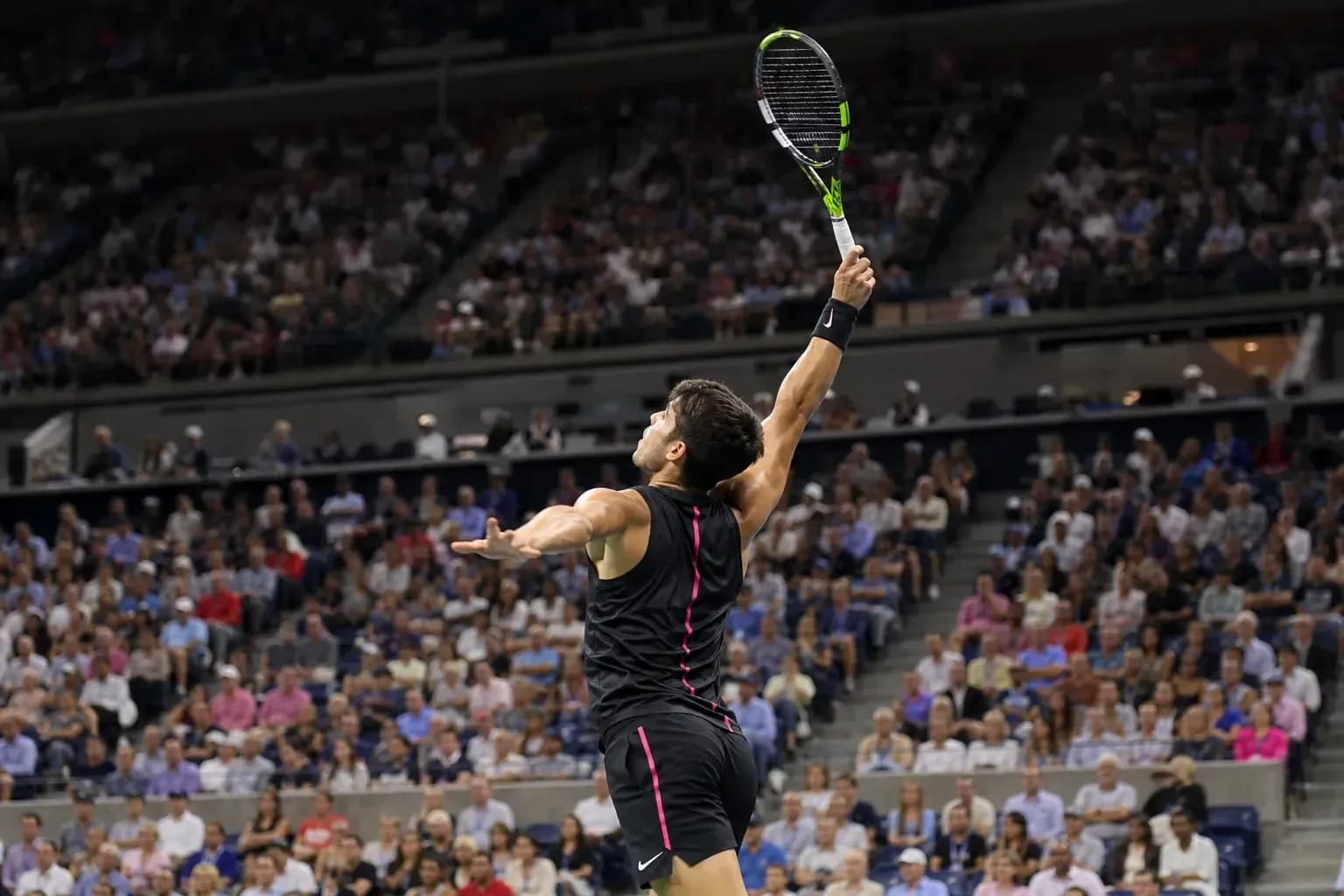
Alexander Zverev walked off Arthur Ashe Stadium with his shirt soaked and his eyes clear. Another New York semi-final booked. Another marathon fortnight still very much alive.
The German brushed aside Botic van de Zandschulp 6-2, 7-5, 6-1 to reach the last four of the US Open, tightening his grip on a tournament that has both tortured and defined him.
This is his third semi-final in New York and his 13th at Grand Slam level. The numbers are piling up now, and so are the miles.
Zverev’s long road back to the sharp end
Zverev, a finalist here in 2020, arrived at this stage the hard way. His first two matches went the full five sets, a test of both his rebuilt body and his stubbornness. Since then, he has slammed the door on opponents in straight sets three matches in a row.
Across this run, he has become the only player this season to reach the semi-finals at all four Grand Slams. That consistency has come at a price: 16 hours and 40 minutes on court in New York alone, the heaviest workload of any man to reach the US Open semi-finals since 1991.
You can see that effort in his movement between points, in the long looks at his box. But once the ball is in play, the legs still answer every question.
Shaky start, ruthless finish
Against van de Zandschulp, Zverev began with nerves that showed on the scoreboard. Five double faults early on gave the Dutchman a foothold, yet it was Zverev who struck first. He broke in the fifth game, settled himself, and never looked back in the opening set.
The first set went 6-2, and the pattern felt set. It wasn’t quite that simple.
Van de Zandschulp pushed harder in the second, tightening his baseline game and edging closer to levelling the match. The Dutchman stood on the brink of turning the contest, but Zverev slammed that window shut, reeling off three games in a row when it mattered most to take the set 7-5.
From there, the match belonged to the world-class frontrunner Zverev has worked to become. An early break in the third set killed any lingering suspense. The German took control of the rallies, stepped into returns, and smothered van de Zandschulp’s resistance to close it out 6-1.
No drama in the scoreline. Plenty in the story behind it.
Khachanov comes through as Bloxs breaks down
Waiting for Zverev in the semi-finals is Karen Khachanov, who advanced in far more subdued, almost uncomfortable fashion.
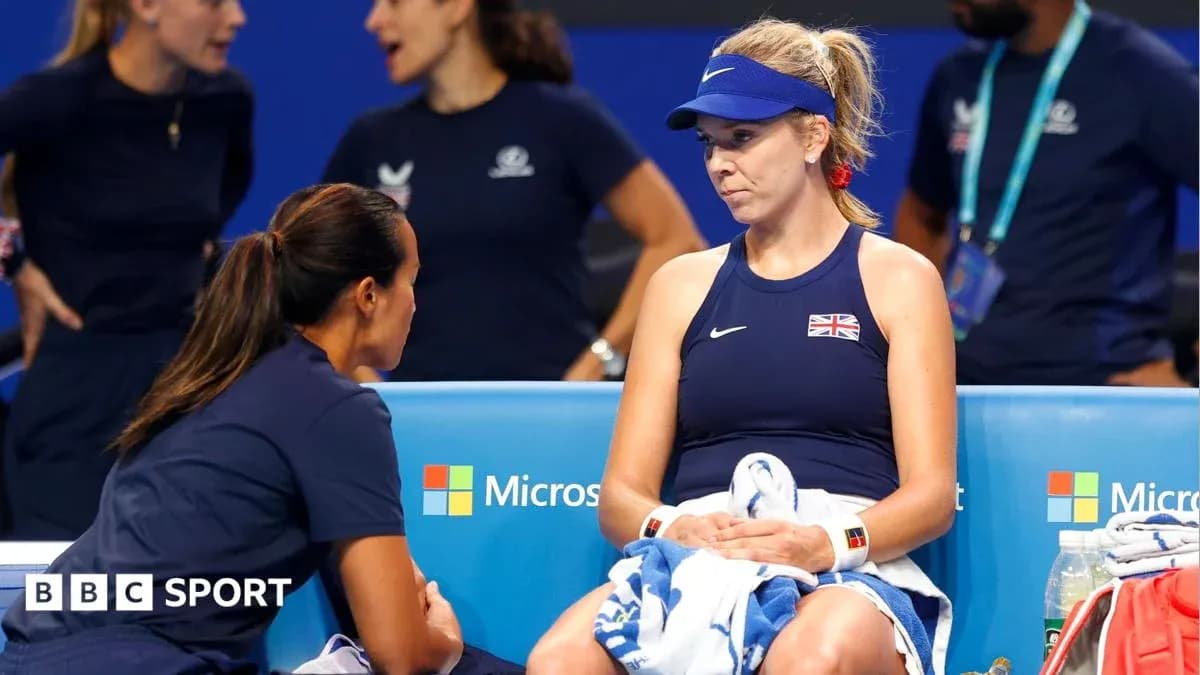
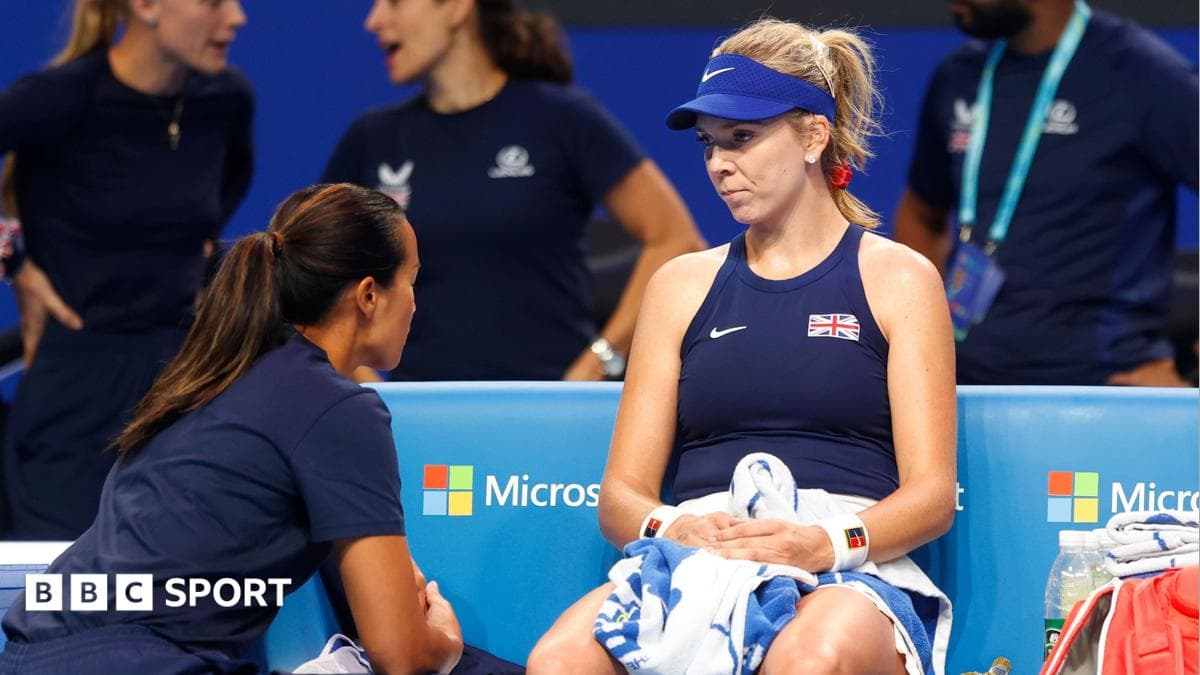
The Russian led Belgian Alexander Bloxs 6-2, 7-5, 3-2 when Bloxs retired, his body finally refusing to cooperate. He had come into the quarter-final already nursing a rib injury and looked patched together from the start: brace on his right ankle, bandage on his thigh, regular calls for the trainer.
He kept swinging, but every change of direction carried a wince. Eventually, the match stopped being a contest and became a question of how long he could last. At 3-2 in the third, the answer arrived. He could not.
Khachanov, who had done his job clinically up to that point, moves into the US Open semi-finals for the first time since 2022. It is also his first Grand Slam semi-final appearance since the 2023 Australian Open, a reminder that his power game still belongs at the business end of major tournaments.
A semi-final with weight
So the stage is set: Zverev, the man who has outlasted almost everyone this year, against Khachanov, the heavy-hitting baseliner back in the late rounds of a major.
One comes in off a run of straight-sets wins after early epics and a season of relentless deep runs. The other arrives with less time on court in this tournament, but with fresh memories of previous New York success.
Zverev knows the feeling of walking into a US Open semi-final with the city humming and the stakes rising. Khachanov knows what it is to swing freely when the draw thins out and the lights sharpen.
Only one of them will get another shot at a Grand Slam final.