The wait goes on for American men’s tennis. Twenty-three years and counting.
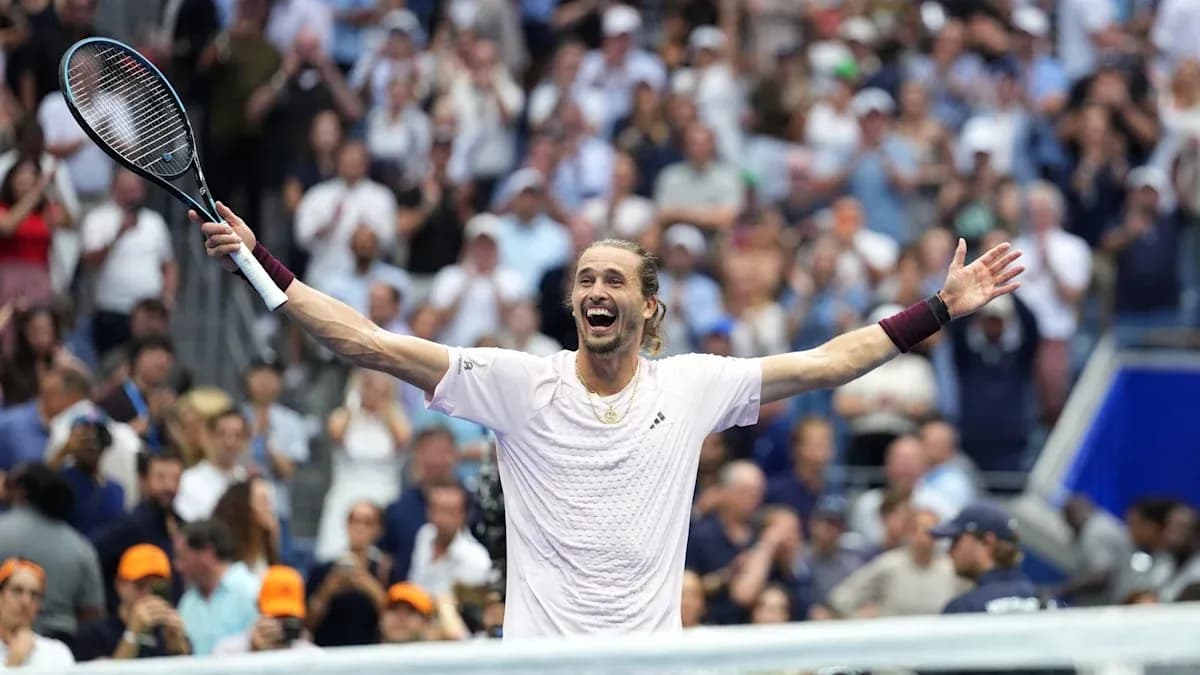
On a hot, restless night in New York, with Arthur Ashe Stadium roaring for the new hometown hope, Alexander Zverev walked into the noise, shut out the chaos and walked away with his first US Open title – and his second grand slam crown.
He did it the hard, ruthless way: 6-3, 7-6, 5-7, 6-2 over Ben Shelton, the booming left-hander who had carried US expectations and a nation’s hunger for its first male major winner since Andy Roddick in 2003.
Shelton had the crowd. Zverev had the answers.
The favourite who refused to blink
With world No.1 Jannik Sinner missing through a knee injury and defending champion Carlos Alcaraz already taken out by Shelton, the draw cracked open. Zverev, the top seed, didn’t let the gap close.
He came in with scars at this tournament. Four years ago he led Dominic Thiem by two sets in the 2020 final and still lost. This time, when the match tightened, he didn’t flinch.
The opening set set the tone. Zverev absorbed the American’s thunderbolt serve, picked his moments on return and clamped down on his own service games. Shelton, chasing lines and adrenaline, kept running into the German’s depth and discipline. One break was enough. Zverev pocketed the set 6-3 and barely reacted.
The second set turned into the kind of shootout Shelton thrives on. The American amped up the pace, drove the crowd into a frenzy and began landing more first serves. Zverev didn’t retreat. He matched fire with precision, dragged Shelton into longer rallies and leaned on his experience in the breaker. When the tiebreak went his way, he had a stranglehold: two sets to love, the stadium restless, the upset narrative suddenly under threat.
“The pressure finally told” could have been the story right there. But Shelton refused to let it end that simply.
Shelton’s surge, Zverev’s response
Down two sets, Shelton needed chaos, and for a while he found it. He swung harder, took bigger cuts on the return and fed off every roar. Zverev, so composed all night, wobbled. The German’s level dipped just enough, his forehand losing length, his first-serve percentage sliding.
Shelton pounced. He clawed his way through the third set, broke late and snatched it 7-5. The noise inside Arthur Ashe shifted from hopeful to believing. The American was back within touching distance, Zverev’s old New York ghosts stirred.
Then Shelton blinked.
In the very first game of the fourth set, with momentum finally in his corner, he dropped serve. Loose points, a few rushed swings, and the door he had just kicked open slammed shut again. Zverev, sensing the moment, tightened everything. From there, it was one-way traffic.
He rolled through the fourth set 6-2, taking control of every baseline exchange, dragging Shelton into uncomfortable positions and stripping the match of the volatility that had briefly threatened to engulf him.
Jelena Dokic summed it up on Nine as the result became inevitable: “It’s been a loud crowd, but it hasn’t affected him. He’s been locked in, Zverev.”
Locked in to the point he didn’t even realise the job was done.
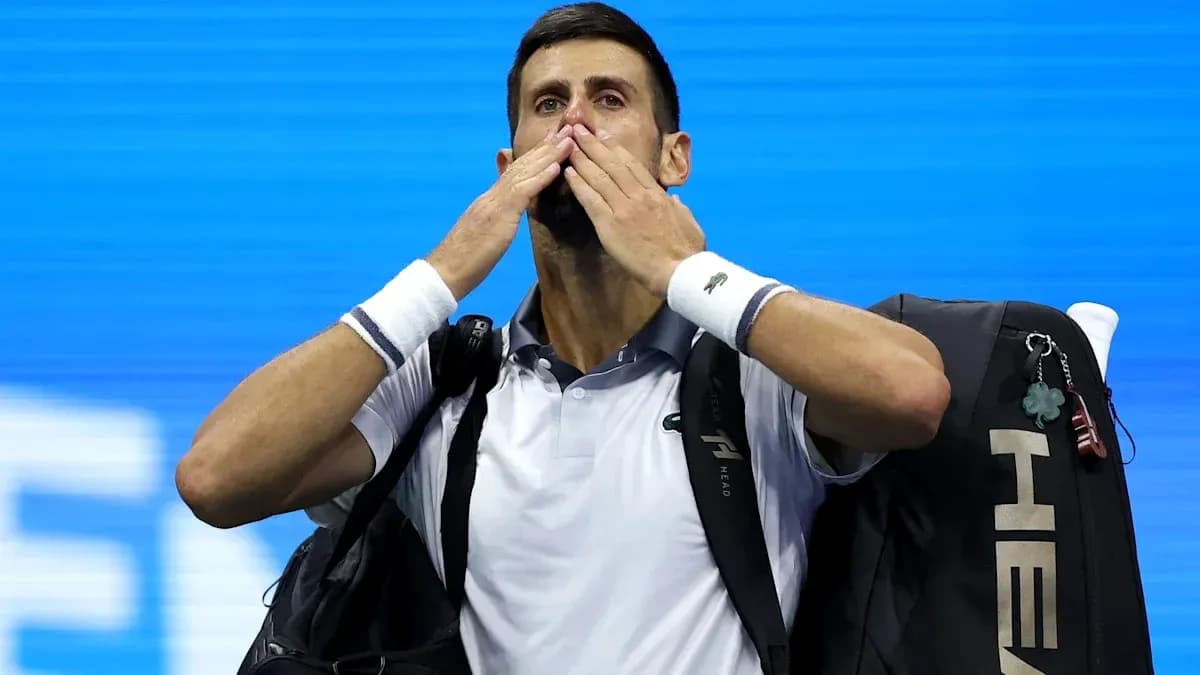
On championship point, when Shelton’s final ball flew long, Zverev turned back to the baseline, ready to serve again. Only when the stadium reaction shifted and the umpire called the score did the reality hit. Arms went up, eyes wide. Triumph, disbelief, and the release of a long, complicated journey.
“He didn’t know! My goodness. That is incredible,” Todd Woodbridge said on Nine. “That shows you how in the zone Zverev has been in this match today. He didn’t know the match was over, he didn’t know he had won the second grand slam title of his career. What a season it has become, and now time to celebrate.”
A champion forged in turbulence
This was not the run of an untouchable No.1 strolling through the field. Zverev almost left New York in the first week.
Lorenzo Sonego came within two points of knocking him out in the opening round at Flushing Meadows. Quentin Halys dragged him into five sets in the second. Zverev survived both, patched up his game and built a campaign that, by the second week, started to look inevitable.
His year has been anything but simple. Domestic abuse allegations from ex-girlfriends Olya Sharypova and Brenda Patea have followed him, casting a long shadow over his career. In Germany, a trial relating to Patea ended in a 2024 settlement, the case dropped without a verdict or admission of guilt.
“He’s had his battles on and off the court throughout his career and this year is turning into a magic moment for him,” Woodbridge said.
On court, the numbers now speak loudly. First Roland-Garros, now the US Open. For a country that went almost three decades without a men’s singles major, it is a sudden flood.
“We went almost 30 years without winning a grand slam title, and now we’ve won two in a span of three months,” Zverev said during the trophy ceremony, turning to his box. “I think God has seen how hard we worked, how much we suffered, how much pain we went through, and I think 2026 is the outcome of all the years that happened before.”
He reserved his most emotional words for his mother, Irina, a former professional who steered him through a childhood diagnosis that could have ended any sporting dream.
“When your four-year-old son is diagnosed with diabetes and doctors in the office tell you that life and sports will be very limited for that child, it takes a very strong mother to say ‘my son will be whatever he wants to be’,” Zverev said.
“If he wants to be a tennis player, he’ll be a tennis player. If he wants to do something else, he’ll do something else, but this illness will not define us. I’m happy that we worked through it, and we’re doing things that we’re doing right now. My mother is the most important and strongest person I know because it takes an unbelievably strong woman to do what she did.”
Shelton’s promise, America’s wait
Across the net, Shelton had to swallow the defeat and the noise that never quite carried him over the line. He is now 0-6 against Zverev, a stark head-to-head for a player tipped as one of the standard-bearers of the next American wave.
Roddick, the last US man to win a slam, watched from the stands as the latest challenger fell short. The script – local hero, giant serve, top seed across the net – felt familiar. The ending did too.
Shelton, though, chose respect over frustration.
“You’re one of the very best players in the world, maybe the best player in the world this year,” he told Zverev in his runner-up speech.
The United States will leave Flushing Meadows still searching for its next men’s major champion. Zverev leaves with two in his pocket, a season reshaped, and a new question hanging over the sport: if this is what he looks like when he’s “in the zone,” who stops him next time the big trophies are on the line?