Australia left Harare with a 3-0 series sweep, but this was no routine procession. It took a second ODI century from Josh Inglis, a nerveless late surge from Nathan Ellis and a cool head from number 11 Spencer Johnson to drag a one-wicket win from a match Zimbabwe will feel they should have closed out.
The winning runs came with just one ball to spare. The scars – and the lessons – may last a lot longer.
Inglis stands tall amid the chaos
Chasing 272, Australia were never strangled by the rate. They were stalked by something far more dangerous: the steady drip of wickets.
Travis Head went for 6, Mitchell Marsh for 8, and with both openers gone cheaply the innings took on an uneasy shape. The runs came, but so did the mistakes. Every small partnership seemed to promise stability, then snap.
Inglis refused to go with them. The wicketkeeper batter played the innings of the day, 103 from 102 balls, laced with 11 fours. He picked gaps, punished anything even half a stride off length and repeatedly reset the chase whenever it threatened to slide.
While others flickered, Inglis burned steadily. By the time he fell, Australia were close enough to taste the win but still far enough away to choke on it.
Zimbabwe’s captain leads, and is left wondering
Earlier, Zimbabwe had done almost everything right with the bat after choosing to set a score.
Sikandar Raza, again, was the heartbeat. His unbeaten 81 from 72 balls gave the innings its tempo and its finish, building on the platform laid by Craig Ervine (59 from 79) and Innocent Kaia (55 from 66). The trio combined craft and intent, nudging Zimbabwe towards what looked a competitive total on a surface that rewarded clean striking but punished loose strokes.
They never quite broke free, yet they never stalled either. A target around 280 had seemed on; 272 still felt like a number that would ask serious questions.
With the ball, Brad Evans made sure it did. The all-rounder was the pick of the home attack, taking 4-47 in his 10 overs and repeatedly dragging Australia back into trouble. His variations and discipline under pressure framed the chase as a proper contest rather than a formality for a second-string touring side.
Raza, for his part, read the conditions astutely enough to believe his side were in the game from the outset. Afterward he admitted he had seen 280-290 as par, and Zimbabwe came close to proving him right.
Ellis survives, then finishes
The match turned, cruelly for Zimbabwe, in the penultimate over.
Ellis, already Australia’s best bowler with 3-50 from his 10 overs, offered a chance that should have ended it. Wessly Madhevere put it down. In that instant, the entire mood of Harare Sports Club shifted. From expectation to anxiety.
The drop proved fatal. Given a life, Ellis made Zimbabwe pay in the final over, launched into the role of unlikely finisher with 36 from 44 balls. Needing nine from the last six, he struck a six off the first ball of Madhevere’s over, ripping the tension out of the equation and leaving his side on the brink.
Johnson, on debut as a number 11 in a tight finish, held his nerve with 7 from 13 balls, backing Ellis and refusing to panic. Between them, the last pair dragged Australia over the line, leaving Zimbabwe to rue not just one missed catch but a cluster of small moments that slipped away.
A nervy win, a useful warning
Mitchell Marsh did not hide from the reality that Australia “got lucky” on the day. His team had the series in the bag, several senior players rested, and yet still found themselves a misfield, a misjudgment or a mis-hit away from defeat.
At the same time, he could point to what this tour was supposed to reveal: resilience under pressure and the emergence of new options. Inglis’ hundred, Ellis’ all-round performance, Johnson’s composure at the death – these are the kinds of performances that stretch a squad, not just fill it.
Marsh spoke of “lots of positive signs” and “young talent” that excites for the future. The manner of this win, scraping home rather than cruising, will only sharpen that focus.
Eyes on South Africa – and a different kind of test
With Zimbabwe now behind them and the series sealed 3-0, Australia head to South Africa with something more tangible than a clean sweep: a sense of what still needs to be built before their World Cup defence in 2027.
Pat Cummins and Mitchell Starc are due to join for the ODI leg, which begins in Durban on Thursday. The step up in pace, hostility and expectation will be immediate. Three ODIs there will act as a dress rehearsal in the very conditions that will shape the next World Cup, most of whose matches will be played in South Africa, with others in Zimbabwe and Namibia.
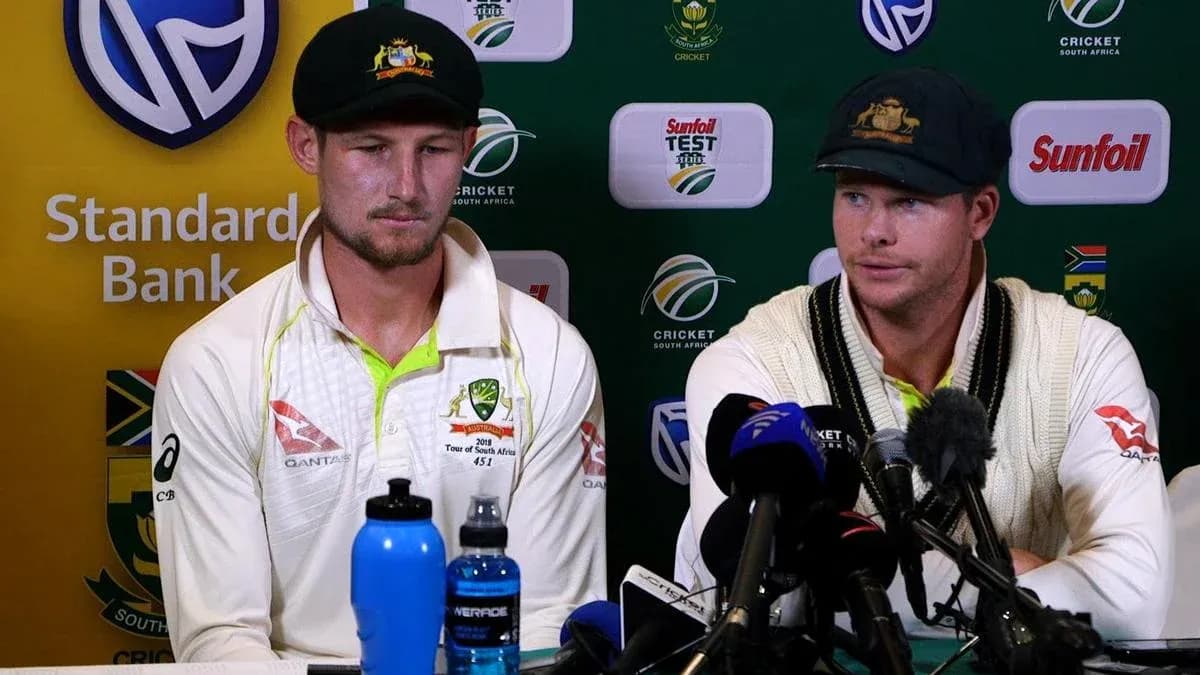
Then come three Tests in Durban, Gqeberha and Cape Town – Australia’s first red-ball visit since the 2018 ball-tampering scandal. The backdrop will be impossible to ignore, even if Inglis insisted the squad had been locked in on the job at hand in Harare.
He called the tour a “nice little trial run”, a chance to feel out conditions, test combinations and absorb the pressure that comes with defending a title on foreign soil.
Australia left Zimbabwe with a trophy in their hands and a scare fresh in their minds. The question now is whether this narrow escape becomes a warning shot that sharpens their World Cup defence, or a sign that the gap to the chasing pack is already closing.