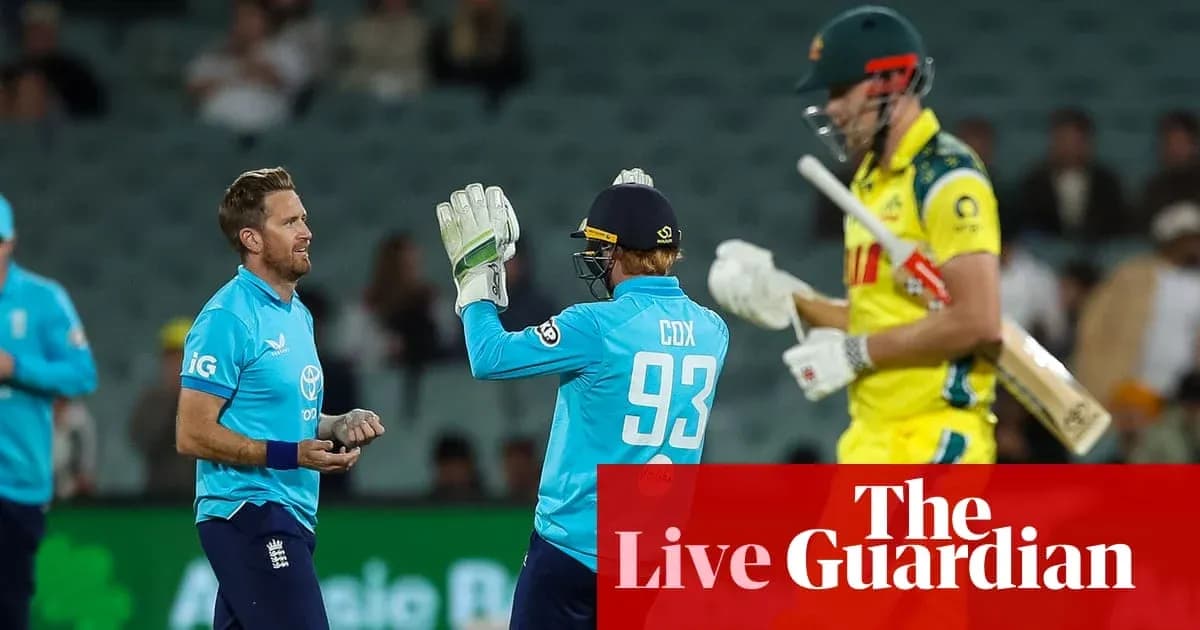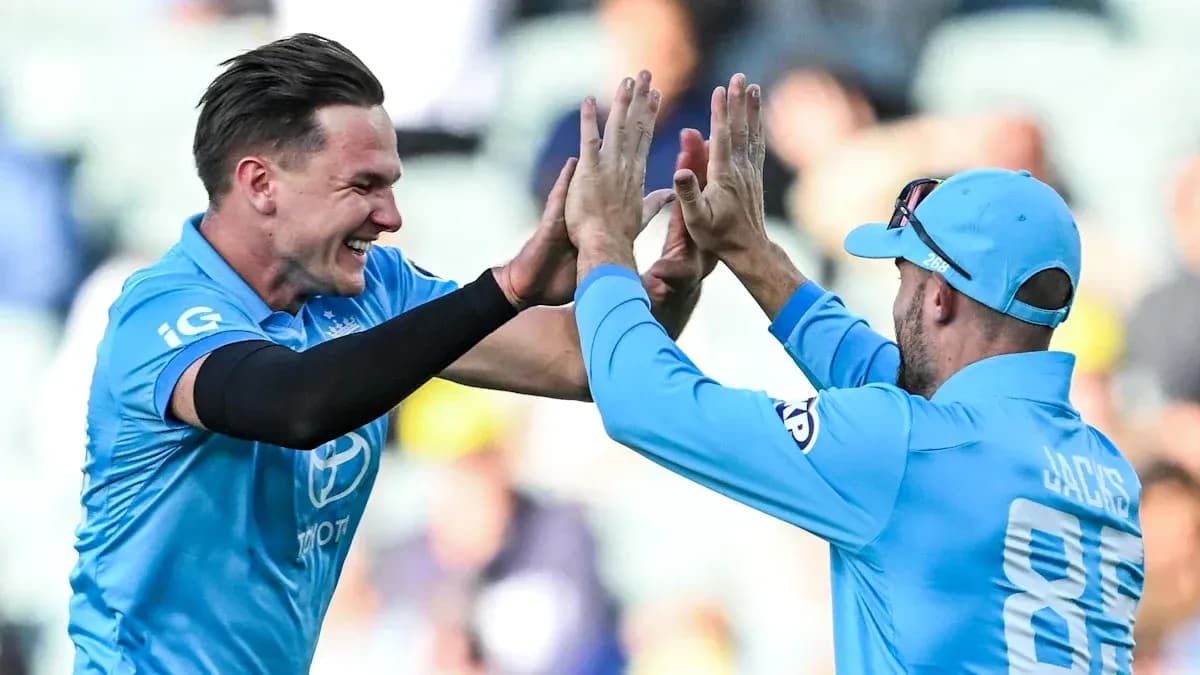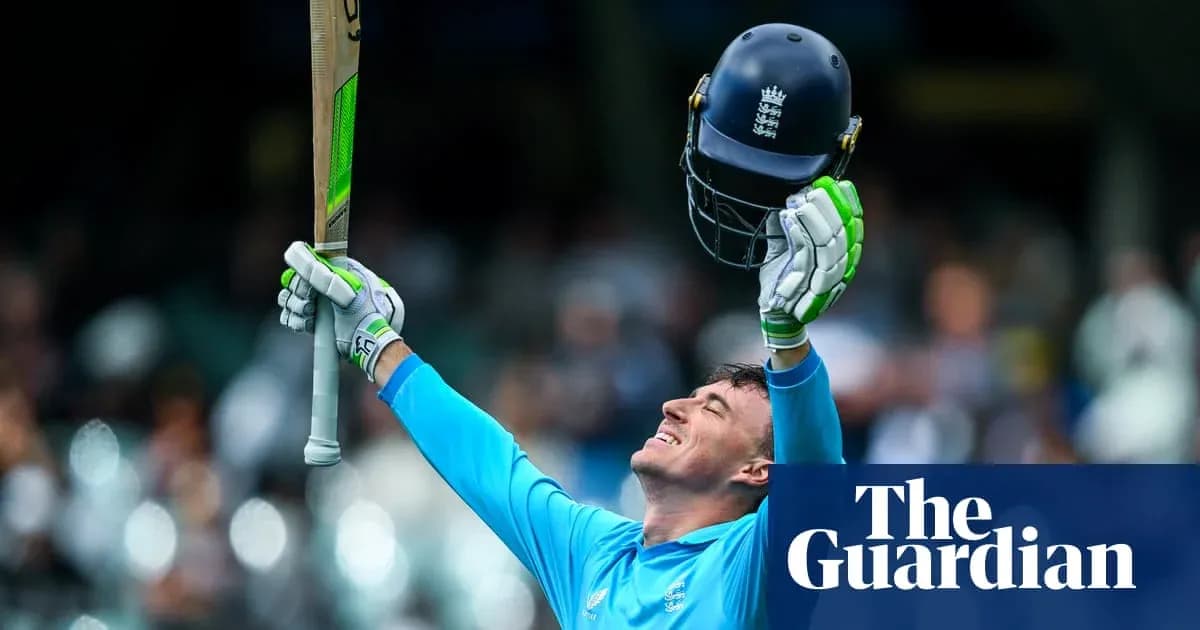
Tom Banton and Gus Atkinson didn’t just drag England back into this one-day series. They tore up the script on Australian soil and wrote their names across Adelaide Oval in thick black ink.
On a ground where touring sides usually come to suffer, England piled up 355 for six – the highest total by a visiting team in an ODI in Australia – and then flattened the home side for 220. A 135‑run win, the series level, and suddenly a group that has looked fragile for a year started to resemble a threat again.
Banton’s statement innings
Asked to bat first, England needed someone to own the day. Banton stepped forward and did it with style.
He shook off an early blow to the helmet from Spencer Johnson, then unfurled an innings of authority and range: 121 from 99 balls, crisp through the covers, brutal square of the wicket. Four times he cleared the short square boundaries with sixes, a reminder that when he plays with a clear head and stable base, he is more than just a white-ball curiosity.
This was his second century since forcing his way back into the side in the summer, and it felt bigger than the numbers alone. On a surface far removed from the lively bounce of Perth, with Mahli Beardman – Australia’s six-wicket destroyer 48 hours earlier – rested, Banton read the conditions quickly and never let them dictate terms.
Joe Root, as so often, provided the glue. His 62, all timing and angles, allowed Banton to keep his foot down without tipping into recklessness. Their stand set the tone and the tempo, and when Root departed, England were perfectly placed for a final assault.
Harry Brook, though, never joined the party. With fine leg up, he tried to ramp Riley Meredith and was bowled for five, a dismissal that will only harden local views of his high‑risk instincts. With Banton motoring at the other end, it was an option that looked loose in real time and worse on replay.
The mistake was underlined by what followed.
Jordan Cox walked in, took a breath, and showed how to build an innings on this pitch. He started quietly, absorbed a few dots, then accelerated with cold precision. His 67 from 49 balls was timed to perfection, peppered with clean strikes and illuminated by one outrageous reverse-scooped four while down on both knees – the kind of shot that drains the life from a bowler.
Will Jacks mirrored that pattern. He began in second gear, then surged late, finishing unbeaten on 54 from 40 balls. Atkinson arrived at the back end to club a couple of late sixes, pushing England beyond 350 and, crucially, shifting the psychological weight of the chase squarely onto Australia.
England had the runs. The question, given recent history, was whether they had the nerve.
Atkinson rips out Australia’s top order
They have already lived through one modern-day horror show this winter, somehow failing to defend 429 in a tri-series meltdown in Pakistan. Adil Rashid, the man who has held their middle overs together for more than a decade, was again carrying drinks. The scars from those collapses do not fade quickly.
So Atkinson took the doubt out of it.
Sharing the new ball with the recalled Sonny Baker, he went straight at Australia and never let them breathe. His first spell was all sharp lines and hostility, helped by just enough nip and carry to keep batters groping. Travis Head, Cooper Connolly, Josh Inglis – all gone inside the first seven overs. Australia were 29 for four, the chase in ruins before it had even begun.
At the other end, Baker justified his selection with late outswing and nerve. He drew Mitch Marsh into a loose stroke and watched Root, at slip, cling on to one of two excellent catches that framed England’s early surge. Dropping Jamie Overton and preferring Baker to Jofra Archer with the new ball suddenly looked like a calculated call rather than a gamble.
Yet England being England, it wasn’t entirely straightforward.
Drops, a rebuild, and the final squeeze
The fielding, so sharp early on, briefly disintegrated. Hands that had looked adhesive turned slick. Both Matt Renshaw and Cameron Green were given lives they had no right to expect, and they made England sweat for it.
Renshaw and Green dug in, then expanded. Their 98‑run stand was calm, methodical, and just threatening enough to stir the Adelaide crowd. For a while, the chase stopped looking ridiculous and started to feel like a slow-burn ambush.
The pressure built. The margin for error shrank. England needed a break.
Liam Dawson provided it. Coming around the wicket, he pinned Renshaw lbw and punctured the partnership just as it began to look dangerous. The dismissal opened the door; what followed slammed it shut.
The second collapse – four wickets for 46 – carried the stamp of Sam Curran. He bowled the towering Jack Edwards with a slower ball that almost seemed to hang in the night air, a delivery of such exaggerated lack of pace that Edwards could only grope and miss. Next ball, Xavier Bartlett was gone first up, Curran suddenly on a hat-trick and Australia spiralling.
Green, who had battled hard for his half-century, eventually succumbed too, stumped off Dawson as he tried to force the rate. The last flicker of resistance went with him.
Atkinson returned to finish what he started, removing Adam Zampa to complete outstanding figures of four for 28 from his 10 overs. Archer, held back until the death, applied the final touch: a searing yorker that blew away Johnson and closed the game with a flourish.
Hobart awaits
From the wreckage of Perth to dominance in Adelaide, this has been a sharp swing in mood for Brook’s side. They remain a long way from flawless – the dropped catches, Brook’s dismissal, the reliance on Banton’s brilliance all underline that – but they now walk into a series decider in Hobart with momentum, runs on the board, and a new-ball spearhead in full roar.
A year out from a World Cup, these are the days teams remember. The question now is whether England treat Adelaide as a one-off, or the moment their campaign finally starts to harden into something serious.