Mahli Beardman walked off the Perth turf with the ball tucked under his arm and England in pieces behind him. On a day when Australian cricket once again woke to headlines about sandpaper and old sins, a 21-year-old quick with a smooth action and a nasty streak gave the home side exactly what they needed: a clean, brutal distraction.
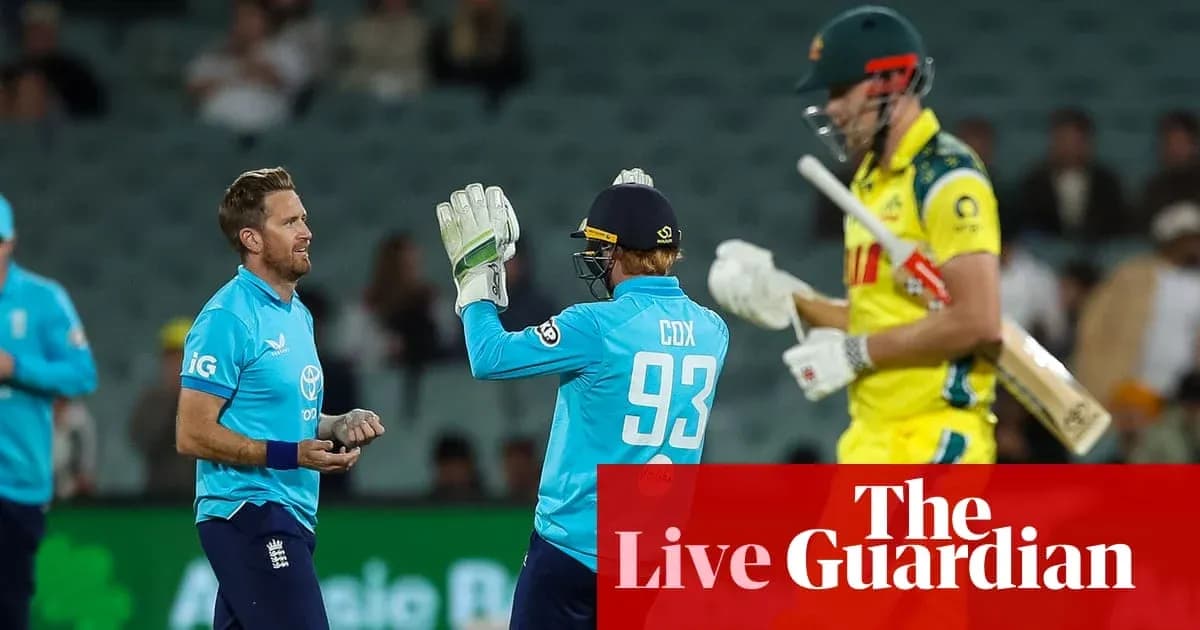
England were routed for 131 and beaten by seven wickets in the first one-day international, Australia cantering to 132-3 with 26.3 overs unused. The numbers are stark, but they barely capture how comprehensively Harry Brook’s side were outgunned.
Beardman rips through England
Hours after Pat Cummins publicly swatted away Usman Khawaja’s fresh claims about Cape Town, Beardman produced the kind of debut that instantly rewrites a career trajectory. Six wickets for 24 runs. The best figures by an Australian on ODI debut. Pace above 90mph, a hard length, and a ruthless understanding of what this Perth pitch wanted.
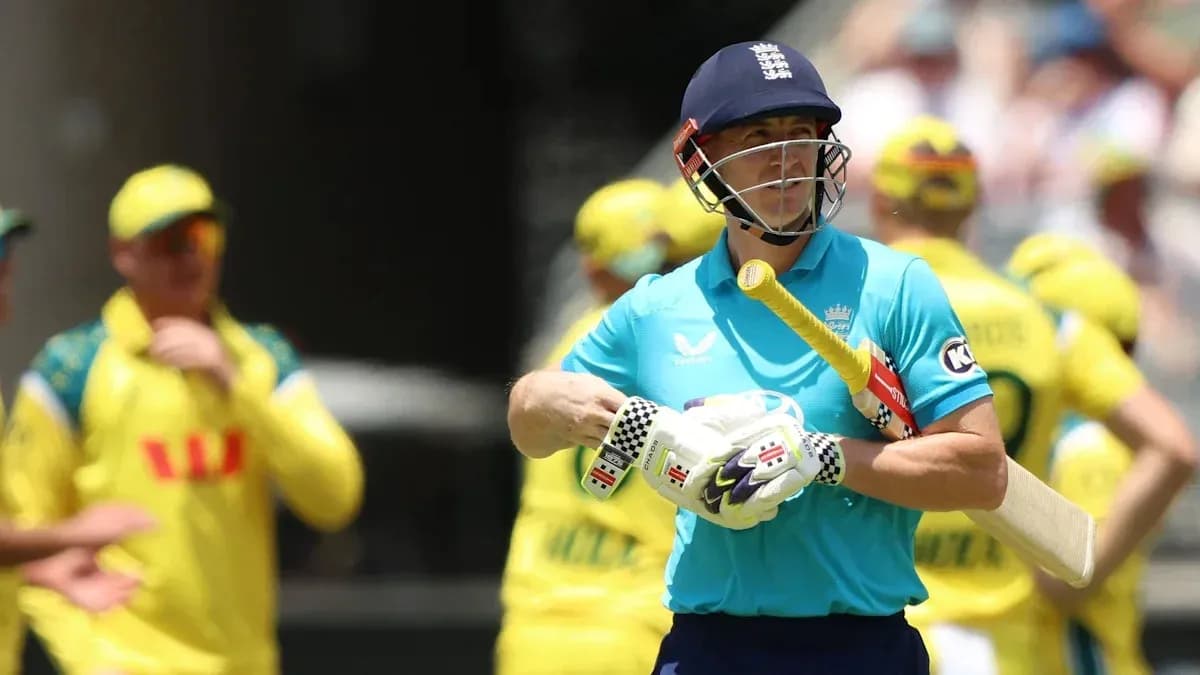
His first international wicket set the tone. Brook, England’s captain for the day, fiddled at one that kissed the outside edge and was gone in Beardman’s second over. From there, England never escaped the choke.
Joe Root, the senior anchor, was lured into driving at a ball just full enough, only to feather a thick edge for 17. Tom Banton had at least hinted at fluency with 25, but he too fell to Beardman, one of only three England batters to pass 20.
Jordan Cox nicked off tentatively for two. Sam Curran, exposed again by the short ball, top-edged a hook to fine leg for a seven-ball duck. All of it came in an opening spell of 5-18 from five overs that shredded England’s top and middle order before the innings had even reached halfway.
Liam Dawson and Jofra Archer later joined the list of victims, both undone driving on the up. Six wickets, each a variation on the same theme: England misreading the bounce, misjudging the length, and gifting chances in the cordon and the ring.
This was not a mystery spell. It was an execution of basics at high speed on a surface that rewarded them. Beardman hit the top of off, banged in the short ball, and never let England settle.
Old scars reopened in Perth
For England, Perth carries a particular kind of scar tissue. A year ago, in the opening Ashes Test, they arrived undercooked and were bounced out, repeatedly caught driving loosely on the up. The parallels here were impossible to ignore.
Banton, feet rooted, flayed a drive and thick-edged to the cordon. Ben Duckett, trying to force Spencer Johnson through the off side, sliced to backward point. Both openers gone cheaply, both dismissals straight from the Ashes nightmare reel.
This time, England could not blame a rushed build-up. They have had time in Australia, time in the nets, time to talk about adapting to pace and bounce. They still made the same mistakes.
Root’s dismissal summed it up: a ball of driving length, yes, but in Perth that length lives in the danger zone. The bat went hard at it, the edge followed. Cox stayed in his crease and poked. Curran swung at a bouncer he never controlled. The pattern never broke.
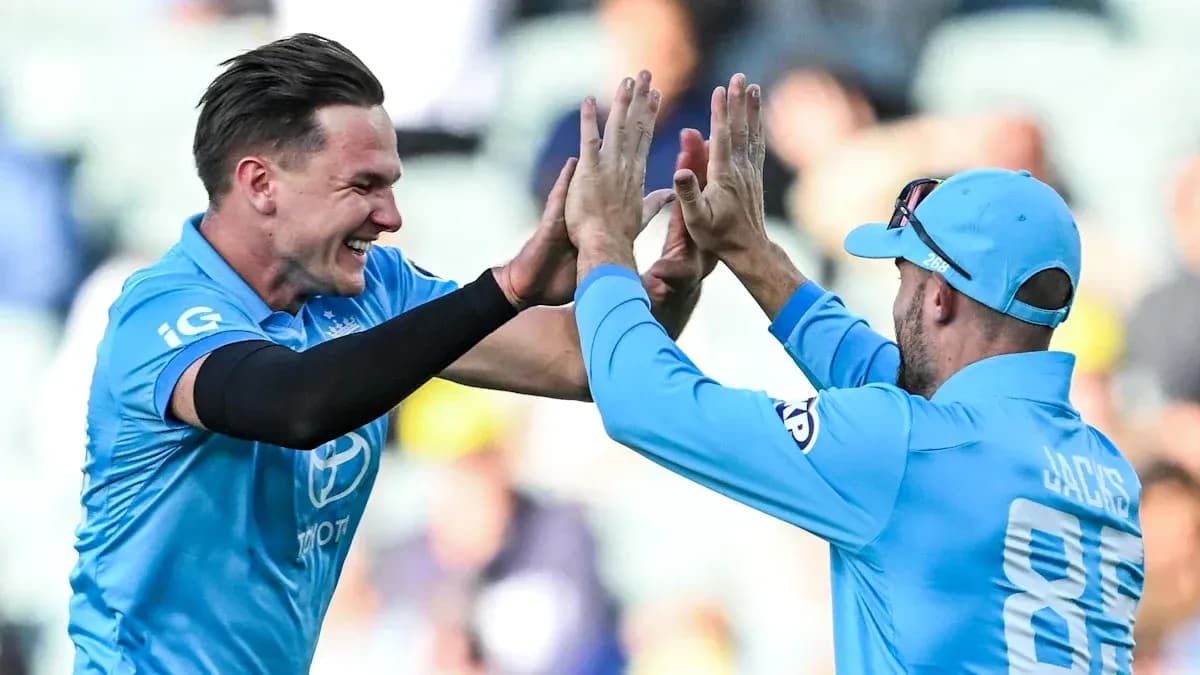
From 65-8, Will Jacks briefly fought back with 25, trying to inject some sanity into the scorecard. Gus Atkinson, with 29 not out and the innings’ only six, at least gave the travelling support something to applaud. It was nowhere near enough.
England were bowled out in 33.4 overs. Since Brendon McCullum took charge, they have now been dismissed in 29 overs or fewer 15 times in 29 ODIs, 11 of those collapses coming when batting first. The attacking mantra has been tempered, the recklessness dialled down, but the structural frailties remain.
This was not a case of wild slogging. It was something more worrying: basic misjudgment on a surface they knew would jump and seam.
New faces, same Australian menace
Australia’s victory will not silence the debate around Cape Town or Khawaja’s book. It did, however, offer a glimpse of what comes after Cummins, Mitchell Starc and Josh Hazlewood eventually step aside.
Those three, their roles in the 2018 scandal dragged back into the spotlight, were rested here. Their absence cleared a path for Beardman, a quick whose early career has already been slowed by back injuries, to take centre stage.
He seized it. Full balls that demanded a decision. Short balls that hurried the bat. A line that asked England to play and punished them when they did. Around him, Xavier Bartlett, 27, was sharp with the new ball, while left-armer Johnson added Duckett, Jamie Overton and Jacks to the pile.
England could not even capitalise on a rare early gift: Travis Head, their tormentor in last year’s Perth chase, dragged on first ball. No platform, no scoreboard pressure, no late surge. Just a procession.
Marsh finishes the job
If Beardman broke England, Mitchell Marsh finished the contest.
On his home ground, under the same bright Perth sky that once saw him booed as an all-rounder not quite trusted, Marsh now strides to the middle as captain and enforcer. Chasing 132, he treated the target with near contempt.
He hammered a 29-ball fifty, four of his blows sailing over the leg side rope. Anything short sat up to be clubbed; anything full was dismissed with a swing that spoke of total comfort with the extra pace and bounce.
Head may have gone first ball, but Australia never looked remotely troubled. Cooper Connolly added a brisk 27, and even when Marsh holed out for 50, the result was already locked in.
Josh Inglis and Matthew Renshaw eased through the remaining runs, nudging and driving Australia home with 26.3 overs to spare. Only twice in history have Australia beaten England in an ODI with more balls left.
The chase felt less like a contest and more like a training exercise in how to bat on this surface. Invest early, respect the bounce, cash in once set. Former all-rounder Tom Moody captured it bluntly: this was not a 300 pitch, but it was certainly worth far more than 131. A competent side, he argued, should walk away with 230 or 250.
England never got close to that kind of assessment, let alone execution. They pushed at length balls that climbed and nipped. They paid for it, again and again.
England already under pressure
This defeat comes on the back of damaging losses to Pakistan and Sri Lanka in last month’s tri-series. The World Cup is a year away, but the warning lights are already flickering.
The second ODI in Adelaide on Sunday now carries a weight it should never have needed. Not for the series, which is still young. For England’s credibility as a side supposedly building towards another global title tilt.
They have been bowled out too often, for too little, in too many conditions. The rhetoric about learning and adapting has started to sound thin. Perth, with its ghosts and its scars, just tore another hole in the story.
Australia, meanwhile, will wake up to more questions about old controversies and uncomfortable chapters. They can at least point to Beardman, Bartlett and Johnson and see a future that looks fast, hostile and, on days like this, utterly unforgiving.
If this is what the next generation of Australian quicks looks like, how many more days like Perth can this uncertain England side endure?