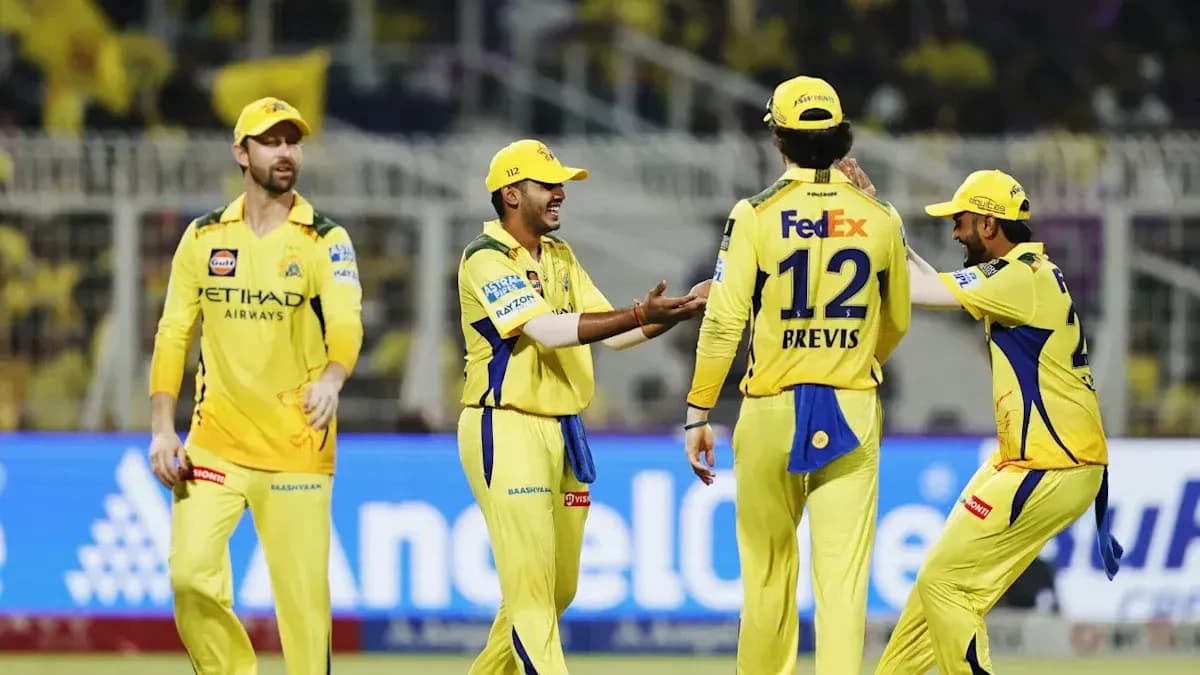
On a sun-splashed summer at Stormont, international cricket finally felt big in Belfast. New Zealand for a Test. India in the one-dayers. Afghanistan in the T20s. Full banks, flags, noise.
And yet, the city’s new professional cricket franchise – the Belfast Wolves – has not faced a single ball there.
For now, Belfast’s team is a travelling show. One of the founding members of the European T20 Premier League (ETPL), the Wolves have played their inaugural season entirely on the road, split between Dublin and the Netherlands. No home fixtures. No familiar walk from the car park. No local terrace to call their own.
The owners insist that will change. They want Belfast to host matches as early as next year. Until then, the franchise is trying something unusual: build a fanbase in a city that has only seen them on TV.
Building a club without a ground
Stormont’s packed summer proved one thing – there is an appetite for high-level cricket in Northern Ireland. The Wolves are trying to turn that appetite into allegiance.
Six ETPL teams, one centralised competition. Several with no home games at all. It’s a model designed for broadcast, not bricks and mortar. That brings reach. It also brings a problem.
Claire Hughes of En2End, a sports fan engagement agency, believes the first hurdle is surmountable.
She said it is “possible to create initial hype around a new sports franchise without it playing in its home city”, pointing to the power of strong personalities, heavy broadcast coverage and sharp storytelling. A clever social feed, good cameras, a few stars – the basics of modern sport marketing.
The harder part sits closer to the heart of any club.
“Building genuine, lasting fandom is much harder without a physical presence or shared experiences that allow local people to feel the team genuinely belongs to them,” she said.
That’s where the Wolves’ off-field work begins. Hughes sees “interesting opportunities” in community engagement, grassroots cricket, fan events, screenings, local partnerships and “creating recognisable personalities and rituals around the team”.
The name “Belfast Wolves” is already out there. The real test, she warned, will be turning that name recognition into “an authentic connection with Belfast audiences”.
Young cricketers, future fans
For the next generation, the Wolves are more than a brand exercise. They are a potential pathway.
Harry Dyer, 20, and 19-year-old Adam Leckey are part of the Northern Cricket Union (NCU) talent development programme. They are exactly the kind of players the franchise wants to inspire – and eventually select.
Harry feels the buzz. But he knows what’s missing.
He believes home fixtures will be “key in building momentum”, and is already picturing what that could look like.
“Hopefully in future, if Belfast were to have home games with all the facilities that they are planning to get brought in, I think younger kids would definitely follow them and hopefully call the Belfast Wolves their team,” he said.
The format helps. The ETPL is T20 cricket – short, sharp, made for modern attention spans.
Harry thinks that matters. The matches are “fast-paced, dynamic and a shorter form of cricket”, and he sees the league as more than just sport.
“The ETPL is an event as well, it’s not just a cricket match. I think that could be a drawing factor for people to come and watch, for example like The Hundred and stuff like that, with live DJs.”
Adam has already tracked the Wolves in person, watching them in the Netherlands. For him, the hope is simple: that next year he can do the same thing in Belfast.
He is honest about cricket’s place in the local pecking order.
“Compared to the amount of people that play rugby, play hockey, play football, barely anybody plays cricket and something like this could maybe interest people,” he said.
If the Wolves can turn casual curiosity into regular crowds, they will not just be building a franchise. They will be changing a sporting culture.
‘Family, fearless and fun’
At the top of the organisation, the message is clear.
Wolves chief executive Neil Maxwell believes there is already “a level of passion in Northern Ireland about the game” that the franchise wants to tap into. He talks about connection, not just content.
The team’s chosen “catchcry” is simple: “family, fearless and fun”.
That is the identity they want people to feel, not just read on a banner.
“If we can make that connection with our audience and with our fans, I think that'll be a real positive for us. I think a legacy there would be to help develop the game in this region,” Maxwell said.
Legacy is a big word for a team yet to host a match in its own city. But it underlines the scale of their ambition.
Opportunities, not obstacles
The Northern Cricket Union, which governs the game across Antrim, Armagh, Down and part of Tyrone, has nailed its colours to the Wolves’ mast.
The NCU has formed a partnership with the franchise, sharing the aim that the team becomes “a source of pride and inspiration for young cricketers”.
NCU chief executive Callum Atkinson does not ignore the obvious issue – a Belfast team without Belfast games. He calls it “a significant opportunity”, but accepts that the lack of home fixtures is a challenge.
“Every new sports franchise has opportunities and considerations as it establishes itself,” he said. “We are focused on building awareness of a completely new competition and franchise.
“For many people, the ETPL and franchise cricket is a relatively new concept, so there is an opportunity to introduce fresh audiences to the sport and create new connections with cricket.”
The first season has been about getting the show on the road and keeping it there. Atkinson said the focus so far has been on “successfully launching the competition”.
From his perspective, the glass is more than half full.
“We see these as opportunities rather than challenges,” he said. “Northern Ireland has a strong sporting culture and relatively few major sporting events during the summer months, which creates real potential for the Belfast Wolves to establish a unique place in the sporting landscape.”
So the Wolves wait. They travel, they broadcast, they market, they talk about “family, fearless and fun”. They lean on a packed Stormont summer as proof that the city will turn up when the gates finally open.
When that first home game arrives, Belfast will decide: is this just a name on a screen, or a team it can truly call its own?