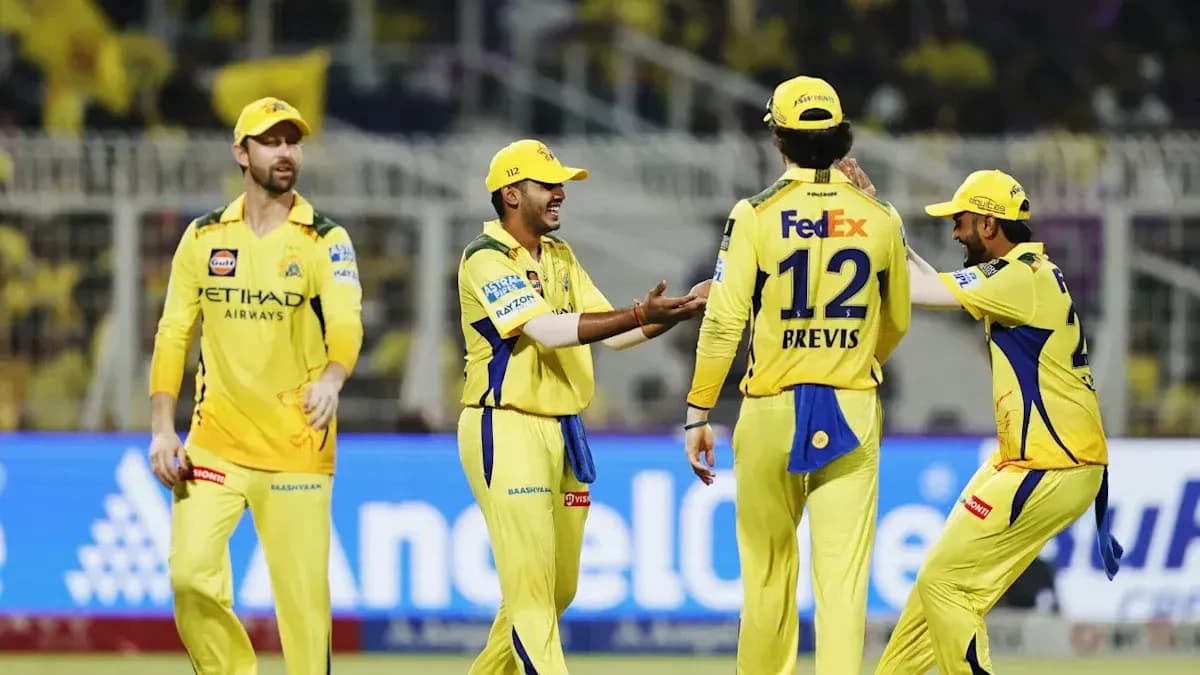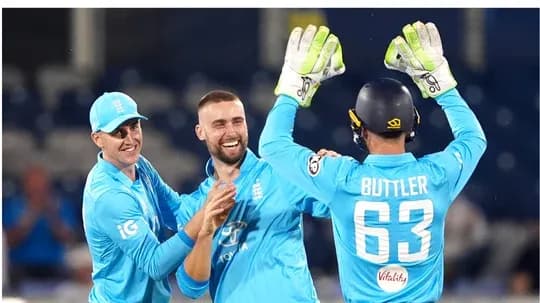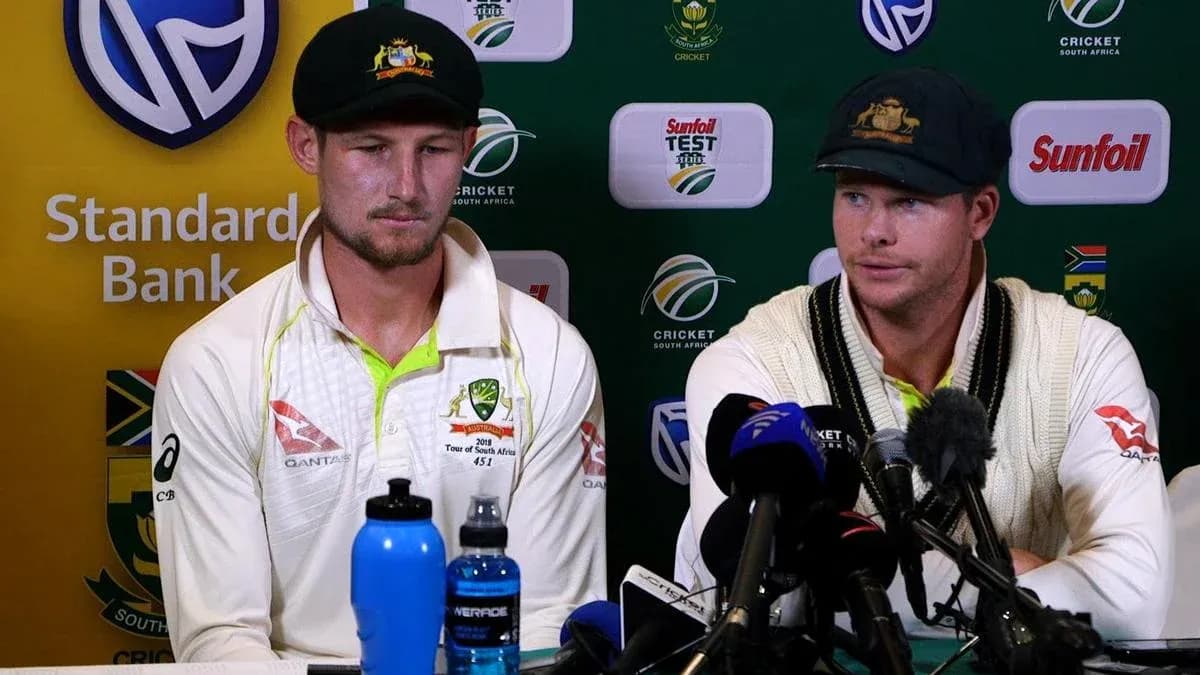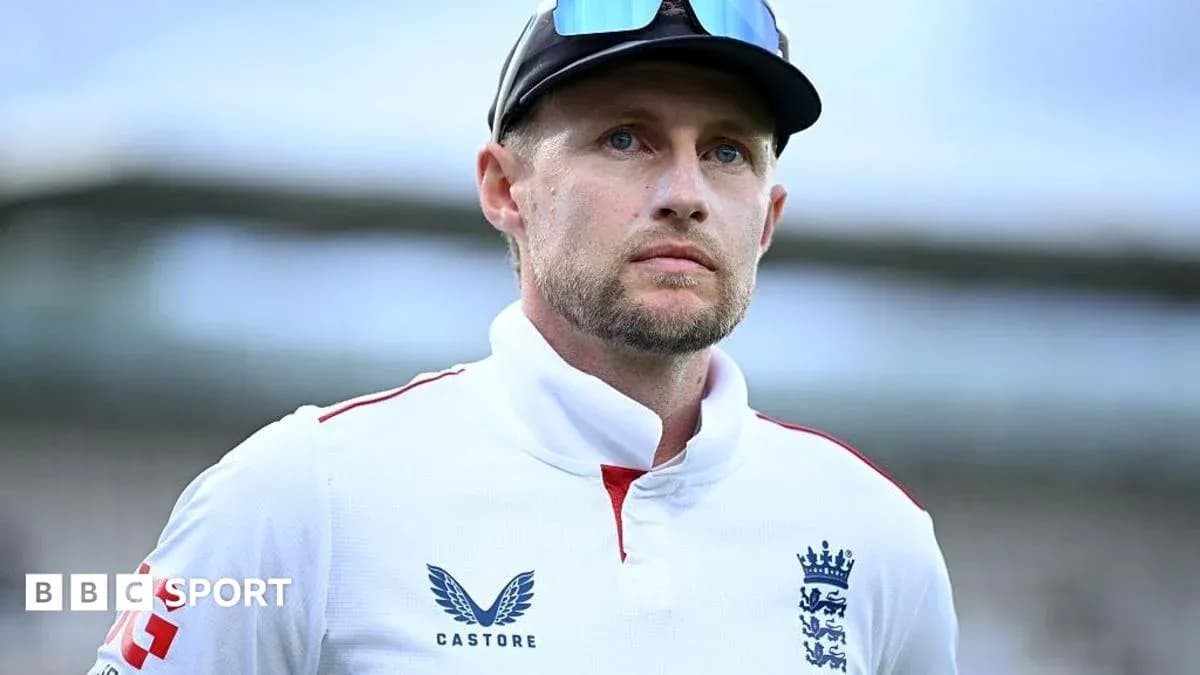
Joe Root walked back into the England captaincy in 2026, Kevin Pietersen slipped back into the dressing room, and somehow it already feels normal. That, in itself, tells you how wild and disorienting this English summer has been.
The post-Ashes debate about change now feels like ancient history. England have stumbled out of the Bazball age without ever quite deciding to leave it. The revolution ended not with a statement, but with a shrug.
Was the summer wasted because the hierarchy stuck rather than twisted in the spring? Try selling that to Jordan Cox, Emilio Gay or Dan Lawrence, each of whom has used these months to carve out a place in the conversation. Or to a reborn Ollie Robinson, who has bullied batting line-ups in a way English seamers haven’t managed for years. Or to Root himself, who had to rummage through his garage to find that old captain’s blazer, dust it off and wear the responsibility again.
Losing Ben Stokes, though, changes everything. Any attempt to argue England are a better side now than they were in June runs straight into that brick wall. You do not remove a generational all-rounder, a leader who bent games to his will, and come out stronger. The 3-0 sweep of Pakistan was impressive, often ruthless, but it lives in that shadow.
Stokes’ England became an extension of his personality. What he said, how he played, the risks he took – all of it defined the team. Under Root, the tone is different. Quieter. Less swagger, more control.
For a while, it looked ideal.
Through the early part of the Pakistan series, England carried a calm assurance. They were not stretched, not truly. Root captained with a light touch, the dressing room felt settled, and the cricket followed suit.
Then came the third evening at Edgbaston.
With every clean strike from Razaullah, the composure drained. Two hours of frenzied hitting ripped through England’s plans and dragged old doubts out of storage. Fields scattered, bowlers searched for answers, and the game’s rhythm slipped away from Root. At one point, the captain left the field, a moment that said more than any post-match quote could. Under Stokes, England rarely felt that close to losing control, even when the scoreboard screamed danger.
There were crumbs of comfort. Stand-in coach Marcus Trescothick did not try to spin what everyone had seen. He admitted his disappointment, a clear shift from the relentlessly positive messaging that defined the Bazball era. At least the dressing room was prepared to call a bad session what it was.
Strip away the noise, and England end another summer in a now-familiar place: no one really knows how good this team is.
The pattern is becoming wearyingly clear. The drawn Ashes in 2023. The shock defeat to Sri Lanka at The Oval to close out 2024. The missed chance to win the final Test against India last year. And now this: a clean sweep over Pakistan that still leaves a hollow question hanging over the side.
Under Rob Key’s four-plus years as director of cricket, England have become experts at almost. When the marquee series arrive, they do not win them. Between those big occasions, they tease, they hint, they threaten to become something more – but the definitive statement never comes. The brass ring stays just out of reach, the end of the rainbow always a little further down the road.
What they do have is a pace attack that has stirred memories of 2005.
Ollie Robinson has owned the summer. Twenty-eight wickets at an average of 9.32 is not just good; it belongs to another era, the sort of numbers you expect to find in dusty scorebooks from before World War I. He has been relentless: tight lines, steep bounce, unerring discipline.
Around him, England have assembled a battery with variety and menace. Jofra Archer, Josh Tongue and Gus Atkinson supply the pace and hostility, giving Root a four-man seam unit that can attack in different ways. It is a Swiss army knife of an attack, if one missing the left-arm blade every selector craves.
Scratch the surface, though, and the depth thins quickly. Sam Cook, Sonny Baker, Matthew Fisher and Henry Crocombe have only four caps between them. Brydon Carse is an option, but the Derby incident still hangs over his immediate future and may influence whether he travels. Olly Stone, fit and firing again, is pushing his way back into the reckoning and may yet earn the recall his form deserves.
The next challenge is selection, not sentiment. England must pick an attack to survive a winter that asks very different questions.
South Africa in December and the one-off pink-ball 150th anniversary Test in Melbourne look tailor-made for the four-seamer template. Hard Kookaburras, long days, helpful evenings under lights – this is the environment where Robinson’s relentlessness and Archer’s pace can dictate terms.
Bangladesh in February is another world entirely.
On turning pitches, spin stops being optional. This is where England’s planning looks most fragile. For all the heat of the summer, their slow bowling has been almost irrelevant, a decorative extra rather than a primary weapon. As a result, they have a long list of candidates and no clear frontrunner.
- Shoaib Bashir
- Jack Leach
- Dom Bess
- Will Jacks
- James Coles
- Mason Crane
- Liam Patterson-White
- Calvin Harrison
- Jack Carson
can all make a case. None has yet slammed the door shut on the competition. The incumbent is, intriguingly, a batter: Dan Lawrence, whose part-time off-breaks have barely been seen at Test level but at least give England some flexibility on the teamsheet.
Lawrence’s bowling nudges him ahead of Jacob Bethell once the latter returns from his knee injury. If England stick with the extra spin option, that probably leaves a straight shootout between Jordan Cox and Emilio Gay for the final batting spot in South Africa.
So England leave the summer with Root restored, Pietersen back in the fold, a fearsome seam quartet and a spin department built on hope more than certainty. The pieces are scattered across formats, tours and time zones.
The question now is brutally simple: when the next defining series arrives, will this team finally grab it – or will they spend another year chasing that elusive pot of gold?