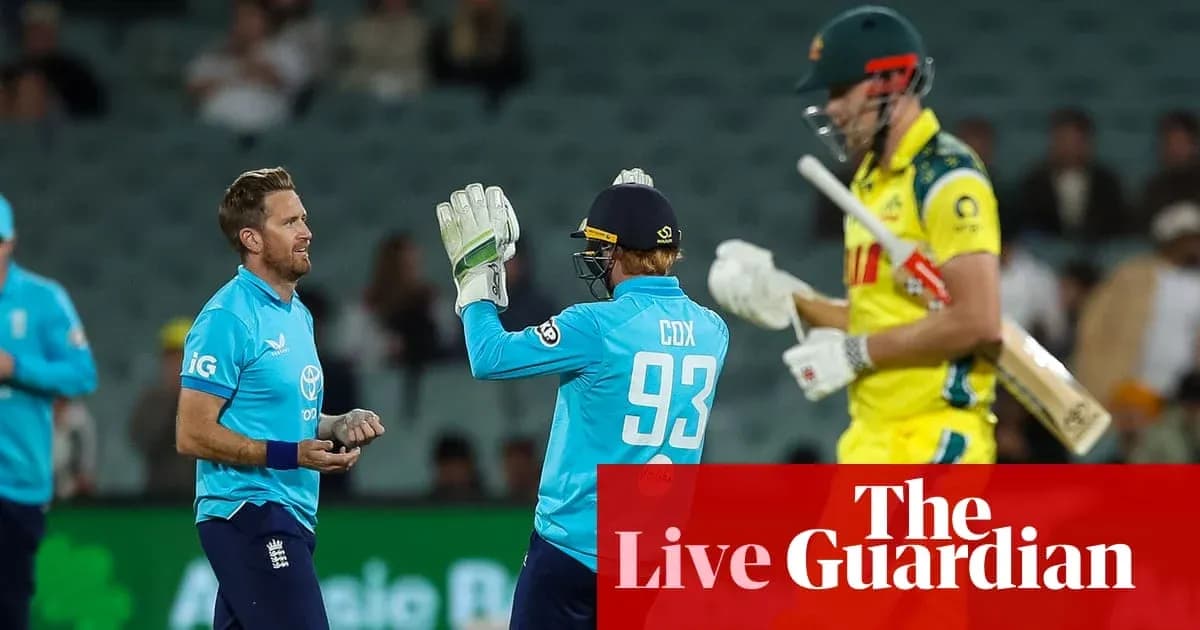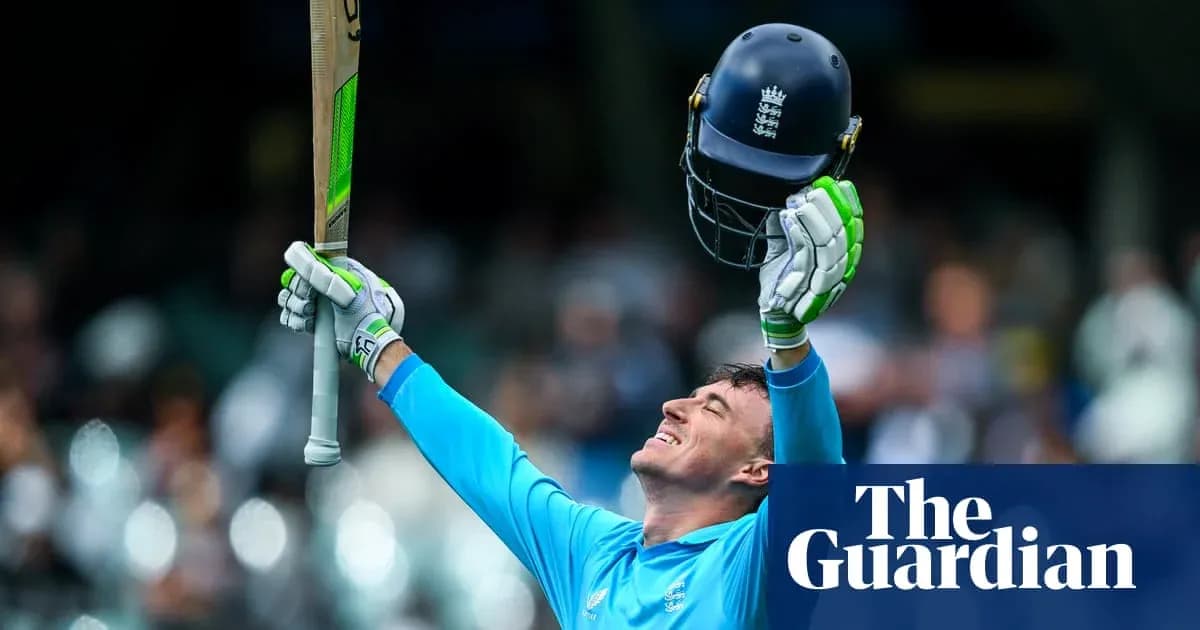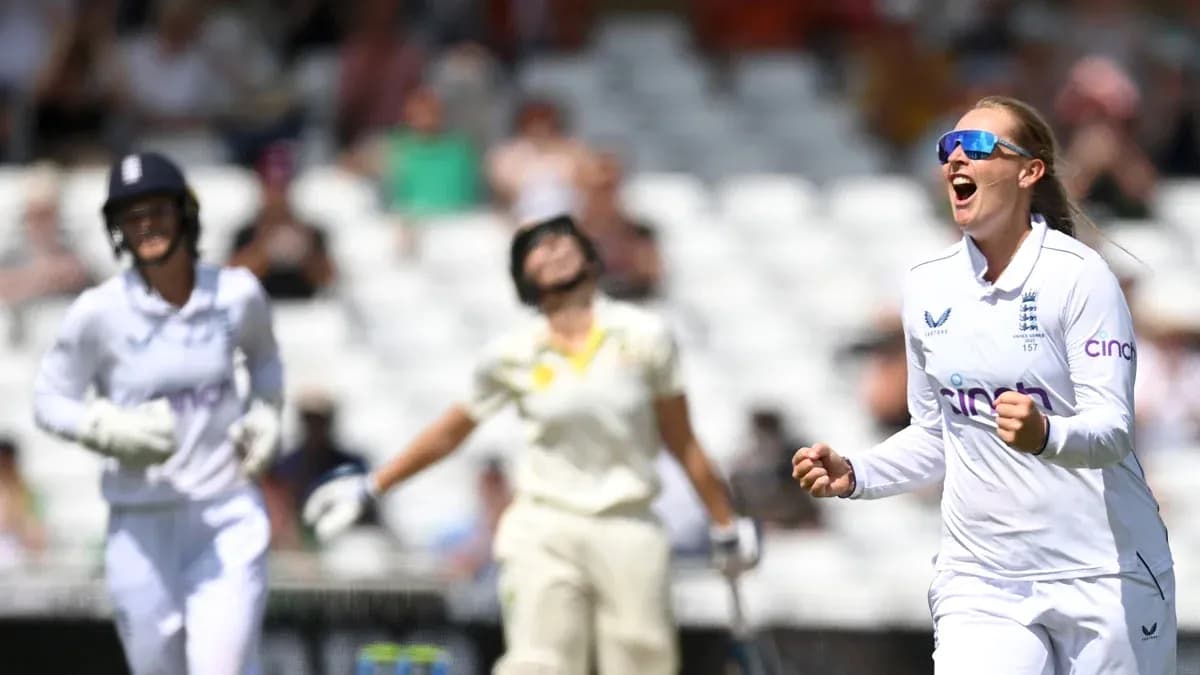
England are ripping up their usual script for the women’s Ashes – and building the entire year around one four‑day Test at Headingley.
The ECB has confirmed a red‑ball heavy plan aimed squarely at prising the urn back from Australia for the first time since 2015, even if it means cancelling a historic Test in the Caribbean to do it.
All roads lead to Headingley
The Headingley Test, starting June 24, sits at the heart of England’s strategy. Win there, and four precious points swing their way in a multi-format series where each white-ball victory is worth only two. Lose, and the mountain to regain the Ashes becomes almost sheer.
England know the numbers all too well. Since Meg Lanning’s side seized back the Ashes 11-and-a-half years ago, England have twice dragged the contest to 8-8 – away in 2017-18 and again at home in 2023 – only to watch Australia retain the trophy. The most recent series, a bruising 16-0 sweep to Australia in 2024-25, underlined just how far they still have to climb.
Australia’s win at Trent Bridge in 2023 remains the defining example. They took the Test, then lost four of the six white-ball matches, yet still walked away with the urn. England have heard that lesson loudly: red-ball cricket is where this Ashes could be won or lost.
With at least nine points likely required to wrench the trophy back, England have chosen to front-load their year with long-format preparation, not scattergun fixtures.
India camp in January, West Indies Test scrapped
The build-up starts in January with a 10-day red-ball camp in Bengaluru, designed to lock players into the rhythms and demands of multi-day cricket long before the English summer begins.
The original plan had England heading to the Caribbean after the inaugural ICC T20 Champion’s Trophy in February for a full multi-format series against West Indies – including what would have been West Indies’ first women’s Test since 2004.
That Test is now gone.
In a statement, the ECB made clear that preparing more players, in home conditions, has taken priority. With the English domestic season already under way by April, the board argued there simply is not enough space in the calendar to squeeze in a Test and still deliver the depth of red-ball work they want before facing Australia.
Cricket West Indies have agreed to the revised tour. The series will now consist of three IT20s and three ODIs only, mirroring the decision Australia and West Indies made last year when they shelved a proposed Test to focus on T20 World Cup preparation.
Best v best, in English conditions
Instead of a Caribbean Test, England’s leading players will remain closer to home and play four red-ball practice matches before the Headingley showdown.
The programme includes a three-day game against Australia A in the immediate build-up to the Test, a fixture loaded with subtext and selection intrigue. Around that, there will be three further red-ball “best versus best” matches, pitting England’s top players against each other to sharpen skills, raise standards and, crucially, create genuine competition for places.
ECB chief executive Richard Gould underlined the significance of the Headingley fixture, calling it “undoubtedly one of the highlights of the summer” and stressing the need to give Charlotte Edwards and her squad the right preparation. The India camp, followed by four matches in English conditions, is designed to ensure players are not reacquainting themselves with red-ball cricket on the fly once the Ashes begin.
The internal games also serve another purpose: testing the depth chart. England want to broaden the pool of players with meaningful multi-day experience, not just lean on a core XI and hope they hold together across formats. That means opportunities for fringe and emerging players to stake a claim in serious, competitive environments rather than net sessions and short stints in county colours.
Australia’s path – and the Ashes schedule
On the other side of the rivalry, Australia have yet to confirm whether they will schedule their own three-day warm-up before Headingley. History suggests they might. They have previously taken on England A in red-ball fixtures before their last two away Ashes campaigns.
Sophie Molineux’s team will at least have one vital hit-out in the format: a Test against South Africa in KuGompo City next April, their first since March. That match offers Australia their own chance to tune back into the demands of long-form cricket before they land in England.
Once the series begins, the shape of the contest is clear.
The 2027 Women’s Ashes tour opens with the Test at Headingley from June 24-27. From there, the tempo shifts to white-ball cricket:
- First T20I: July 3, Trent Bridge
- Second T20I: July 6, The Oval
- Third T20I: July 9, Old Trafford
Then come the ODIs:
- First ODI: July 13, Rose Bowl
- Second ODI: July 16, Lord’s
Every match will matter. But England have made one thing unmistakable: this Ashes tilt will be built on red-ball steel, not white-ball flair.
After a decade of near-misses and one brutal 16-0 humiliation, they are betting that four days in Leeds can change the story of an era.