England’s seamers tighten the screw as Tongue’s new weapon bites at Edgbaston
England’s four-man pace pack didn’t just knock Pakistan over at Edgbaston. They hunted as a unit, again, and this time with a new trick up their sleeve.
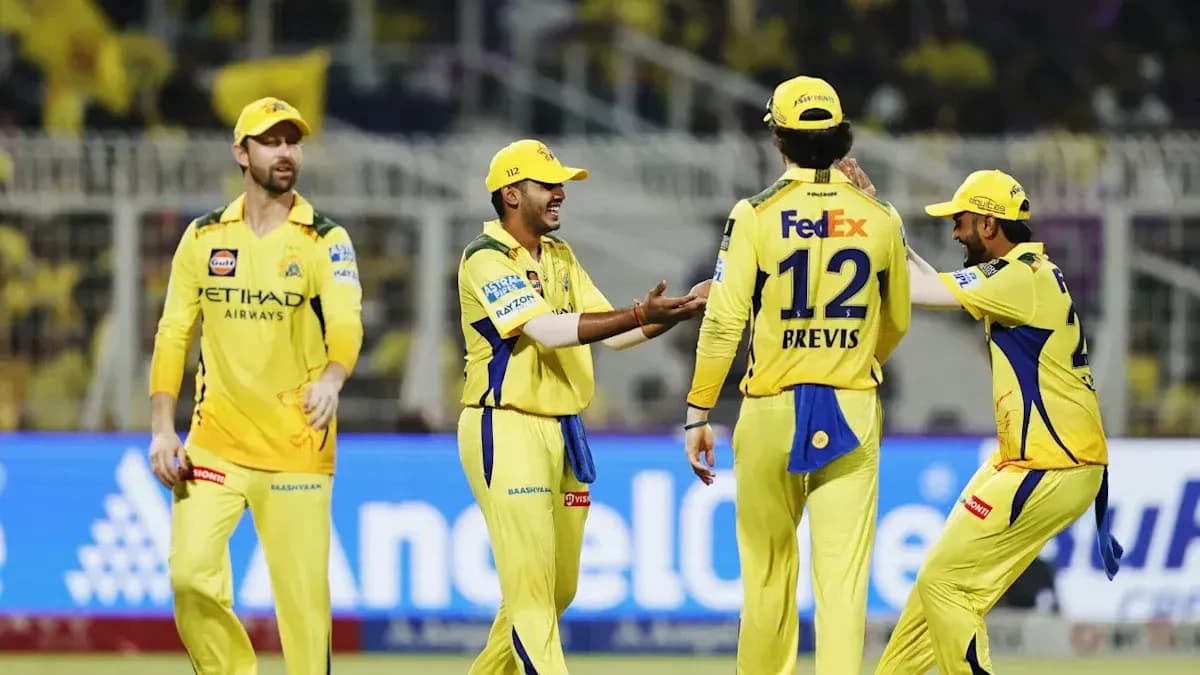
Pakistan were routed for 133, the fifth time in five innings this series they have failed to reach 200. England, 156 for four in reply and already 23 runs ahead with six first‑innings wickets in hand, walked off with the game – and the series story – firmly in their grasp, even if both dressing rooms insisted it remains delicately poised.
Tongue’s wobble seam pays instant dividends
At the heart of it all stood Josh Tongue, still relatively new to this level but bowling with the assurance of a man who has just added a fresh blade to an already sharp toolkit.
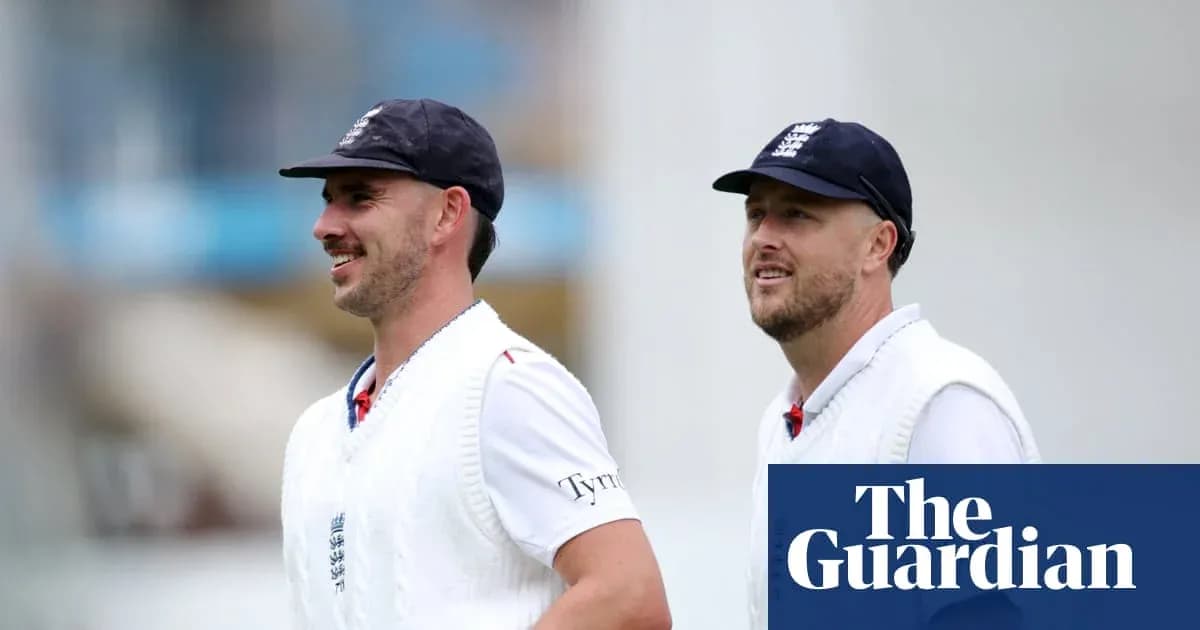
His wobble-seam delivery, developed away from the spotlight with Ollie Robinson, cut through Pakistan’s resistance and returned immediate reward on its first outing in the middle.
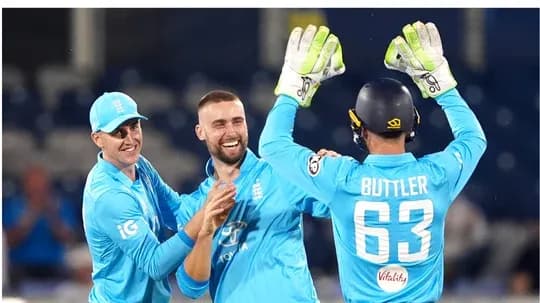
“I’ve spoken to Robbo quite a bit about it,” Tongue said after taking four wickets, with the other six shared between Robinson and Jofra Archer. “Obviously he’s unbelievable at that and he’s showed that throughout the series. So I’ve been speaking to him quite a bit during the last couple of Tests and I tried a couple of things in training the other day. That was the first time I’d bowled it in the game and it got me a wicket, so I’ll be using it again. I want to get more skills under my belt.”
This is what separates this England seam group at the moment: not just pace and accuracy, but collective curiosity. They are learning from each other, tinkering, adding layers. Tongue’s new ball jagged just enough off the surface to expose Pakistan’s uncertain footwork on a pitch that offered movement all day.
The reward was ruthless. Edgbaston, cloudy and carrying a hint of moisture after England lost the toss, became a minefield for batters who never looked at ease.
“That first hour tomorrow is going to be crucial”
For all England’s control, there was no complacency in Tongue’s assessment of what comes next.
England’s top order had done enough to move past Pakistan’s total, with Emilio Gay and Harry Brook making half-centuries, Brook still unbeaten. Yet at 156 for four on a surface where the ball has rarely gone soft, the home side know the game can still twist.
“That first hour tomorrow morning is going to be very crucial,” Tongue said. “We’ve just got to get through that first bit.”
It was a reminder that this match, like the series, has been driven by bowlers. Every session feels like a fresh examination rather than a platform for batting records.
Pakistan’s batting malaise deepens
For Pakistan, the pattern is becoming painful. Five innings, five totals under 200. Another day when promise dissolved into soft dismissals and technical frailties against lateral movement.
Saud Shakeel, who top-scored with a fighting 43, did not hide from the reality.
“Early on, when we lost the toss, the pitch had some moisture in it and the overcast conditions helped their bowlers as well,” he said. “We got some soft dismissals and we couldn’t come back from that. But we started well with our bowling and if we can get them out quickly there’s a good chance we can get back in the game.”
The numbers underline his frustration. Pakistan’s batters have yet to post a platform that tests England’s own top order. Here, again, they fell in clusters, caught between playing for swing and guarding against seam, never quite sure which ball would straighten and which would leave them.
“We’re working hard, it’s not like we aren’t trying,” Shakeel added. “There’s a lot of lateral movement and we’re not used to facing that, but we are trying our best. I’m not saying our batting group has not struggled, we have accepted that. But the conditions have been difficult. Bowlers have been on top.”
Honest words, and accurate. Pakistan’s technique, honed on flatter pitches with less deviation, has repeatedly been exposed by England’s relentless probing on surfaces that keep the seamers interested all day.
Razaullah’s raw pace offers Pakistan hope
Amid the gloom, one bright, unmistakable spark: Razaullah.
Just 21, playing only his ninth first-class game, he charged in with genuine menace and gave Pakistan a glimpse of a future spearhead. His raw pace and awkward action unsettled England’s batters and brought him the wickets of Emilio Gay and Joe Root – two prize scalps on a debut of this magnitude.
“I’ve just faced him one time in a domestic first-class game, so I haven’t seen him that much,” Shakeel said. “But he has some raw pace and a difficult action and we’re hoping he will continue bowling like this. With express fast bowlers, even if they haven’t played a lot of first-class cricket, it doesn’t matter. Their raw talent and pace is useful, which we saw from him today.”
On a day when Pakistan’s batting faltered again, Razaullah’s spell cut through the noise. He hurried Root, he pinned Gay, he made England’s batters think twice about hanging back. For a touring side searching for positives, this was more than a consolation; it was a genuine building block.
Balance on the scoreboard, edge with England
So the game rests in that uneasy space between scoreboard logic and dressing-room belief. England, 23 ahead with six wickets in hand, hold the advantage. They have not been bowled out for less than 200 once in this series. Pakistan have not yet reached it.
Yet the pitch is still alive, the ball still talks, and both attacks have enough in them to flip a session.
If Tongue and his fellow quicks continue to sharpen new skills while Pakistan’s young tearaway Razaullah grows into the contest, the next twist may come quickly. The question is simple: can Pakistan’s batters finally stand firm long enough to let their own bowlers drag this match – and their tour – back from the brink?