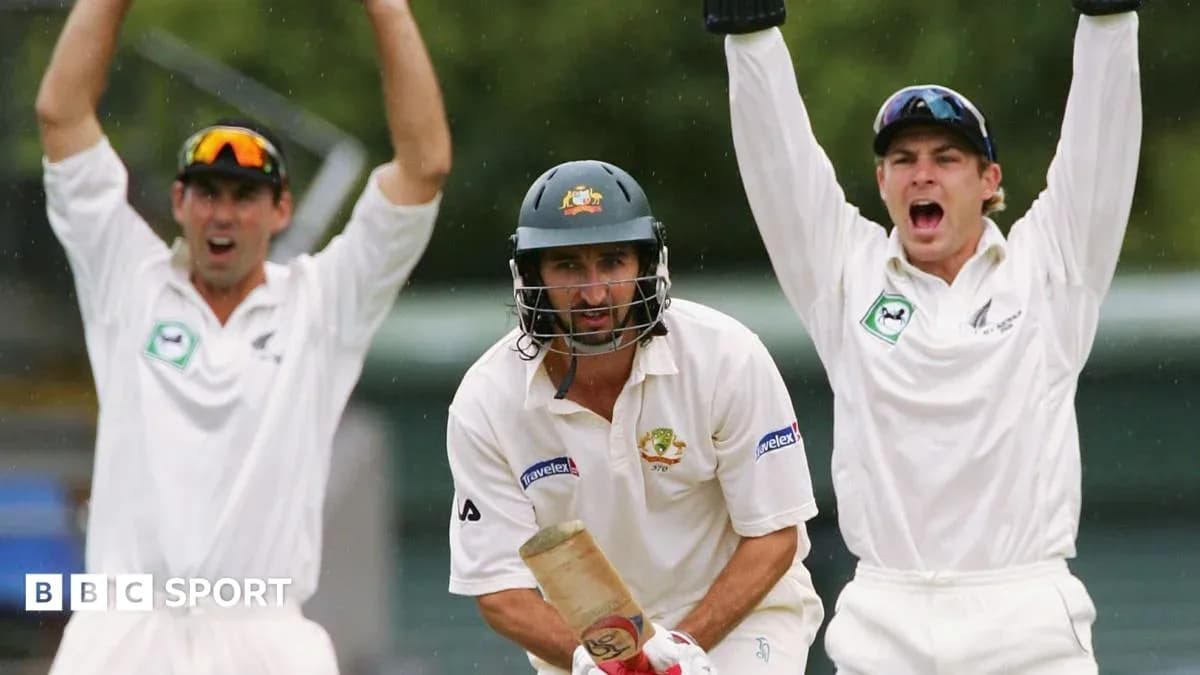
Stephen Fleming walked into his first media briefing as England’s new Test coach with a line that will play well in these parts.
“I have an obsession with it as well,” he said of the Ashes. “We want to beat the Aussies.”
No soft landing. No gentle reframing of priorities. The Ashes still burn brightest, and the man from across the Tasman is happy to lean into it.
A New Zealander, Same Old Target
Fleming knows this rivalry from the outside and the inside. Like Brendon McCullum before him, he arrives from New Zealand, the “little cousin” to Australia, as he called it. A country that has lived in Australia’s shadow and spent decades trying to step out of it.
“We have a deep desire to beat Australia in everything, as the little cousin,” he said. “We are linked, and I’m incredibly excited about being part of it.”
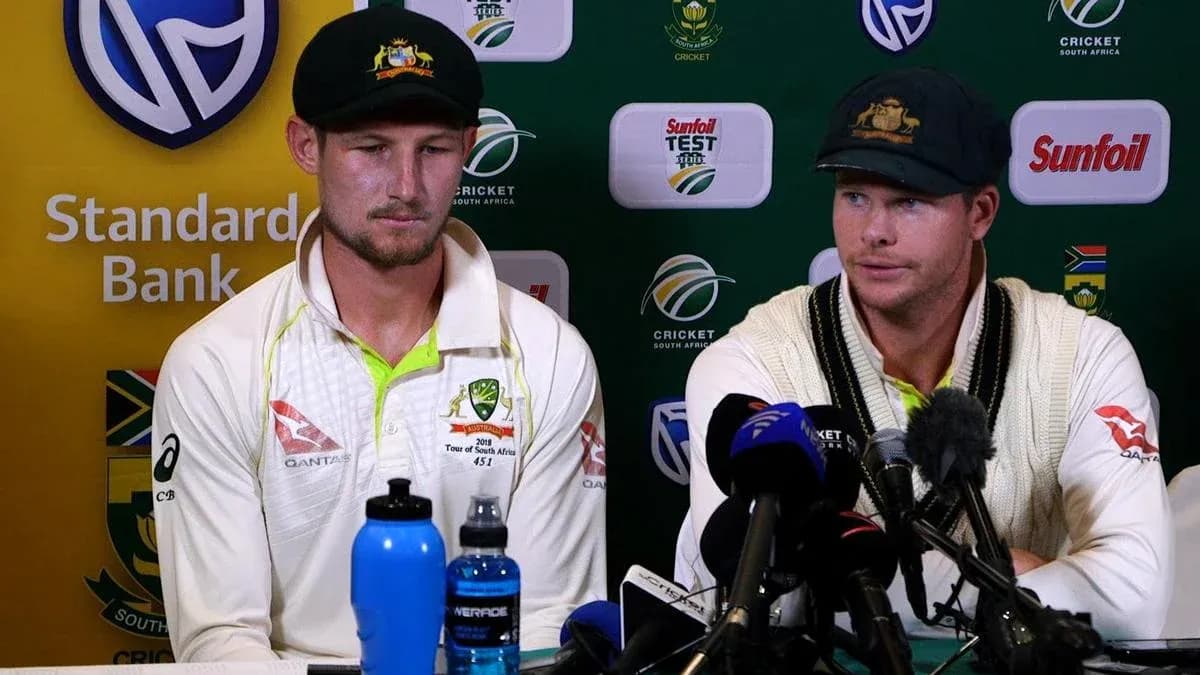
He never managed it as a player. Fourteen Tests against Australia, no wins. That scar tissue shapes him. Next summer’s Ashes in the UK offer England a shot at their first series victory over Australia since 2015, and a chance to respond to last winter’s 4-1 hammering down under. Fleming has walked straight into that storyline and embraced it.
“You don’t think you’re ever going to get that opportunity,” he admitted. “To have that opportunity and be part of it, I can’t wait.”
From McCullum’s Freewheeling to Fleming’s Percentages
If McCullum’s reign was about daring, Fleming’s early words point towards detail.
He inherits a side that won only two of McCullum’s last 10 Tests, a tenure that ended with questions over tactics, adaptability and discipline. The Bazball bravado occasionally drifted into recklessness. England were accused of playing one way, regardless of conditions, situation or consequence.
Fleming, a long-time friend and business partner of McCullum, framed their difference with a gambler’s metaphor.
“I’ll bet on the favourite and he’ll bet on the longest odds possible,” he said.
It was a revealing line. Under McCullum and Ben Stokes, England often chased the long shot: outrageous declarations, high-risk fields, relentless aggression. Fleming sounds like a man who will still take a punt, but only when the numbers stack up.
On the idea of a Test “brand” or fixed style, he was clear.
“I don’t think so,” he said. “The greatest thing for a team to do is to be able to play conditions and situations.
“I’d love people to say we are well-planned, there’s a discipline and a really strong basic structure to what we’re doing, but there’s also a bit of flair.”
The word that kept surfacing was structure. Not as a straitjacket, but as a base. Play the percentages, then add the sparkle.
Standards, Not Just Stats
The chaos of the last year has not been confined to the field. Late-night drinking controversies bled across the final months of McCullum’s tenure and beyond. The culture around the team has been under scrutiny.
On Friday, Derbyshire Police confirmed they had closed an investigation into England fast bowler Brydon Carse after allegations of an assault last month. Carse faces no police action but now comes under the gaze of the Cricket Regulator. He is still eligible for selection, though he has not featured in any squad since the incident.
Fleming did not duck the wider issue.
“There are standards,” he said. “We pick on runs and wickets primarily, but I think it’s foolish not to also say there are standards that need to be set.
“You need to behave in accordance with your position. We’re in a very privileged position, and it’s understanding that privilege and what goes along with it. It can’t be convenient.”
The key line came next.
“You’ve got to live it every day. If we can create something when you want to live it every day and better, then that’s really powerful.”
For some players, that will sound like a warning as much as a philosophy.
Calm Authority, With a Wink
Almost two months after his appointment in July, this was England’s first real glimpse of what Fleming’s regime might look like. The tone was calm, measured, authoritative. Exactly what a dressing room buffeted by noise and drama might need.
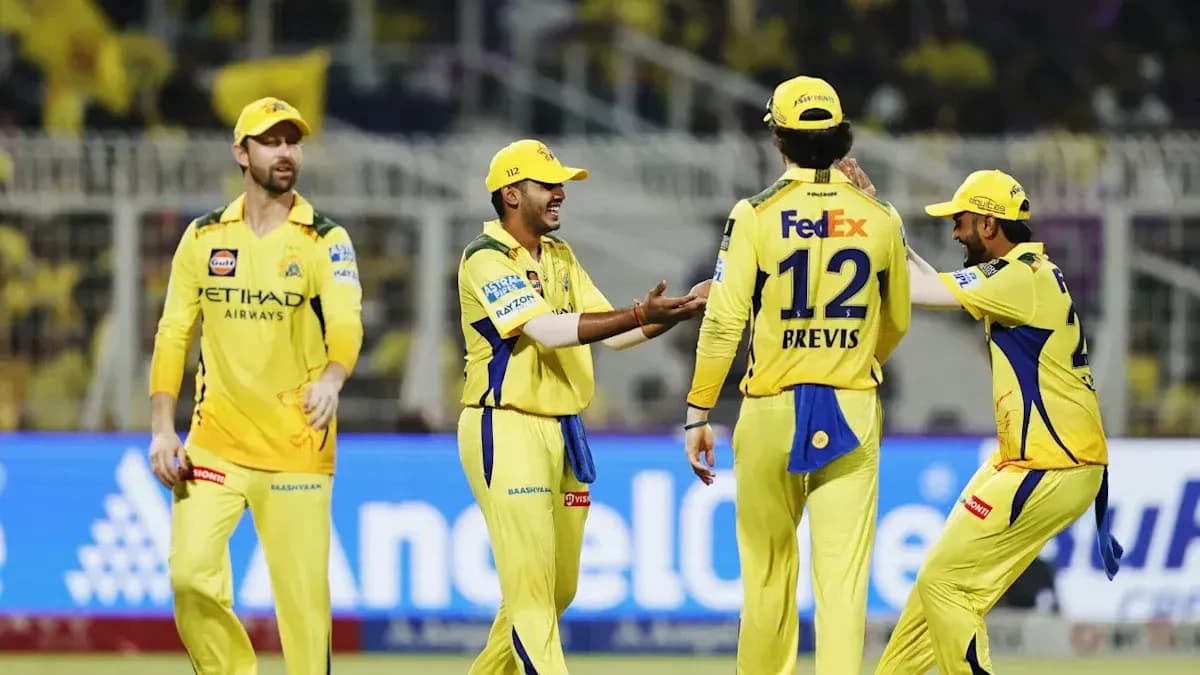
There was room for humour. He joked that he has a “stress fracture of the left ear” from the volume of calls with people linked to the England set-up. He laughed about occasionally arriving in fancy dress at Chennai Super Kings to lighten the mood.
Asked about the prospect of “Flemball”, he dismissed it as “a medical condition”. No slogans. No branding exercise. Just cricket.
Behind the jokes, there was a sense of a coach who wants to lower the temperature without dulling the edge.
The dynamic with McCullum will be crucial. The pair are close, and that relationship should help England navigate a split-coaching model that has misfired in the past. “Big brother” was one description of their partnership, and it fits: Fleming as the older, steadier hand, McCullum the maverick white-ball boss.
For a team that has sometimes felt like it was permanently in party mode, Fleming looks more like the grown-up walking into the room.
No Twist on Stokes
One of the most obvious questions was about Ben Stokes. The former Test captain walked away from international cricket in July and has a long-standing bond with Fleming from their time together at Chennai Super Kings in the IPL.
If anyone might coax Stokes back, it would be Fleming. He is not even going to try.
“He was in a great space, really happy, enjoying his time with Durham,” Fleming said. “He’s got a good winter planned with the family and is very much at peace with his decision.
“When a player makes that decision to retire, I respect that decision 100%. To try to turn that around and question that is wrong. I know how much goes into that type of decision, and I respect that.”
That respect cuts both ways. Stokes knows Fleming well enough to understand that when he talks about standards and structure, he means it.
Building Towards South Africa and Beyond
Fleming has already been visible. He watched England beat Sri Lanka in the third T20 at Old Trafford on Saturday. Earlier in the week, he toured several counties and met Stokes during Durham’s draw with Worcestershire.
He explained that he missed the recent Pakistan series because of family and commercial commitments, but the work has begun. The first true examination of his methods arrives in December, when England head to South Africa.
He also made a point of underlining the importance of the World Test Championship, a competition England have often treated as background noise. Under Fleming, that changes. Respect for the format, respect for the table, respect for the grind of Test cricket.
The vision he outlined was simple and ambitious.
“I want to be my best self and have a team that represents itself in the best possible way,” he said. “I’ve got a vision of that and it’s aspirational. It will be brilliant.”
On this early evidence, England under Fleming will be less chaotic, more mature, more methodical. Perhaps less wild, less storybook at times.
If the Ashes urn comes back and the wins start to stack up, nobody in English cricket will complain about that trade.