The knives are out in Pakistan cricket, and this time they’re coming from inside the system.
In the wake of the Pakistan Cricket Board’s dramatic clear-out of players and coaches during a bruising Test tour of England, Multan Sultans CEO Gohar Shah has delivered one of the most uncompromising public assessments of the national setup in recent memory.
Seven players released. Two coaches removed. And a scathing verdict from a man who insists he was a fan long before he became a stakeholder.
PCB’s mid-series shake-up
The PCB’s decision landed like a thunderclap before the third Test at Edgbaston, starting September 9. With Pakistan already battered — an innings-and-103-run defeat in the first Test, followed by a 194-run loss at Lord’s — the board chose surgery over sticking plaster.
Mohammad Rizwan, Imam-ul-Haq, Salman Ali Agha, Ali Usman, Aamer Jamal, Awais Zafar and Khurram Shahzad were all released from the Test squad ahead of the final match of the series.
The shake-up did not stop at the dressing room door.
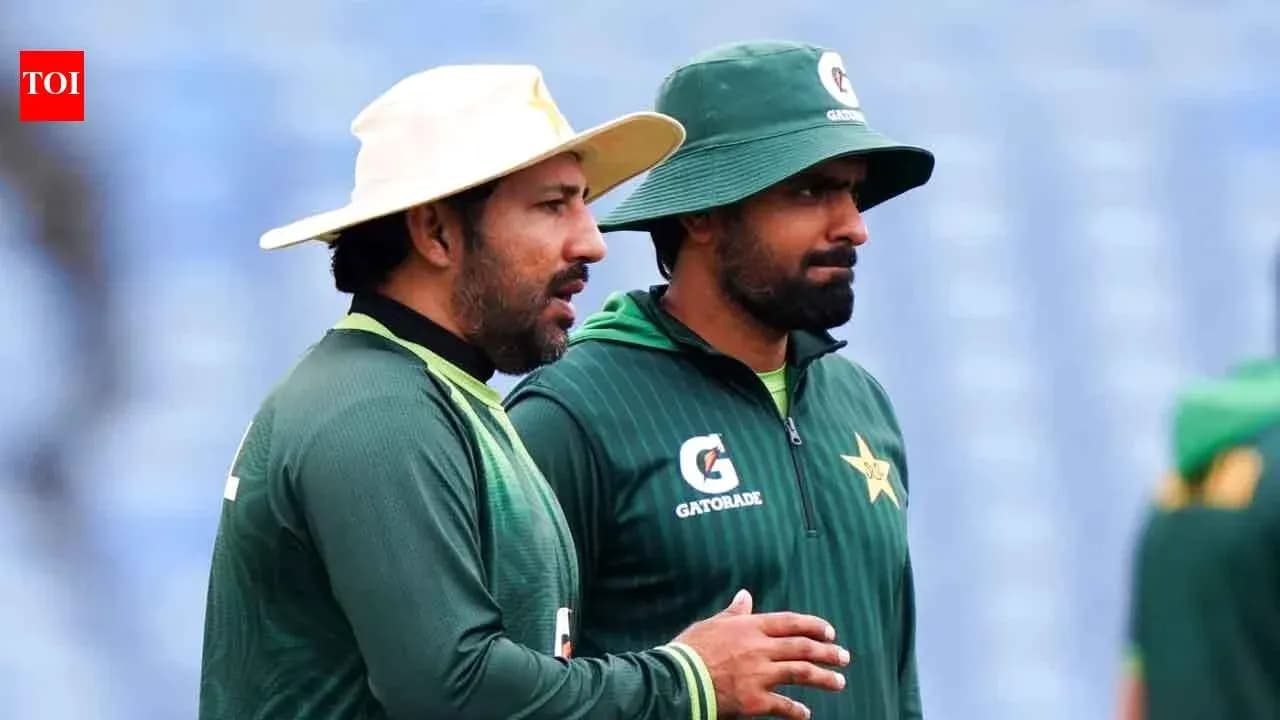
Former captain Sarfaraz Ahmed was removed as head coach, while Umar Gul was relieved of his duties as bowling coach. In their place, white-ball head coach Mike Hesson and bowling coach Ashley Noffke were drafted in to oversee the remainder of the England tour.
It was a ruthless response to a tour that had spiralled quickly. But it also opened the door for uncomfortable questions.
Gohar Shah: “This may land me in hot water…”
Shah, 31, who played two first-class matches before moving into administration, chose X as his platform and did not bother with soft landings.
“This may land me in hot water but I owe an honest assessment to Pakistan cricket. I was a fan before I was a stakeholder,” he wrote, before laying out “things I’ve observed from my playing days + actively being involved with the PSL, dressing room and PCB leadership.”
What followed was not a gentle critique. It was a charge sheet.
He took aim first at professionalism within the playing group — or, in his view, the lack of it. Diet, workload, attitude: nothing escaped scrutiny.
“Late nights and junk food are common,” he noted, while acknowledging the grind of being “stuck for 6 weeks” living on hotel food. That sympathy ended quickly. For Shah, the word “professional” has to mean something.
Then he went after effort levels in the longest format.
“No one wants to do the tough yards. It’s a mentality thing,” he wrote, highlighting moments in the current series. “Like for instance a few times in the test match after a long spell the pace bowlers didn’t run after the ball. What are you saving your legs for? The test match ended in 2.5 days…”
In a team already under fire for its performances, this was a stinging accusation: not just technical flaws, but a mindset problem.
“Job first, Pakistan later”
Shah did not stop with the players. He widened the lens to include journalists, ex-players and the PCB itself, painting a picture of a cricket ecosystem weighed down by agendas, fear and inertia.
On the media, he accused some journalists of building narratives based on personal preference and access.
“Journalists all pushing their own agendas, And they build narratives on who they like / who caters for them more I.e these things may or may not be leaks , gifts, favours,” he wrote.
Former players, too, came under fire — not for speaking, but for where they choose to speak from.
“Barring a few who actually worked and got their coaching badges and qualifications most find it more comfortable to go on tv and just iterate the problems,” Shah said. In his view, too many are content to diagnose from the studio rather than step into the grind of coaching. “No one presents the solutions nor goes out there and gets the experience / qualifications to contribute.”
Then came his most piercing line on the board itself.
“The board is too bureaucratic. Everyone fears to speak their mind because they worry about backlash and their jobs.”
That, in a single sentence, captured his theme: “Job first, Pakistan later.” He described people who “genuinely wanted to help” but, after watching their efforts “go no where,” eventually “stop trying and just settle for their paycheck.”
It was a bleak portrait of a system where self-preservation beats ambition.
PSL model under the microscope
Shah also turned his attention to the Pakistan Super League, a tournament often hailed as one of the PCB’s major success stories. He argued that even there, the structure works against long-term investment.
“10 year lease, you grow the brand, only to give it back to the PCB. So why would you grow if you see none of the benefit? Only the bills,” he wrote, questioning the incentive for franchise owners to pour serious resources into development.
He was equally unimpressed with retention rules and category changes, claiming that franchises “invest in players and talent hunts only to lose them due to retention rules and category changes that are agenda driven.”
For a league that prides itself on unearthing and polishing talent, this was a warning: the very mechanisms meant to keep things competitive may be driving away those willing to invest.
A harsh diagnosis, a hopeful sign-off
For all the bluntness, Shah’s post did not read like someone washing his hands of the mess. It sounded like someone frustrated, angry even, but still emotionally tied to the cause.
“Pakistan cricket will always be in my heart,” he concluded. “Pray for us to go back to being the best. Not just good or competitive, but the best.”
The PCB’s overhaul in England has already shifted the conversation from selection to identity, from personnel to culture. Shah’s words only sharpened that debate.
The question now is whether anyone inside Pakistan cricket is willing to match his honesty with action.