Lord’s has seen its share of drama. This time, it came not only from the middle, but from the commentary around it.
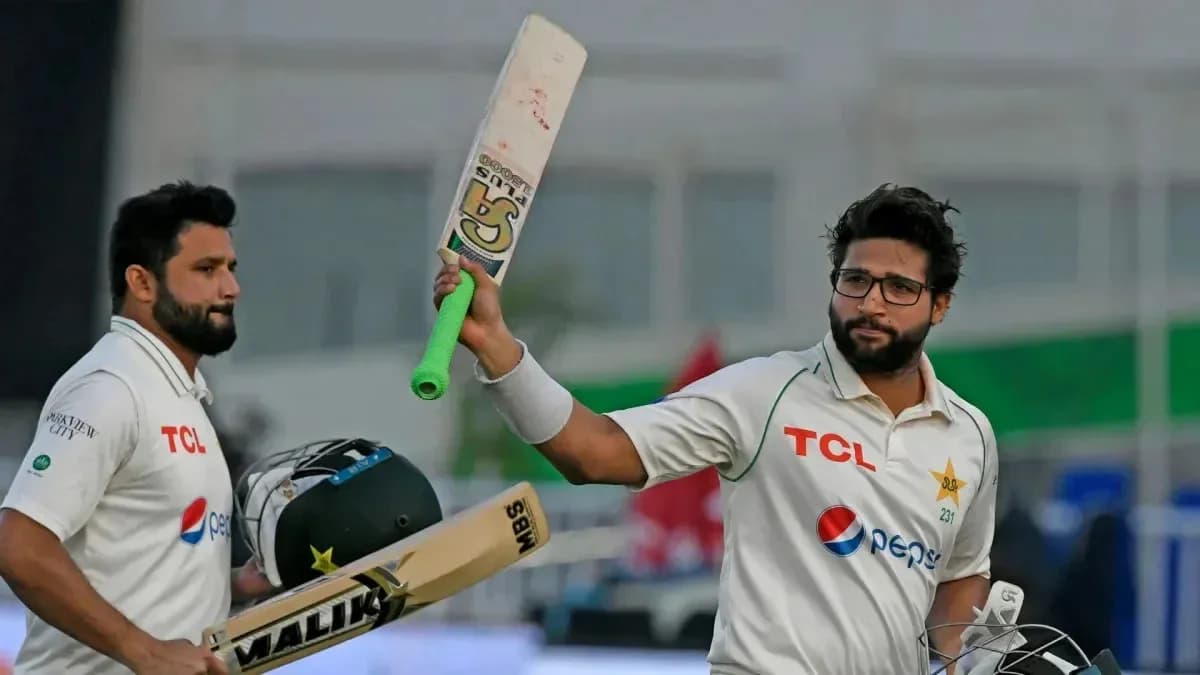
As Pakistan’s batting crumbled in the second Test against England, former chief selector Mohammad Wasim lit a fuse off the field, accusing opener Imam-ul-Haq of “faking” injuries – even as the Pakistan Cricket Board confirmed a calf strain through scans.
The timing could hardly be more volatile.
Scan-confirmed strain, and a missing opener
Imam’s latest setback arrived on the opening day at Lord’s. Fielding in the deep, he pulled up with pain in his left calf and left the field during Thursday’s evening session. Soon after, the PCB released a medical update.
“Scans later confirmed a low-grade calf strain and Imam is currently receiving treatment under the supervision of the Pakistan medical team,” the statement read. “His participation in the remainder of the Test depends on treatment leading to recovery.”
Those words should have closed the matter, at least medically. Instead, they opened the door to a public accusation.
Wasim, speaking about the opener’s fitness history, claimed this wasn’t the first time Imam had used injury as a way out.
“In 2022 Multan test, the physio warned me in advance that he is going to fake an injury soon. And he did that,” Wasim said, alleging a pattern of behaviour rather than an isolated incident.
No documents, no corroboration, just his recollection of a private warning and what he believes followed.
Pakistan’s top order stripped, England ruthless
On the field, Pakistan could scarcely afford to lose an experienced opener. Imam had partnered young Azan Awais at the top in the series opener at Leeds, a match Pakistan lost by an innings inside three days. Already under pressure, they arrived at Lord’s needing solidity and resolve.
They got neither.
With Imam sidelined, Pakistan’s first innings disintegrated for 110. England, bowled out earlier for 290, suddenly found themselves 180 runs ahead and in complete control of the Test.
Ollie Robinson was relentless. He strangled Pakistan’s innings with 4 for 11 from 13 overs, six of them maidens. Jofra Archer pounded away at the other end, taking 3 for 26 from 11.2 overs. Josh Tongue chipped in with two wickets. Only Gus Atkinson went wicketless, but by then the damage was done.
Pakistan lasted just 37.2 overs.
By the close of the second day, England had stretched the lead to 261, reaching 81 for 3 before bad light cut things short. The scoreboard told a brutal story: one side ruthless, the other brittle.
In that context, the absence of a senior opener loomed even larger.
Serious charge, thin evidence
Wasim’s allegation slices straight into the heart of a player’s professional reputation. To accuse a current international of faking injuries is not a throwaway remark; it questions his commitment, his courage, his very place in the dressing room.
And it comes at a moment when medical staff have already confirmed a low-grade strain through scans.
That clash – between a formal medical report and an ex-selector’s memory of a conversation from 2022 – is what makes this episode so incendiary. There is no supporting evidence on the table, no independent testimony, no formal inquiry. Just a claim, aired mid-series, while the player is under treatment.
The effect is twofold. It drags Imam’s name into a public dispute and, at the same time, chips away at the credibility of Pakistan’s medical and management structures. If a physio really believed a player was preparing to fake an injury, why was that not handled through official channels at the time? If there is a pattern, why is it emerging now, in an interview, instead of in a report?
Those questions hang over the allegation, unanswered.
Distraction from deeper problems
What cannot be disputed is Pakistan’s on-field reality. The batting is fragile. Technique under English conditions looks exposed. Team management appears unsettled. A 110 all out at Lord’s, after an innings defeat at Leeds, points to structural issues that go far beyond one player’s fitness.
That is the real crisis.
Dragging unproven personal accusations into the spotlight risks turning attention away from those fundamental flaws. It shifts the narrative from selection, preparation and tactical clarity to whispers about who might or might not be “faking it.”
If Wasim genuinely has evidence of misconduct, it belongs in a formal review, not in a passing media broadside. If he does not, the cost of this kind of public shot is obvious: a player’s reputation is bruised, trust within the setup is strained, and the focus drifts from the technical and mental rebuild Pakistan so clearly need.
As England tighten their grip on the series and Pakistan search for answers, one question now lingers over the touring camp: will they confront the hard truths about their cricket, or let the noise around one injured opener drown them out?