The north’s Ashes exile in 2027 can be traced back to one decision: switching a Test from Southampton to Headingley for Australia’s 2023 tour.
That call, made years earlier under a different regime, has reshaped the map of one of cricket’s great rivalries.
A switch with lasting consequences
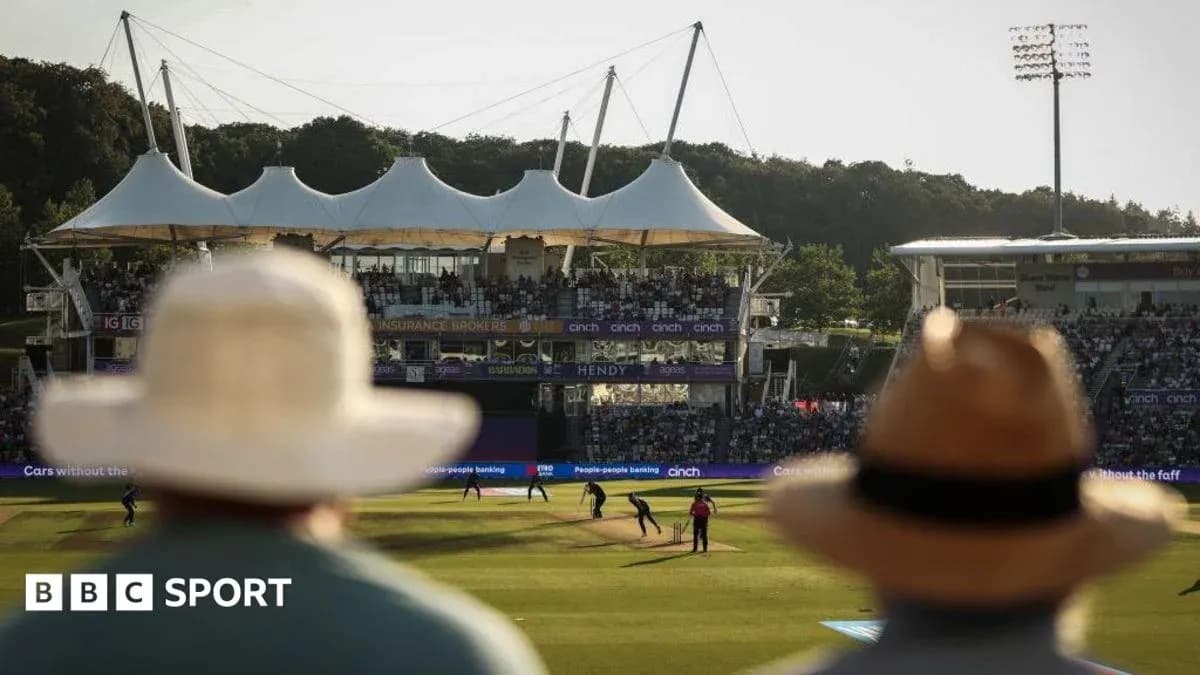
Hampshire’s Ageas Bowl in Southampton was originally due to host Australia in 2023. Instead, the match went to Headingley, a ground steeped in Ashes drama and a venue that had already staged men’s Ashes Tests in both of the previous two home series.
The change did not come cheap. Hampshire received more than £1m in compensation from the England and Wales Cricket Board (ECB), and, crucially, were later guaranteed an Ashes Test in 2027. That promise now leaves Old Trafford and Headingley on the outside looking in when the urn is contested in England again.
Next year, Southampton will finally stage its first men’s Ashes Test, while Manchester and Leeds sit out entirely. The most northerly men’s Ashes fixture will be at Trent Bridge in Nottingham. For fans in the traditional northern strongholds, that is a jarring shift.
Neither Hampshire nor the ECB has commented publicly, but the chain of events is clear enough. The Headingley switch in 2023 created a debt. The 2027 allocation pays it off.
Graves, Headingley and the old system
The venues for the 2023 Ashes were set as far back as 2018, during Colin Graves’ spell as ECB chair. Graves, now back as Yorkshire chair and previously in charge at Headingley, inevitably finds his name pulled into the debate.
He insists he had no hand in steering matches towards his old county. Speaking to the Guardian, Graves said he always left the room when the board discussed recommendations and that he was “not involved” in the allocation.
The process itself belongs to a different era. The ECB then operated a ‘competitive tender’ model, effectively asking grounds to bid for marquee fixtures. Money talked. Venues stretched finances to secure the Ashes and other showpiece games, gambling on ticket sales, corporate boxes and TV gloss.
That model is now gone.
Rotation replaces the bidding war
The governing body has since ripped up the tender system and moved to a rotation model it believes delivers a fairer spread of major matches. The 18 first-class counties and Marylebone Cricket Club backed the change, and the new framework has been used to set venues up to 2031.
Under that plan, Southampton is locked in for a men’s Test in every other Ashes series. From 2031 onwards, the ECB says there will be at least one men’s Ashes Test in the north of England each time Australia visit.
For 2027, though, the legacy of the old system and the compensation deal with Hampshire collide with the desire for geographical balance. Old Trafford and Headingley, both regular Ashes hosts in recent years, pay the price.
A northern gap, a different kind of Ashes
The absence of a men’s Ashes Test in the north in 2027 will sting supporters in Manchester, Leeds and beyond, who are used to seeing Australia tested in front of some of English cricket’s most partisan crowds.
There will still be Ashes cricket at Headingley next year, but in a different guise. The Leeds ground will host the sole women’s Ashes Test, a significant stage in its own right and a reflection of the women’s game’s growing profile.
Yet when the men’s urn goes on the line again in England after 2025, the northern terraces will be silent. The Ageas Bowl will finally get its long-promised Ashes debut, a reward born from a deal struck years earlier.
One decision, one switch, and an entire region sits out the biggest series of all.