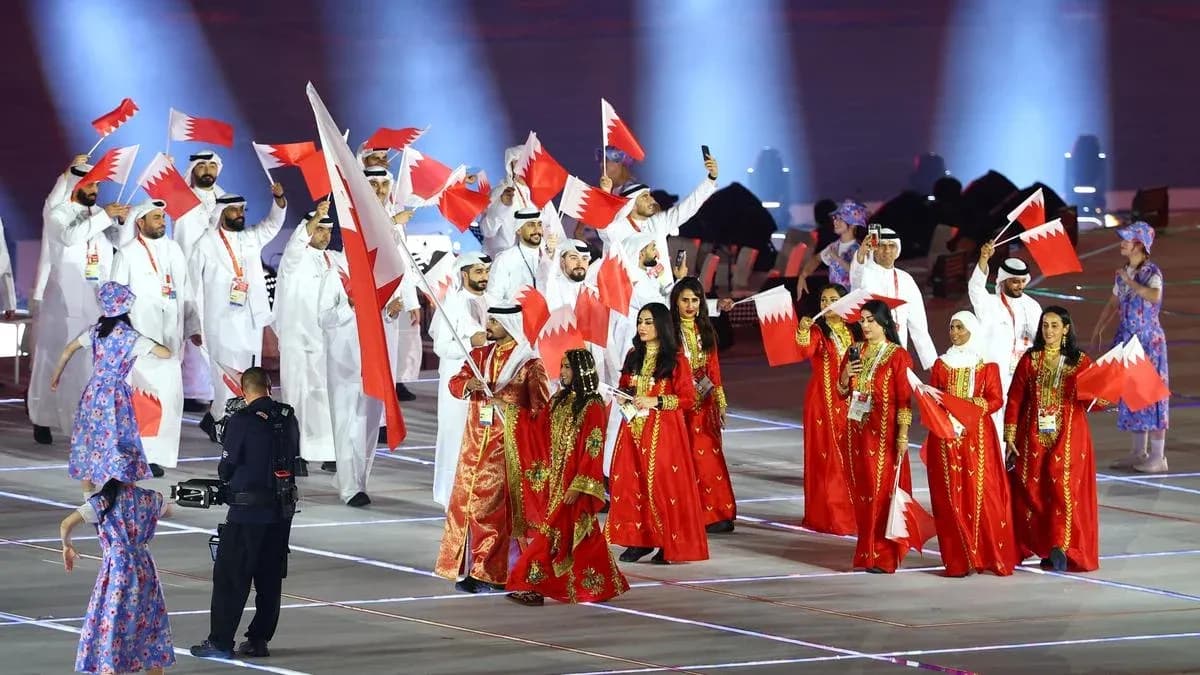
The rain held off, the lights came on, and Asia’s sprawling sporting caravan finally rolled into focus at the Paloma Mizuho Stadium in Nagoya. After months of grumbling over huts, cruise ships and cramped rooms, the 20th Asian Games opened on Saturday night with colour, noise and a quiet edge of defiance.
Japan chose frugality over spectacle in concrete. No grand athletes’ village this time. Instead, more than 17,000 participants are scattered across Nagoya and Aichi prefecture – some in hotels, some in wooden huts, about 4,000 on the cruise liner Costa Serena docked in the port. It has not gone down smoothly with every delegation.
Yet inside the stadium, the mood cut away from the complaints.
The Japanese national anthem rose into the cool evening air as the host’s flag climbed the mast. Dancers swept across the floor in tightly drilled formations. Musician Taro Hakase’s violin soared over the stadium, while Japanese boy band INI drew roars from the stands with a polished pop set that felt more arena concert than protocol.
This is a Games built on compromise. It did not look like one during the show.
India arrive leaner, but with heavy expectations
India’s contingent marched in with a smaller but sharper edge. From more than 650 athletes in 40 disciplines at Hangzhou three years ago, the number has dropped to just under 500 after a deliberate rationalisation by Indian sports authorities. The message is clear: no more joyrides for the perks; every slot must carry medal potential.
The target, though, remains sky-high. After a record 106 medals and a fourth-place finish behind China, Japan and South Korea at the previous Asiad, officials still talk of touching the 100 mark again. Fewer athletes, similar ambitions. The athlete-to-medal ratio will come under as much scrutiny as the podium count.
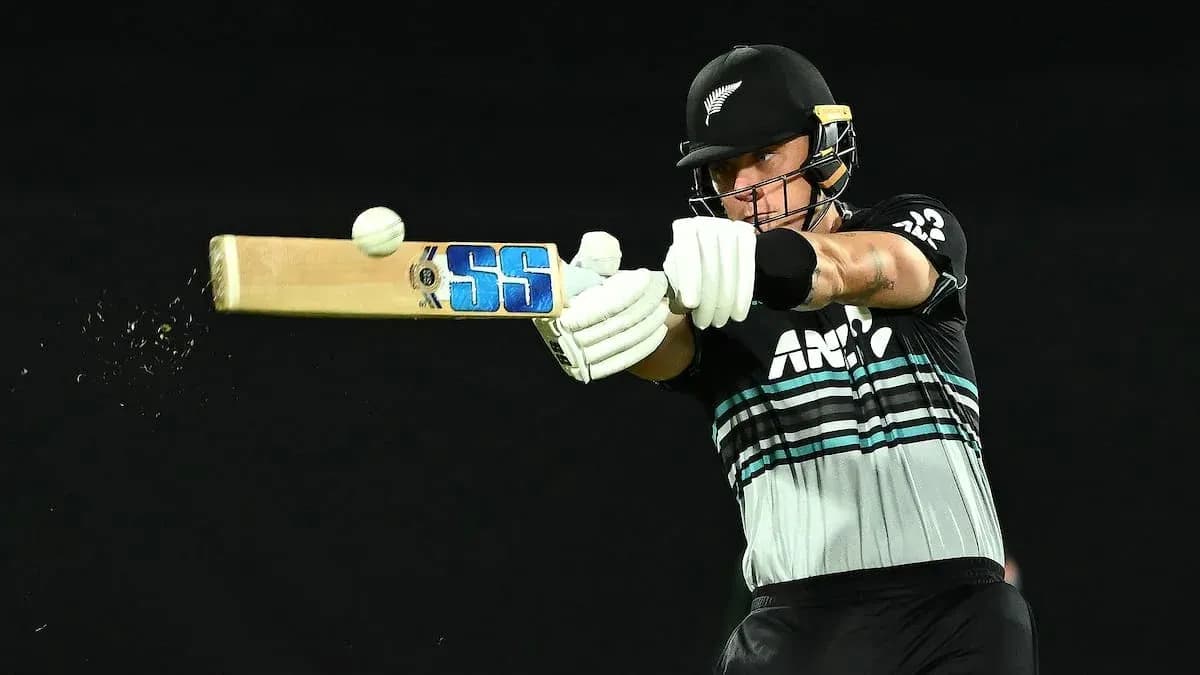
India are defending both the men’s and women’s titles in cricket and kabaddi. The men’s hockey team also arrive as reigning champions, carrying the weight of both history and expectation in a sport that still tugs at the country’s sporting soul.
Flag-bearer switch, kit issues and a restless build-up
Even before the cauldron was lit, India’s campaign carried the scars of an untidy build-up.
Seasoned kabaddi raider Pawan Sehrawat walked out as India’s flag-bearer at the opening ceremony, a late replacement for shot-putter Tajinderpal Singh Toor. The reason was as mundane as it was telling: Toor did not have his ceremonial kit in his luggage, ruling him out of the parade.
On another front, members of the men’s cricket team waited for properly fitting kits on the eve of their departure. The jersey sizing issue forced the BCCI to step in and make independent arrangements, an avoidable distraction for a side expected to defend gold.
Accommodation has been a running sore. Some Indian athletes have already been moved from huts into hotels, with officials bracing for the crunch as more competitors and support staff land in the coming days.
“We have booked hotels for our athletes here,” India’s chef de mission and IOA treasurer Sahdev Yadav said. “But if the hotel rooms fall short then yes, we have Indian households here on standby to accommodate the athletes. They are all more than happy to welcome the stars at their homes.”
It is an extraordinary backup plan for a continental Games – a national team cushioned by its diaspora.
Focus over complaints: Manu Bhaker’s call
Against that backdrop of organisational missteps and social-media outrage, one of India’s biggest shooting names tried to drag the narrative back to sport.
Manu Bhaker, also one of India’s flag-bearers, urged teammates to park the anger and lean into the opportunity.
“To all my fellow athletes from India, we will have some issues,” she said in a video message posted by the IOA. She acknowledged the problems doing the rounds online – mismanagement, cramped lodging, long travel times to training venues – but pushed for a different response.
“Regardless of whatever the issues we have, this is probably once in a lifetime opportunity and experience. We have to make sure that we enjoy the time rather than complaining.”
In a Games where accommodation and logistics have threatened to overshadow competition, Bhaker’s words cut through as a reminder of why they are all here.
Japan’s gamble: huts, a cruise ship, and a new model?
The Olympic Council of Asia has not ducked the criticism. Some teams have complained openly about the quality of the shipping container-style huts and the sheer spread of venues and beds.
Yet OCA director general Husain Al-Musallam offered strong backing to the hosts, arguing that Japan’s low-cost model – huts, hotels, a cruise ship instead of a bespoke village – could be a blueprint for future major events that do not want to drown in debt.
With 469 gold medals to be decided across more than 40 sports, the scale of the Games remains enormous. The first champion is expected to be crowned on Sunday morning in the men’s individual triathlon. The medals will keep coming until the curtain falls on October 4.
New sports, new frontiers
On the field of play, Nagoya is trying to look forward. Six sports make their Asian Games debut, a nod to changing tastes and the digital age.
Teqball, a blend of football and table tennis played on a curved table, has already pushed an Indian into new territory. Quimcy Dsouza reached the women’s singles semifinal and stood within touching distance of a historic final before Indonesian player Sumaya stormed back to win a gruelling three-game battle.
Dsouza will now fight for bronze, with India poised for a first-ever Asian Games medal in teqball.
Virtual taekwondo also joins the programme, part of a slate of fresh events designed to give the Games a more dynamic, youth-focused profile.
Old warriors and open doors
For some, Nagoya is a farewell tour. For others, it is a checkpoint on the way to an even bigger stage.
Veteran shuttler H.S. Prannoy, one of the stalwarts of Indian badminton’s rise, called this Asian Games “most likely” his last. Yet he is not ready to shut the door on the Olympic dream just yet. He plans to give himself another year to judge whether his body and form can carry him into realistic contention for the 2028 Los Angeles Games.
It is a delicate balance between sentiment and hard calculation, the kind that many in this Indian contingent will confront as the cycle turns toward LA.
Stars to watch, stage to own
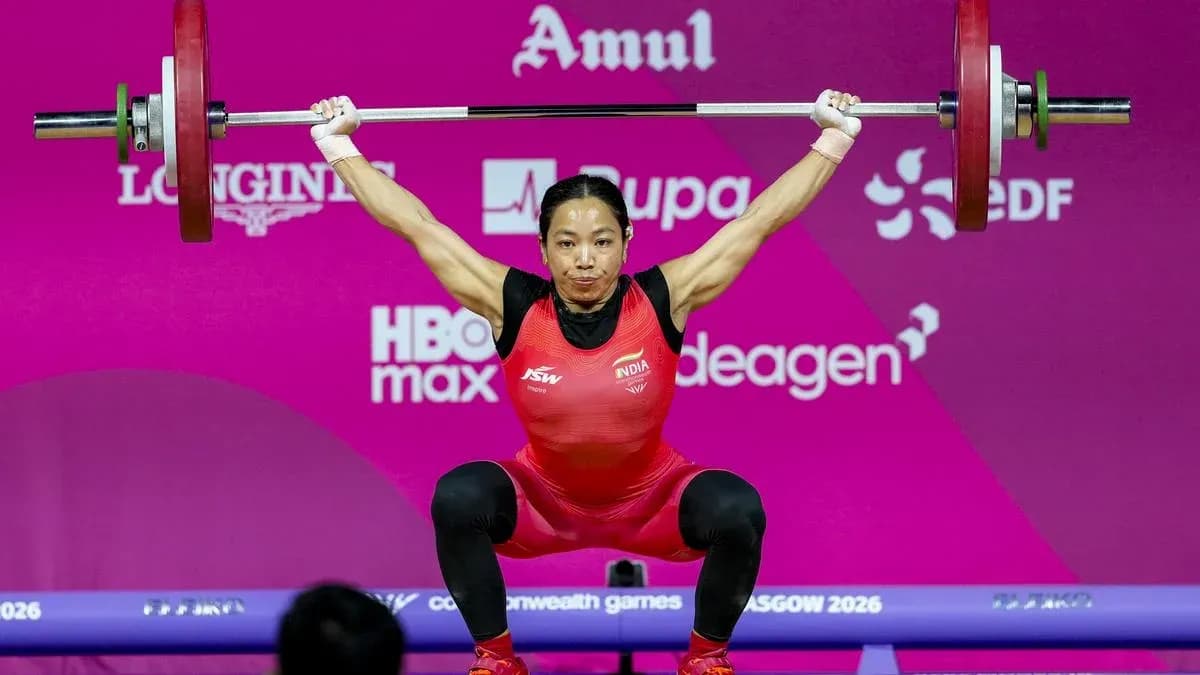
The Indian challenge stretches across familiar names and fresh faces. PV Sindhu, Mirabai Chanu and Manu Bhaker headline a cast expected to keep India in the top tier of the medal table. Around them stand dozens of athletes for whom Nagoya is the biggest stage they have ever known.
India’s ambitions are blunt. Another three-figure medal haul. Another statement that the country’s rise in Olympic sports is not a one-off spike but a trend.
The stage, though, is more complicated this time: fewer athletes, scattered housing, kit issues, last-minute changes. The Games have arrived in Japan with more participants than the Olympics, but under a budget-minded model that tests patience as much as planning.
The lights are on now. The anthem has been sung. The cruise ship cabins and wooden huts are full.
From Sunday morning, none of that will matter as much as the stopwatch, the scoreboard and the medal table. For India’s leaner, hungrier squad, the next fortnight will answer a simple question: can they turn all this noise into another defining haul?